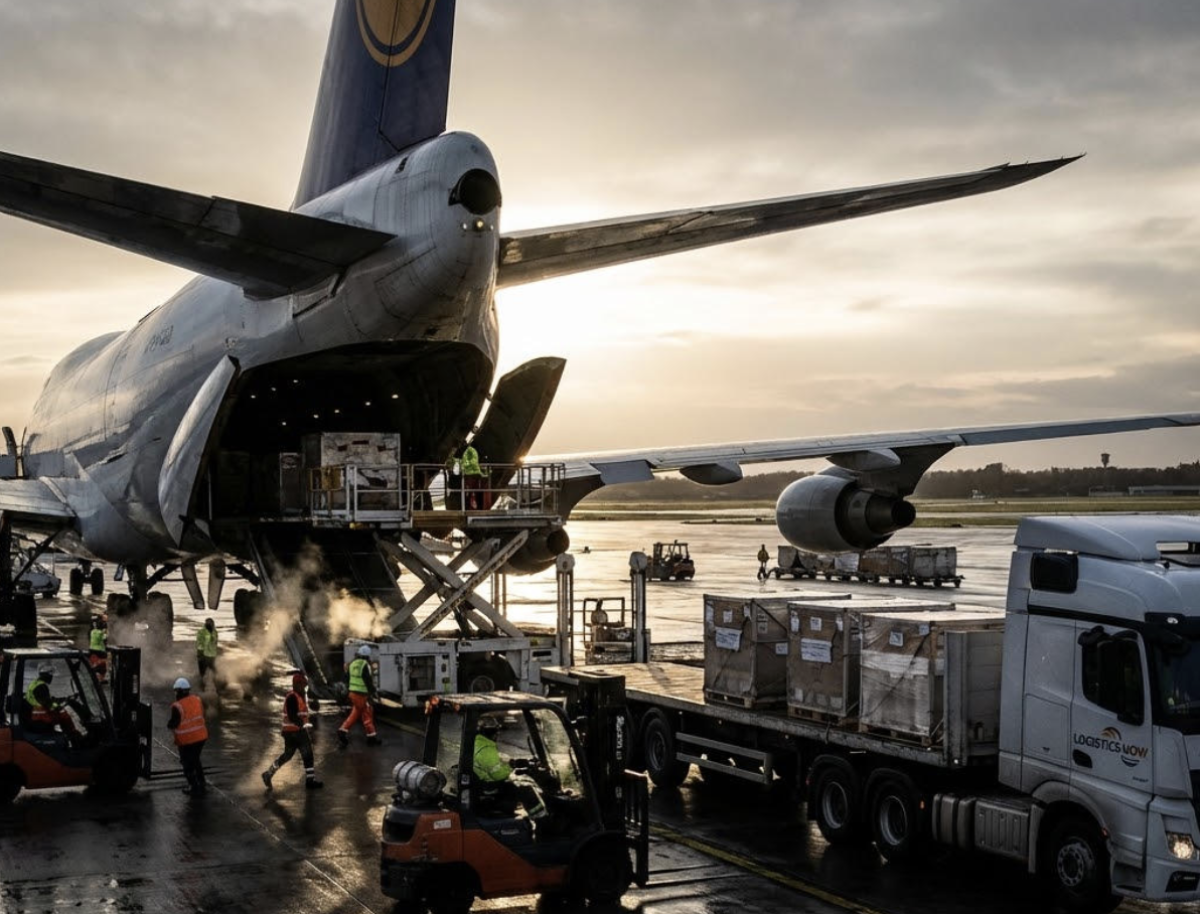
JFK Trucking Regulations Every Shipper Must Know: Permits, TSA Requirements & Bonded Carrier Rules
Compliance with JFK International Airport trucking regulations is essential for shippers seeking efficient operations. This article explains the required permits, TSA cargo screening rules, and bonded carrier obligations. Understanding these requirements reduces delays and protects shipments. Major hubs such as JFK impose strict security and compliance standards. This guide outlines essential permits, TSA obligations, bonded carrier rules, and recent regulatory updates.
What Are the Essential Permits Required for JFK Trucking Compliance?
Trucking firms operating at JFK must obtain specified federal and local permits to meet legal requirements. These permits protect operational integrity and reduce exposure to penalties. Knowing permit categories and the application process is necessary for sustained operations at the airport.
Which Trucking Permits Are Mandatory at JFK International Airport?
The mandatory permits for trucking operations at JFK include the following:
- Commercial Driver’s License (CDL): Required for all drivers operating commercial vehicles.
- Motor Carrier Permit: Necessary for companies engaged in interstate commerce.
- Hazardous Materials Endorsement: Required for transporting hazardous materials.
- Airport Access Permit: Specific to JFK, allowing access to restricted areas.
These permits confirm carriers meet safety and regulatory standards within the airport’s jurisdiction.
How to Apply for and Maintain Valid JFK Trucking Permits?
Applying for JFK trucking permits requires a defined process and supporting documentation. The process must be followed precisely to secure approvals and avoid processing delays.
- Gather Required Documentation: This includes proof of insurance, vehicle registration, and driver qualifications.
- Submit Application: Applications can be submitted online or in person at the appropriate regulatory office.
- Pay Fees: Each permit has associated fees that must be paid upon application submission.
- Renewal Process: Permits must be renewed periodically, requiring updated documentation and fees.
Maintaining current permits is necessary to prevent operational interruptions and remain compliant with JFK requirements.
How Do TSA Cargo Screening Rules Impact Trucking Operations at JFK?
The Transportation Security Administration enforces cargo screening requirements that directly affect trucking operations at JFK. These measures are intended to secure air cargo and protect passengers and infrastructure.
What Are the TSA Cargo Screening Procedures for Trucking Companies?
TSA cargo screening procedures for trucking companies include:
- Pre-screening of Cargo: All cargo must be screened before being loaded onto aircraft.
- Use of Approved Screening Methods: Companies must utilize TSA-approved screening methods, such as X-ray machines or explosive detection systems.
- Documentation Requirements: Trucking companies must maintain accurate records of all screened cargo.
Compliance with these procedures is necessary to meet TSA standards and preserve the safety of air transport.
How Can Trucking Services Ensure Compliance with TSA Screening Requirements?
To ensure compliance with TSA screening requirements, trucking services should:
- Utilize TSA-Approved Carriers: Partnering with TSA-approved carriers can streamline the screening process.
- Train Staff on Compliance: Regular training for staff on TSA regulations and screening procedures is essential.
- Maintain Accurate Documentation: Keeping detailed records of all cargo and screening processes helps in audits and inspections.
Adopting these practices helps trucking companies meet TSA obligations and improve operational efficiency.
What Are the Bonded Carrier Regulations for Trucking at JFK Airport?
Bonded carrier regulations apply to shipments that require customs clearance. Familiarity with these regulations helps shippers avoid delays and ensure compliance with customs requirements.
What Defines a Bonded Carrier and Its Licensing Requirements at JFK?
A bonded carrier holds a surety bond guaranteeing payment of duties and taxes on imported goods. Licensing requirements at JFK include:
- Obtaining a Customs Bond: This bond must be secured before operating as a bonded carrier.
- Registration with Customs and Border Protection (CBP): Carriers must register with CBP to handle bonded shipments.
- Compliance with Security Regulations: Bonded carriers must adhere to strict security protocols to protect cargo.
These requirements ensure bonded carriers operate within legal frameworks and preserve supply-chain integrity.
How to Achieve and Maintain Bonded Carrier Compliance for JFK Shipments?
To achieve and maintain compliance as a bonded carrier, trucking companies should:
- Secure a Customs Bond: Obtain a bond that meets CBP requirements.
- Regularly Update Documentation: Keep all necessary documentation current and accessible.
- Conduct Internal Audits: Regular audits of operations can help identify compliance gaps and areas for improvement.
Ongoing compliance is necessary to sustain operations and avoid regulatory penalties.
Which JFK Freight Trucking Services Align with Regulatory Compliance?
Selecting the appropriate freight trucking services ensures adherence to JFK regulations. Providers offer services matched to specific shipping requirements while meeting regulatory standards.
How Do Full Truckload and Flatbed Services Meet JFK Compliance Standards?
Full truckload and flatbed services are designed to meet JFK compliance standards by:
- Adhering to Safety Regulations: Both service types comply with safety regulations set by the TSA and other governing bodies.
- Utilizing Approved Equipment: Trucks and equipment used must meet TSA and airport standards for security and safety.
- Providing Proper Training: Drivers and staff are trained in compliance with JFK regulations, ensuring safe and efficient operations.
These service types support secure and efficient transportation for shippers.
What Are the Benefits of Using TSA-Approved Trucking Companies at JFK?
Utilizing TSA-approved trucking companies offers several benefits:
- Streamlined Operations: TSA-approved carriers can expedite the cargo screening process.
- Enhanced Security: These companies adhere to strict security protocols, ensuring the safety of shipments.
- Regulatory Compliance: Partnering with TSA-approved carriers helps shippers maintain compliance with federal regulations.
These advantages make TSA-approved carriers a prudent choice for shippers operating at JFK.
What Are the Latest Updates and Best Practices in JFK Trucking Regulations?
Remaining current on regulatory updates is critical for shippers because changes can affect operations and compliance obligations.
How Have TSA and Bonded Carrier Rules Evolved Post-2023?
Post-2023, TSA and bonded carrier rules have been updated to strengthen security measures and streamline compliance. Key updates include:
- Increased Screening Protocols: Enhanced screening measures for cargo to ensure safety.
- Simplified Bonding Processes: Efforts to simplify the bonding process for carriers to facilitate smoother operations.
- Regular Training Requirements: Mandated training for staff on updated regulations and compliance practices.
These updates demonstrate the continued emphasis on security and operational efficiency in the trucking sector.
What Case Studies Demonstrate Successful Compliance in JFK Trucking?
Several case studies highlight successful compliance in JFK trucking operations. These examples present effective strategies and best practices for regulatory adherence.
- Case Study A: A trucking company implemented a comprehensive training program for staff, resulting in a 30% reduction in compliance-related issues.
- Case Study B: Another company streamlined its documentation process, improving efficiency and reducing delays in cargo handling.
- Case Study C: A bonded carrier enhanced its security measures, leading to increased trust from clients and improved operational reliability.
These examples demonstrate the value of proactive compliance strategies for operations at JFK.
For reliable trucking services at JFK, partner with experienced providers.
Shippers seeking full truckload solutions can secure compliant services tailored to their requirements.
To confirm your shipments meet all requirements, contact us.
Frequently Asked Questions
What are the consequences of non-compliance with JFK trucking regulations?
Non-compliance can result in fines, operational delays, and legal action. Regulatory bodies such as the TSA and Customs and Border Protection may impose penalties or revoke permits, which can halt operations. Shippers must monitor and comply with applicable rules to mitigate these risks and maintain logistics continuity at JFK International Airport.
How often do JFK trucking regulations change, and how can shippers stay updated?
Regulations change regularly due to federal law updates, security adjustments, and airport policy revisions. Shippers should subscribe to industry newsletters, follow relevant government agencies, participate in industry associations, attend training sessions, and review TSA and CBP websites to remain current.
What types of cargo require special handling at JFK?
Cargo that requires special handling includes hazardous materials, perishables, and high-value goods. Hazardous materials require specific permits and handling procedures. Perishables need temperature-controlled transport to preserve quality. High-value items often require enhanced security. Coordinate with carriers to ensure all special handling requirements are met.
Are there specific training requirements for drivers operating at JFK?
Drivers operating at JFK must complete training on cargo screening procedures, safety protocols, emergency response, and required permits. Regular refresher courses are commonly mandated to address regulatory changes. Well-trained drivers are essential to maintain safety and compliance in trucking operations.
What role do technology and automation play in JFK trucking compliance?
Technology and automation enhance compliance through advanced tracking systems, automated documentation, and real-time communication with regulators. These tools reduce paperwork errors, improve visibility across the supply chain, and accelerate response times. Implementing such systems supports efficient and compliant operations.
How can shippers ensure the security of their cargo during transport at JFK?
To secure cargo at JFK, shippers should partner with TSA-approved carriers, use secure packaging and tracking systems, train staff on security protocols and emergency procedures, conduct thorough driver background checks, and maintain accurate shipment documentation. These measures collectively strengthen cargo protection.
Conclusion
Understanding JFK trucking regulations is critical for compliance and operational efficiency. Securing required permits, following TSA cargo screening rules, and adhering to bonded carrier regulations reduces delays and enhances safety. Staying current with regulatory updates and best practices further supports compliance in this complex environment. For tailored solutions and expert guidance, reach out to our team today.