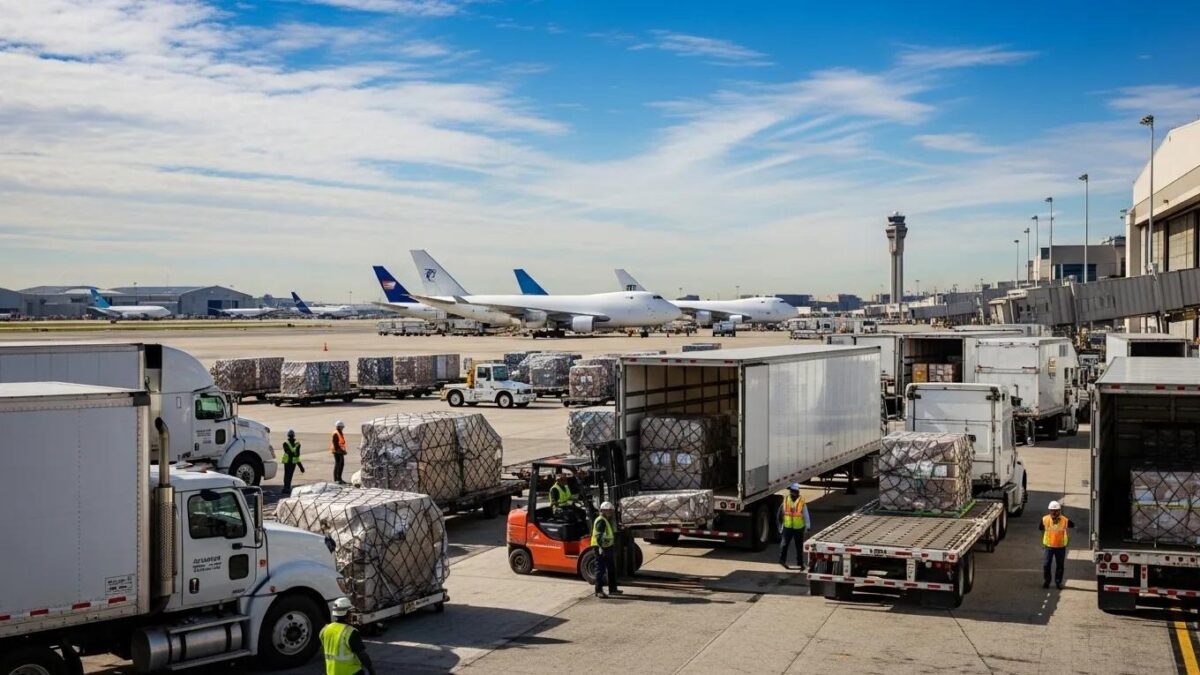
JFK Airport Trucking Rates in 2026: Key Cost Drivers and How to Obtain Accurate Freight Quotes
Understanding the factors that influence trucking rates at JFK Airport in 2026 is essential for businesses that rely on air freight. This article identifies the principal cost drivers and explains how to obtain accurate freight quotes. Clear insight into pricing determinants enables companies to make informed logistics decisions and improve operational efficiency.
This guide examines the primary factors affecting JFK trucking rates—service type pricing, distance and lane density, cargo characteristics, and market demand. It also outlines the information required for precise quotes and describes how First Class Trucking supports a transparent quoting process.
The key cost drivers influencing JFK Airport trucking rates in 2026 include:
Effective management of logistics costs requires a clear view of the elements that drive rates. The sections that follow detail the factors that most directly affect trucking charges at JFK Airport.
Service Type Pricing
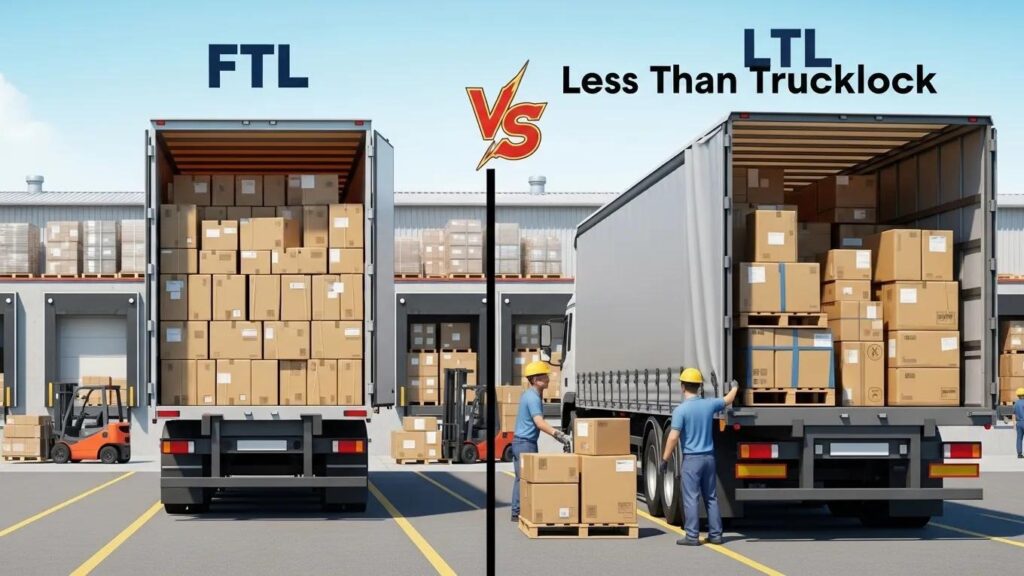
Service type pricing differentiates Less Than Truckload (LTL) from Full Truckload (FTL) services. LTL commonly carries higher per-unit rates because multiple consignments are consolidated, while FTL is more cost-effective for shipments that occupy a full trailer. Pricing also responds to cargo type, delivery urgency, and specific service requirements. Businesses should match service selection to shipment profile to control costs. All of our less than truckload services are designed to meet your needs.
Distance and Lane Density
Distance and lane density directly influence rates. Longer routes increase fuel consumption and driver hours, raising costs. Lane density—the freight volume on a given corridor—affects scheduling flexibility and operational efficiency; congested lanes can add time and expense. Route analysis and selection of less-congested lanes can yield measurable savings.
Cargo Characteristics
Cargo specifications materially affect pricing. Weight, dimensions, and handling requirements determine equipment needs and labour. Heavy or oversized consignments often require specialised handling and incur higher charges. Certain cargo classes, such as hazardous materials, also necessitate regulatory compliance that increases cost. Accurate cargo details are essential when requesting quotes.
Market Demand
Market demand is a variable driver of rates. Peak periods—holidays or major sales events—typically increase demand for trucking capacity and raise prices. Conversely, off-peak periods can produce lower rates as competition grows. Monitoring market cycles helps businesses anticipate pricing shifts and adjust procurement strategies.
How Can Businesses Get an Accurate JFK Cargo Trucking Service Quote?
Accurate quotes require precise, complete information about the shipment. Provide the required service type, transport distance, cargo dimensions and weight, and any special handling or scheduling needs. Detailed specifications reduce the need for adjustments and produce quotes that reflect actual service requirements.
Compare proposals from multiple providers to verify competitiveness. Consulting logistics specialists can also clarify rate components and support optimal carrier selection.
What Information Is Required to Request Precise JFK Drayage Pricing?
When requesting drayage pricing for JFK, prepare to supply the following details to ensure precise estimates:
- Service Type Specification: Clearly indicate whether the shipment requires LTL or FTL services.
- Distance and Cargo Weight: Provide accurate details about the distance to be covered and the weight of the cargo.
- Urgency and Scheduling Needs: Specify any time-sensitive requirements that may affect pricing.
Providing complete and accurate information accelerates the quoting process and reduces the risk of later adjustments.
How Does First Class Trucking Facilitate Transparent Quote Processes?
First Class Trucking maintains a transparent quote process by issuing detailed estimates that itemise expected costs. They offer shipment tracking so clients can monitor progress and receive status updates. Consistent communication protocols ensure customers understand pricing components and service timelines, supporting reliable execution.
What Are the Differences Between Full Truckload and Flatbed Services at JFK Airport?
Full Truckload (FTL) and flatbed services serve different operational needs. FTL is appropriate for large shipments that fill a trailer and benefit from direct delivery. Flatbed services accommodate oversized or irregularly shaped cargo that cannot be loaded into enclosed trailers. Selecting the correct service type aligns transport capability with cargo requirements.
How Do Service Types Affect JFK Airport Trucking Rates?
Service selection affects unit costs. FTL typically lowers per-unit rates for large consignments, while LTL rates can be higher due to consolidation and handling. The choice between flatbed and enclosed trailers also impacts pricing based on cargo size, securing requirements, and handling complexity. Evaluate shipment characteristics to select the most cost-effective service.
Which Freight Types Are Best Suited for Full Truckload Versus Flatbed Transport?
Different freight profiles align with FTL or flatbed transport according to size, urgency, and geometry. Choose the mode that matches the cargo to minimise handling and cost.
- Bulk Shipments: Large quantities of goods that can fill an entire truck.
- Time-Sensitive Deliveries: Shipments requiring direct transport without stops.
- Standardized Cargo: Goods that fit within standard shipping dimensions.
Flatbed transport is best for:
- Oversized Equipment: Machinery or large items that cannot fit in enclosed trailers.
- Construction Materials: Items like lumber or steel that require open transport.
- Irregularly Shaped Cargo: Freight that does not conform to standard dimensions.
Correctly pairing freight type with transport mode reduces handling complexity and improves cost efficiency.
How Do Regulatory and Market Trends Influence JFK Airport Freight Trucking Companies in NYC?
Regulatory and market trends shape carrier operations and pricing. New compliance requirements can raise operational costs that are reflected in rates. Market shifts—changes in demand or economic conditions—alter capacity availability and pricing strategies. Remaining informed on regulatory and market developments enables better procurement and planning.
What Strategies Can Businesses Use to Optimize Costs with JFK Drayage and Freight Trucking?
Businesses can apply several practical strategies to control drayage and freight costs at JFK:
- Understand Cost Drivers: Familiarize yourself with the factors influencing trucking rates to make informed decisions.
- Negotiate Rates: Leverage knowledge of market conditions to negotiate better pricing with providers.
- Select Reliable Providers: Choose trucking companies with a proven track record of reliability and transparency.
Implementing these approaches improves logistics efficiency and supports predictable transportation costs.
How Can Understanding Cost Drivers Help Negotiate Better JFK Trucking Rates?
Knowledge of key cost drivers strengthens negotiation. By demonstrating awareness of service type impacts, route characteristics, and market demand, businesses can request tailored quotes and justify rate positions. Clear shipment specifications enable providers to offer accurate, competitive pricing.
What Are Best Practices for Selecting Reliable JFK Airport Trucking Providers?
When evaluating providers, apply objective criteria to confirm capability and reliability:
- Evaluate Provider Qualifications: Check for certifications, experience, and industry reputation.
- Request References: Seek feedback from previous clients to gauge reliability and service quality.
- Assess Communication: Ensure the provider maintains clear and open lines of communication throughout the shipping process.
Adopting these practices increases the likelihood of securing a dependable trucking partner.
| Service Type | Cost Driver | Impact |
| Full Truckload (FTL) | Volume of cargo | Lower rates for larger shipments |
| Less Than Truckload (LTL) | Consolidation of shipments | Higher rates per unit |
| Flatbed | Cargo dimensions | Specialized handling requirements |
This table summarises how service types and their primary cost drivers affect trucking rates, supporting informed carrier and service selection.
In conclusion, understanding the principal cost drivers for JFK Airport trucking rates in 2026 enables businesses to optimise logistics decisions. Considering service type, distance, cargo characteristics, and market demand allows companies to obtain accurate freight quotes and manage expenses. Partnering with reliable providers such as First Class Trucking can improve transparency and operational efficiency in the quoting process.
Frequently Asked Questions
What are the benefits of using Full Truckload (FTL) services over Less Than Truckload (LTL) services?
FTL provides direct transport with minimal handling, which can reduce transit time and the risk of damage. For large-volume shipments, FTL typically yields lower per-unit costs compared with LTL consolidation. These attributes make FTL efficient and secure for high-volume or time-sensitive freight.
How can businesses prepare for fluctuations in trucking rates due to market demand?
Businesses should monitor seasonal and market trends and maintain relationships with multiple carriers. Advance planning and flexible scheduling reduce exposure to peak-period premiums. Comparing alternative providers and securing contractual arrangements can also stabilise rates.
What role does technology play in optimizing trucking logistics at JFK Airport?
Technology enhances visibility and efficiency. Tracking systems provide real-time shipment status and estimated arrival times. Logistics software supports route analysis, inventory coordination, and streamlined communication with carriers, enabling data-driven operational decisions.
How do environmental regulations impact trucking costs at JFK Airport?
Environmental regulations can increase operating costs by requiring investments in cleaner vehicles or emissions control. Carriers may pass these compliance costs to customers through higher rates. Businesses should factor regulatory changes into long-term logistics planning.
What are the key factors to consider when negotiating trucking rates?
Key negotiation factors include understanding service type impacts, route distance, cargo specifications, and current market conditions. Presenting precise shipment requirements and demonstrating market awareness improves negotiating leverage and helps secure competitive terms.
How can businesses ensure they are selecting the right trucking provider for their needs?
Select providers based on documented qualifications, verifiable references, and demonstrated communication practices. Confirm capacity, compliance, and service reliability before contracting. A structured evaluation reduces operational risk and supports consistent performance.
Conclusion
Understanding the key cost drivers for JFK Airport trucking rates in 2026 empowers businesses to make informed logistics choices that control costs and protect service levels. Assess service types, route characteristics, cargo requirements, and market conditions to secure accurate quotes. Working with reputable carriers such asFirst Class Trucking can enhance transparency and execution consistency.