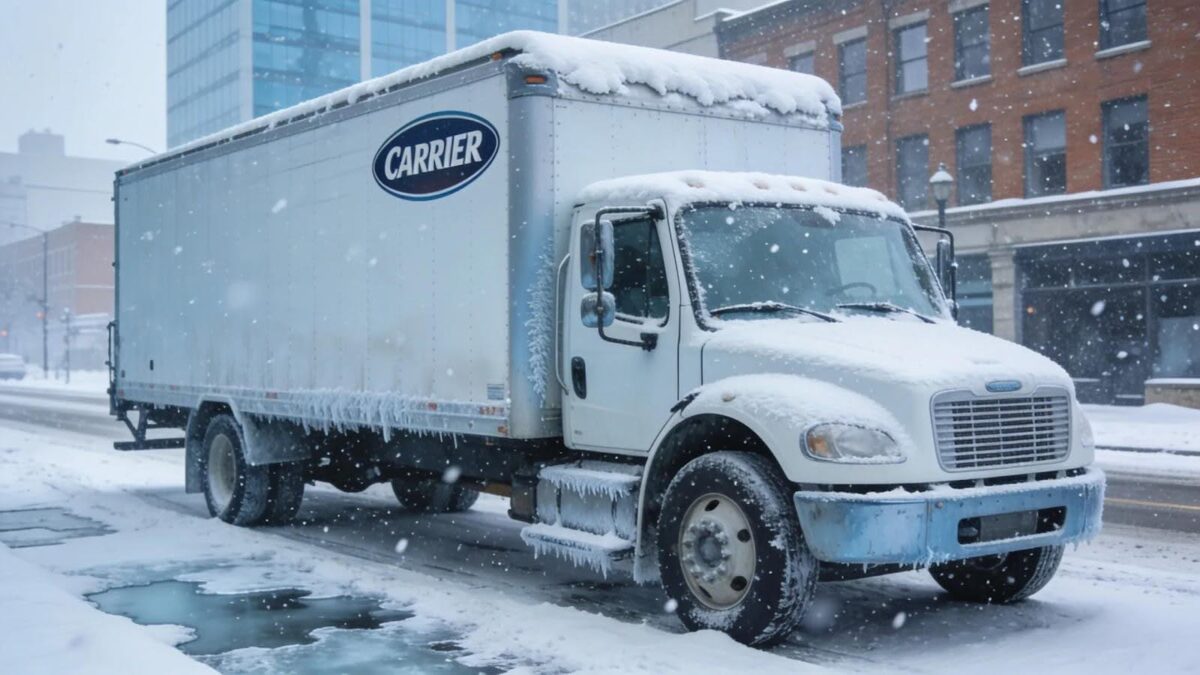
Refrigerated Chicago Trucking Services: Ensuring Reliable Cold Chain Freight Protection Through Midwest Winters
Chicago businesses that move perishable goods require dependable refrigerated trucking to protect product quality. Winter conditions introduce specific risks to the cold chain, so operators rely on specialised procedures and equipment to preserve temperature control. This article examines core refrigerated trucking functions, regulatory compliance, real-time monitoring, and the operational challenges posed by Midwest winters.
Recognising the operational requirements for effective cold chain logistics is essential during winter, when temperature variance threatens product integrity. The following sections address temperature management, transportation planning, safety compliance, and practical strategies used to sustain refrigerated transport across the region.
Temperature Control
Temperature control is the primary function of refrigerated trucking, protecting perishable cargo throughout transit. Operators use industrial refrigeration systems configured to hold defined temperature bands required for food safety and product integrity. Consistent application of temperature protocols prevents compromise of items such as fresh produce, meats, and dairy.
Compliance with established temperature standards is fundamental. FDA and USDA guidance establish acceptable ranges for many food products, and the combination of precise sensors with properly maintained refrigeration units supports adherence to those standards.
Maintaining the cold chain is essential to prevent spoilage and preserve product quality, as documented in logistics and supply chain research.
Cold Chain Management for Spoilage Prevention
Maintaining the cold chain is essential in preventing spoilage. Studies from 2020 indicate effective cold chain management significantly improves food transportation performance for grocery stores across the US.
Transportation Logistics
Cold chain transportation demands precise planning and coordinated execution. Effective refrigerated transport aligns equipment, personnel, and timing to preserve cargo conditions. Pre-cooling trailers before loading establishes the required environment prior to shipment.
Active telemetry provides continuous cargo condition data and enables operators to issue corrective actions in real time. Proper staging and optimised loading procedures reduce temperature fluctuation and lower spoilage risk during transit.
Compliance with Safety Standards
Regulatory compliance underpins refrigerated trucking operations. In the United States, agencies such as the FDA and USDA set safety requirements that carriers must follow. Maintaining accurate temperature logs and supporting documentation is part of adhering to these regulations.
Regular safety audits identify gaps and drive operational improvements. Consistent application of audit findings and best practices protects product safety and preserves the carrier’s reputation.
Challenges Faced During Winter
Midwest winters create specific stressors for refrigerated fleets. Extreme cold increases load on refrigeration systems and raises the likelihood of component failures. Carriers must maintain contingency plans to address equipment issues without compromising cargo safety.
Winter weather also affects route planning. Operators may reschedule or reroute shipments to avoid hazardous conditions while protecting the cold chain. Operational agility is necessary to sustain delivery timelines and product quality.
Addressing cold chain transport challenges requires appropriate equipment and careful operational planning to protect product quality and safety.
Challenges in Cold Chain Transport of Perishable Goods
Cold temperatures and handling requirements increase operational complexity. Maintaining product quality requires specialised transport fleets and additional energy for storage, handling, and transportation of perishable goods.
Real-Time Monitoring
Real-time monitoring systems give logistics teams continuous visibility of cargo conditions throughout transit. These technologies track temperature and humidity inside trailers and support immediate corrective actions when deviations occur.
Real-time alerts enable prompt operator response to protect sensitive shipments. Data logging from monitoring systems also supports regulatory audits and helps identify areas for process improvement.
What Are Cold Chain Logistics Essentials for Chicago Refrigerated Trucking?
Successful cold chain operations in Chicago depend on a set of core elements. The essentials listed below address the primary technical and regulatory needs for refrigerated transport.
- Temperature Control Methods: Utilizing state-of-the-art refrigeration technologies that ensure consistent temperature maintenance throughout transport.
- Proper Packaging: Implementing effective packaging solutions that enhance thermal retention and protect products during transit.
- Regulatory Compliance: Strict adherence to federal and state regulations that govern the transportation of perishable goods.
These foundational elements combine to form a resilient cold chain that supports safe, efficient deliveries even during Chicago’s severe winter conditions.
How Does Temperature Controlled Freight Transport Maintain Integrity?
Temperature-controlled freight transport preserves the integrity of perishable goods. Reefer trucks are configured to hold specific temperature ranges required for product preservation, and real-time tracking improves visibility and compliance during transit.
Thorough documentation and precise temperature logs are critical for regulatory compliance and liability management. The adoption of advanced monitoring and control technologies further improves the reliability of refrigerated transport operations.
Temperature-controlled transport functions as a strategic asset, supporting product quality and enabling data-driven decision making.
Temperature-Controlled Transport for Fresh Food: Strategic Asset
Temperature-controlled transport provides strategic benefits and can support automated decision-making processes. These capabilities contribute to more cost-effective choices for transporting fresh food (LM Maiyar, 2023).
Which Compliance Standards Govern Cold Storage Trucking Services?
Federal regulations, particularly those from the FDA and USDA, establish baseline safety requirements for cold storage trucking. Carriers must align their processes with these standards to protect public health.
State-level rules may add further obligations that carriers must meet. Robust documentation and record-keeping practices are essential to demonstrate compliance during audits and to maintain trust across the supply chain.
What Seasonal Challenges Impact Midwest Refrigerated Trucking Operations?
Seasonal weather swings, especially winter, significantly affect Midwest refrigerated trucking. Key challenges include:
- Temperature Management: Adjusting strategies to manage in-transit temperature variance.
- Equipment Reliability: Increasing maintenance to ensure refrigeration systems perform under strain.
- Route Optimization: Continual route assessment to mitigate weather-related risks and preserve delivery schedules.
Proactive measures addressing these seasonal factors improve operational resilience and protect the integrity of transported goods.
How Do Midwest Winters Affect Perishable Goods Transit?
Midwest winters demand strict temperature control; even minor deviations can cause spoilage and compromise product safety and quality.
Without consistent monitoring and maintenance, the risk of spoilage grows. Adherence to safety standards and robust operational protocols is essential to sustain quality control along the cold chain.
What Solutions Ensure Cold Chain Continuity in Harsh Winter Conditions?
Maintaining cold chain continuity during severe winter conditions requires targeted operational measures. Typical solutions include:
- Pre-Planning Routes: Creating route plans that anticipate weather disruptions and preserve delivery windows.
- Technological Solutions: Deploying advanced monitoring systems to detect and address temperature deviations promptly.
- Regular Maintenance Checks: Implementing preventive maintenance for refrigeration units to reduce the chance of failures in transit.
Applied together, these strategies increase reliability and efficiency for refrigerated shipments during challenging weather.
How Does Full Truckload Refrigerated Transport Serve Chicago Logistics Cold Chain Needs?
Full truckload refrigerated transport provides dedicated capacity for single-client shipments, which simplifies handling and supports tighter temperature control.
Reducing transfers and consolidating shipments lowers handling-related temperature risks. The consistent environment offered by full truckload services supports product safety and dependable delivery performance.
What Are the Features and Benefits of Temperature Controlled Full Truckload Transport?
Temperature-controlled full truckload transport includes features and benefits tailored to cold chain needs:
- Consistent Temperature Control: Uniform temperature management reduces spoilage risk.
- Reduced Handling: Fewer transfers limit exposure to temperature fluctuations and damage.
- Cost Efficiency: Larger shipments can achieve lower per-unit transport costs than less-than-truckload options.
Collectively, these attributes strengthen the operational efficiency and reliability of cold chain logistics.
How Is Freight Integrity Monitored During Transit?
Monitoring freight integrity relies on continuous data from real-time systems that track temperature and environmental conditions during transport.
When deviations occur, operators can implement corrective measures to protect cargo. Recorded data also supports compliance reviews and operational performance analysis.
How Does First Class Trucking Demonstrate Expertise in Midwest Refrigerated Freight Services?
First Class Trucking demonstrates expertise by applying established cold chain practices and deploying modern refrigeration technology to meet safety requirements and protect shipments.
The company’s emphasis on reliability and customer service underscores its operational capability and understanding of refrigerated transport demands.
What Customer Success Stories Highlight Effective Cold Chain Solutions?
Customer case studies illustrate how structured cold chain solutions enable successful winter transports where logistical challenges were overcome to deliver goods safely.
Client feedback highlights the operational impact of effective cold chain management and reinforces the value of specialist expertise in preserving product integrity under adverse conditions.
Which Compliance Certifications and Technologies Support Reliable Service?
Industry certifications validate that providers meet established standards and help reassure customers about service reliability.
Complementing certifications with technology—such as advanced tracking and documentation systems—and ongoing staff training improves compliance and service consistency.
What Are Chicago Refrigerated Trucking Rates and Quote Processes?
Understanding refrigerated trucking rates and the quote process is essential for selecting the right logistics partner. Factors that influence pricing include distance, weight, and the type of refrigeration equipment required.
Businesses should familiarise themselves with cost drivers such as market demand and fuel prices. Clear knowledge of how to request quotes will streamline vendor selection and procurement.
How Can Businesses Request Customized Refrigerated Freight Quotes?
Requesting customised refrigerated freight quotes requires precise information from shippers, including shipment weight, volume, and destination.
Clear communication enables carriers to propose tailored solutions that meet shipment requirements. Assessing quotes on both service quality and cost leads to better procurement decisions.
What Factors Influence Pricing for Cold Chain Logistics Chicago?
Pricing for cold chain logistics in Chicago depends on several variables. Key determinants include:
- Distance and Weight: Greater distance and heavier loads increase transport costs.
- Market Demand: Seasonal demand shifts affect available capacity and rates.
- Equipment Type: Specific refrigeration capabilities and equipment requirements influence pricing.
A clear understanding of these factors helps businesses anticipate costs and plan logistics strategically.
What Future Trends and Market Insights Affect Chicago Cold Storage Trucking Services?
Emerging trends will affect cold storage trucking in Chicago, including broader technology adoption that improves operational efficiency and visibility.
Post-pandemic supply chain shifts and a growing emphasis on environmental sustainability are also shaping carrier strategies and encouraging investment in greener transport solutions.
How Are Pandemic Recovery and Supply Chain Shifts Influencing Midwest Refrigerated Trucking?
Pandemic recovery and related supply chain changes present both challenges and opportunities for Midwest refrigerated trucking. Market shifts require carriers to enhance flexibility and responsiveness.
These changes encourage firms to build resilience into logistics frameworks and to adapt processes rapidly to maintain service quality in a changing market.
What Innovations Are Emerging in Reefer Trailer Technology?
New developments in reefer trailer technology focus on energy efficiency and improved monitoring capabilities through advanced refrigeration systems.
Smart trailers with integrated sensors provide real-time condition data, improving shipment reliability. Advances in insulation materials also support tighter temperature control during transit.
For businesses considering specialised transport, awareness of various freight options is important. While refrigerated transport suits perishables, flatbed services address different cargo requirements within the industry.
Understanding a broader set of transport services can inform more effective supply chain planning and execution.
Frequently Asked Questions
What types of products are typically transported using refrigerated trucking services?
Refrigerated trucking services move temperature-sensitive goods such as fresh produce, meats, seafood, dairy products, and pharmaceuticals. These items require controlled conditions to maintain quality and safety throughout transit.
How can businesses ensure the reliability of their refrigerated trucking service?
Reliability comes from partnering with experienced carriers that use modern refrigeration equipment and maintain rigorous compliance practices. Prioritise providers that offer real-time monitoring so deviations can be addressed promptly.
What maintenance practices are essential for refrigerated trucking equipment?
Routine maintenance is essential: inspect refrigeration units, verify seals and insulation, and ensure monitoring systems are operational. Preventive maintenance schedules help detect issues early and reduce the risk of failure in transit.
How does route planning impact refrigerated transport during winter?
Route planning is critical in winter. Carriers should evaluate weather forecasts and road conditions to select the safest, most efficient routes, minimising delays and protecting temperature-sensitive cargo.
What role do technology and automation play in cold chain logistics?
Technology and automation increase visibility and operational efficiency. Advanced tracking systems deliver real-time cargo data, automated alerts, and comprehensive logs for compliance and decision support, reducing human error.
Why is packaging important for refrigerated goods?
Appropriate packaging provides insulation, reduces exposure to temperature changes, and protects against physical damage and contamination. Correct materials and designs help maintain product quality and lower spoilage risk.
What are the benefits of temperature-controlled full truckload transport?
Temperature-controlled full truckload transport delivers consistent temperature management, less handling, and cost advantages for large shipments. Assigning a full truck to a single customer reduces handling steps and supports delivery reliability.
Conclusion
Reliable refrigerated trucking is central to preserving perishable goods through Chicago’s winter months. By prioritising temperature control, regulatory compliance, and modern monitoring systems, businesses can mitigate winter-related risks and protect product quality. Partnering with experienced logistics providers helps companies manage these operational complexities; review refrigerated transport options to secure your cold chain requirements.