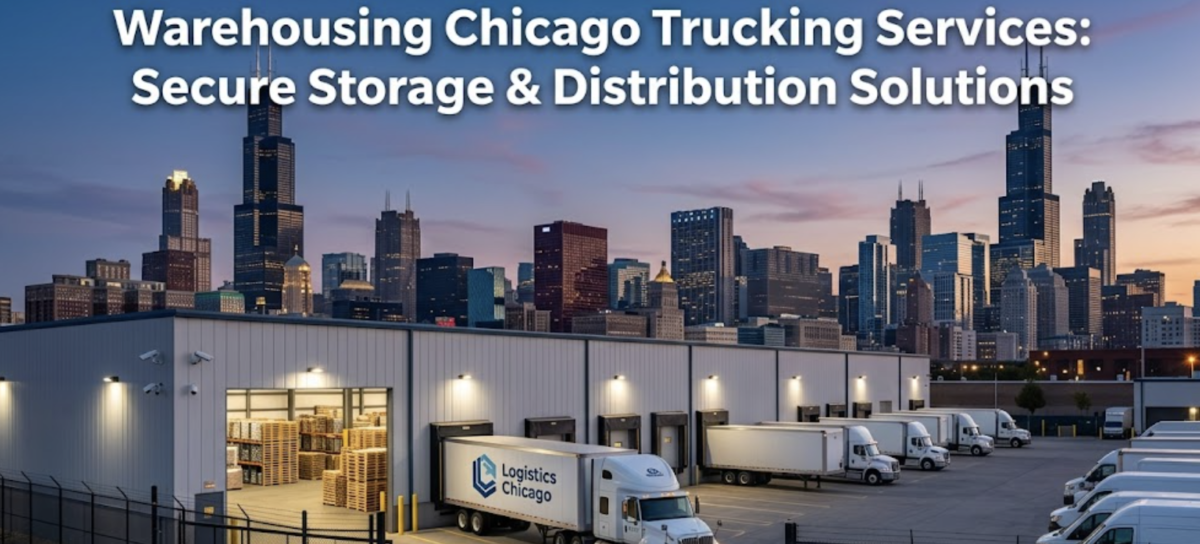
Warehousing Chicago Trucking Services: Secure Storage & Distribution Solutions
Reliable warehousing and trucking are essential for Chicago businesses that need consistent, secure movement and storage of goods. This article examines secure storage and distribution options, explains how warehousing and trucking work together, and outlines practical steps companies can take to improve logistics performance. The following sections detail core features and benefits of secure storage, service options that support freight operations, and guidance for integrating these services into supply chains.
Features of Secure Storage Solutions
Secure storage facilities include controlled access systems and perimeter security to limit entry to authorised personnel, reducing security incidents. Continuous surveillance and monitoring provide recorded oversight of facility activity.
Robust inventory control enables accurate tracking and location of stock, lowering loss and misplacement risks. Heavy-lift capabilities and specialised handling equipment support oversized or high-density items commonly found in construction and manufacturing supply chains. Together, these features meet safety requirements and improve handling efficiency.
Benefits of Secure Storage Solutions
The operational benefits of secure storage directly support business objectives. Key outcomes include reduced loss, compliance with safety requirements, and lower total logistics cost through more reliable inventory control.
- Protection and Security: Enhanced security measures, including surveillance and gated access, safeguard against theft and damage, ensuring inventory integrity.
- Cost Efficiency: By preventing loss and damage, businesses can save significantly on replacement costs, making secure storage a financially sound investment.
- Regulatory Compliance: Many industries require strict adherence to safety regulations. Utilizing secure storage helps businesses comply with these standards, thereby avoiding potential fines.
These advantages improve operational reliability and financial performance, encouraging organisations to prioritise secure storage within their logistics strategies.
| Feature | Benefit | Impact Level |
|---|---|---|
| Gated Access | Limits access to authorized personnel | High |
| Surveillance Systems | Continuous monitoring for security | High |
| Inventory Control | Accurate tracking reduces loss | Medium |
The table summarises how core security features translate into operational advantages, supporting a safer and more efficient warehouse environment.
Service Options Enhancing Freight Logistics
Service options that improve freight logistics focus on reducing handling time and ensuring timely deliveries. Providers typically offer modular services that scale with demand and integrate into existing supply chains.
- Pick, Pack, and Fulfillment Services: These services streamline the order fulfillment process, allowing businesses to manage inventory efficiently and meet customer demands promptly.
- Returns Processing: Efficient management of return shipments helps maintain customer satisfaction while reducing losses associated with returned goods.
- Real-Time Inventory Management: Utilizing technology to monitor inventory levels in real time enables businesses to respond swiftly to fluctuations in demand.
Integrating these services into logistics operations simplifies management of freight and strengthens customer service through more reliable delivery performance.
What Are the Key Benefits of Secure Warehouse Storage in Chicago?
Secure warehouse storage in Chicago delivers tailored benefits that support diverse industry requirements. Facilities balance safety measures with operational cost controls to meet both regulatory and commercial needs.
- Safety Features: Enhanced safety measures, like climate-controlled storage options, protect sensitive goods from environmental factors, ensuring their longevity and usability.
- Cost Efficiency: With a secure storage structure, companies minimize risks associated with damage and theft, which leads to lower operational costs.
- Inventory Management: Implementing effective inventory control systems supports accurate tracking of stock levels, significantly reducing overstock and stockouts.
Combined, these benefits support scalable operations, reduce risk exposure, and help build customer confidence in supply chain reliability.
How Does Chicago Warehousing Enhance Freight Safety and Reliability?
Chicago warehousing improves freight safety by applying established security protocols and operational controls that reduce exposure to loss and damage. Facilities adopt technologies and procedures that protect stored goods throughout their residence.
- Secure Storage: Gated facilities equipped with surveillance cameras deter unauthorized access and enhance cargo safety.
- Cold Storage: For industries such as pharmaceuticals and food, temperature-controlled environments preserve product integrity throughout the storage duration.
- Cross-Docking Benefits: This method enables efficient transfer of goods directly from incoming to outgoing transportation with minimal handling, reducing the risk of damage.
These approaches increase the predictability of deliveries and support consistent service levels for customers and partners.
Which Businesses Benefit Most from Secure Freight Storage Solutions?
Secure freight storage delivers value across multiple sectors that require asset protection and precise inventory control. The following industries typically see the greatest operational gains.
- Retail Sector Benefits: Companies rely on secure storage to manage inventory effectively, ensuring they can meet customer demands without delay.
- Healthcare Needs: Pharmaceuticals can utilize secure storage to comply with safety regulations, as some products require controlled environments.
- Manufacturing Efficiency: By maintaining an organized and secure storage system, manufacturers can optimize their supply chain processes and reduce production delays.
These examples demonstrate the broad applicability of secure storage and its role in maintaining smooth supply chain operations.
How Do Chicago Trucking Services Integrate with Warehousing and Distribution Centers?
Integration between trucking services and warehousing creates a continuous flow of goods that reduces lead times and improves inventory turnover. Coordinated planning aligns transport capacity with warehouse operations.
- Order Fulfillment Process: Coordinated efforts between trucking and warehousing ensure that orders are picked, packed, and shipped in a timely fashion.
- Cross-Docking Efficiency: This method minimizes storage time by transferring goods directly from one mode of transport to another, enhancing delivery speed.
- Real-Time Inventory Management: Integration allows for accurate inventory tracking, leading to faster response times for out-of-stock items.
The combined capabilities of transport and storage support integrated logistics approaches that improve responsiveness and reduce total supply chain cost.
What Role Do Full Truckload and Flatbed Transport Play in Chicago Freight Movement?
Full truckload and flatbed transport address different shipment requirements, giving shippers options to match cargo characteristics and cost considerations.
- Full Truckload Benefits: FTL shipping is cost-effective for companies with large shipments, allowing them to maximize freight capacity and minimize transportation costs.
- Flatbed Transport Utility: Ideal for oversized or irregularly shaped items, flatbeds provide flexibility in loading and unloading, accommodating diverse shipping requirements.
- Efficiency in Freight Movement: Utilizing these transport methods reduces handling times and enhances the overall speed of the delivery process, crucial for time-sensitive shipments.
Selecting the appropriate transport mode helps firms control costs and meet delivery schedules for specific cargo types.
How Are Distribution Centers Coordinated with Freight Transportation in Chicago?
Coordination between distribution centers and freight carriers depends on process standardisation and effective information flow. Clear procedures align inbound and outbound movements to reduce dwell time.
Strategies for enhancing such coordination include:
- Integrated Technology Platforms: These systems enable real-time tracking and management of goods, facilitating informed decision-making.
- Effective Communication: Open channels between warehousing and transportation providers enhance responsiveness and reduce delays.
- Strategic Inventory Placement: Locating goods closer to transportation hubs maximizes efficiency and minimizes transit times.
Implementing these strategies streamlines throughput and improves on-time delivery metrics for end customers.
Which Inventory Management and Logistics Technologies Support Chicago Warehousing Solutions?
Modern warehousing relies on several core technologies to maintain accuracy and throughput. These systems reduce manual tasks and improve visibility across the supply chain.
- Tracking Technologies: Barcode scanners and RFID systems allow for precise tracking of inventory, improving accuracy and reducing human error.
- Inventory Management Systems: Software solutions support real-time inventory tracking and management, aiding decision-making processes significantly.
- Logistics Software: Advanced platforms facilitate warehouse operations, including order picking, packing, and shipping automation, enhancing efficiency.
Adopting these technologies enables businesses to respond to demand changes more quickly and maintain accurate stock control.
How Does Inventory Tracking Improve Freight Handling and Storage Accuracy?
Inventory tracking systems reduce discrepancies and streamline handling by providing precise, time-stamped data on stock movements. This improves planning and reduces processing delays.
- Reducing Errors: Automated systems minimize the chances of human error during inventory management, ensuring precise stock levels.
- Enhanced Operational Efficiency: Real-time data access allows for quicker reactions to inventory levels, reducing delays in order fulfillment.
- Improved Customer Service: Accurate inventory tracking enables businesses to provide up-to-date information on product availability, fostering stronger customer relationships.
Improved tracking yields better resource allocation, fewer stock discrepancies, and stronger customer fulfilment performance.
What Are the Latest Trends in Logistics Technology Used in Chicago Warehousing?
Current technology trends in warehousing focus on automation, connectivity, and analytics to drive efficiency and predictability in operations.
- Automation Advances: Robotics and automated systems are increasingly being adopted to perform repetitive tasks, reducing labor costs and increasing efficiency.
- IoT Integration: Internet of Things (IoT) devices enable real-time monitoring of warehouse conditions, enhancing inventory management.
- Data Analytics in Logistics: Utilizing data analytics helps businesses make informed decisions regarding inventory management and demand forecasting, optimizing operations.
These developments expand capacity for scalable operations while reducing cycle times and operating expense.
What Are the Typical Costs and Value Propositions of Chicago Freight Storage Solutions?
Cost structures for freight storage vary by duration, facility type, and service level. Understanding these drivers helps businesses budget and evaluate return on investment.
- Pricing Models: Typically, pricing may vary based on storage duration, with short-term storage often costing more per square foot than long-term agreements.
- Influencing Factors: Variables such as location, type of storage (climate-controlled or standard), and inventory value affect overall costs.
- Examples of Services: Various services offered by providers can include picking and packing, inventory management, and specialized handling services, each contributing to the overall pricing structure.
Detailing these cost elements enables procurement teams to compare providers and select solutions that align with operational and financial priorities.
How Is Warehousing Pricing Structured for Different Chicago Logistics Needs?
Warehousing fees reflect shipment characteristics, service requirements, and seasonal demand. Providers offer models that align cost with utilisation.
- Less Than Truckload Pricing: Costs are calculated based on the weight and volume of shipments, providing flexibility for smaller loads.
- Full Truckload Pricing: Typically involves a flat fee based on distance and load size, offering cost efficiency for larger hauls.
- Seasonality Factors: Pricing may adjust during peak seasons to reflect heightened demand for storage and shipping solutions.
Understanding these pricing mechanisms helps logistics managers forecast expenses and choose the most cost‑effective arrangement for their needs.
What Unique Value Does First Class Trucking Offer in Chicago Warehousing and Transport?
First Class Trucking positions itself as a reliable logistics partner by combining transparent pricing, tracking capabilities, and a broad service portfolio to meet diverse shipping requirements.
- Competitive Pricing: With transparent pricing structures and no hidden fees, businesses can confidently collaborate with First Class Trucking.
- Real-Time Tracking: Continuous tracking of shipments ensures clients remain informed throughout the transport process.
- Versatile Solutions: Offering a wide range of services caters to various logistical needs, from standard freight to specialized storage solutions.
These attributes support consistent service delivery and help clients manage risk across their supply chains.
Which Freight Storage and Distribution Solutions Does First Class Trucking Provide in Chicago?
First Class Trucking offers a suite of storage and distribution services designed to support end-to-end logistics requirements and improve fulfilment reliability.
- Secure Storage Solutions: Ensures that goods are kept in safe, monitored environments to protect against theft and damage.
- Inventory Management: Employing innovative technologies to manage stock effectively, ensuring high levels of accuracy.
- Order Fulfillment: Providing efficient pick, pack, and ship services that accelerate delivery timelines and enhance customer satisfaction.
These services reduce handling complexity and enable clients to focus on core business operations while outsourcing logistics execution.
What Secure Warehousing Facilities Are Available Through First Class Trucking?
First Class Trucking provides access to facilities that accommodate standard storage needs as well as specialised environments for temperature‑sensitive goods.
- Types of Facilities: Facilities range from standard storage spaces to climate-controlled environments for sensitive goods, ensuring flexibility in storage solutions.
- Security Measures: Comprehensive security protocols, including surveillance and controlled access, enhance the safety of stored goods.
- Operational Efficiency: Well-organized facilities ensure effective handling and quick access to inventory, facilitating smooth operations.
These facility options offer businesses the flexibility and protections required to maintain inventory integrity and operational continuity.
How Do Distribution Services Enhance Freight Movement Efficiency in Chicago?
Distribution services improve freight movement by increasing visibility, optimising routing, and providing value‑added handling that reduces cycle times and errors.
- Real-Time Tracking: Facilitates visibility throughout the shipping process, allowing immediate responses to any potential issues.
- Route Optimization: Advanced logistics planning leads to efficient routing, reducing transportation times and costs.
- Value-Added Services: Offering services such as packing, assembly, and labeling enhances overall delivery effectiveness.
Applying these distribution capabilities allows businesses to lower transport costs and improve on‑time performance.
How Can Businesses Request a Quote and Get Answers Through Chicago Warehousing FAQs?
Businesses can request quotes and obtain answers by providing key operational details to service providers and using established contact channels for timely responses.
- How to Request a Quote: Clients can reach out to First Class Trucking for tailored quotes based on their specific warehousing needs.
- Information Needed for Quote: Essential details typically include warehouse size, duration of use, and specific requirements.
- Response Time Expectation: First Class Trucking aims to respond to inquiries within 24-48 hours, ensuring timely information for operational planning.
Supplying clear specifications up front accelerates the quoting process and helps providers return precise proposals aligned to operational needs.
What Is the Process to Request a Customized Chicago Warehousing and Trucking Quote?
Requesting a customised quote involves preparing operational details, contacting the provider through the listed channels, and awaiting a defined response window for follow-up.
- Information to Prepare: Gather specific details about storage needs and transportation requirements.
- Contact Methods: Reach out via phone or email for a personalized consultation.
- Response Time: Expect timely follow-up within a predefined period, typically between 24-48 hours.
This process provides clarity on service scope and cost, enabling businesses to plan and implement logistics solutions efficiently.
Frequently Asked Questions
1. What measures can businesses take to enhance security in their warehousing operations?
Enhance security by layering controls: install continuous surveillance systems, deploy access control to restrict entry, and integrate alarm monitoring. Conduct regular security audits and train staff on protocols. Select warehouse locations with adequate lighting and perimeter protections to further reduce risk.
2. How can businesses choose the right warehousing solution for their needs?
Choose a solution by assessing inventory volume, product handling needs, and geographic proximity to customers and suppliers. Verify available services such as climate control or specialised handling, and compare costs and contract flexibility to ensure alignment with operational objectives.
3. How do environmental considerations influence warehousing decisions?
Environmental factors affect facility design and operating costs. Consider energy-efficient systems, sustainable construction materials, and waste‑reduction programs to lower operating footprint. Ensure compliance with local environmental regulations to avoid penalties and support corporate responsibility goals.
4. What are the advantages of using advanced technology in warehousing?
Advanced technology reduces manual errors and speeds processing. Automation and WMS deliver real-time inventory visibility, while IoT devices monitor conditions and optimise space use. Together, these technologies increase throughput, lower operating costs, and improve delivery reliability.
5. What role does employee training play in warehouse efficiency?
Employee training ensures safe, consistent operations. Well-trained staff follow safety protocols, operate equipment correctly, and use inventory systems efficiently. Regular refresher training keeps teams current with new processes and technology, reducing accidents and errors.
6. How can businesses effectively manage seasonal fluctuations in inventory?
Manage seasonality by forecasting demand, adjusting order volumes, and using just‑in‑time strategies to limit excess stock. Employ flexible warehousing arrangements to scale capacity and maintain supplier relationships for faster replenishment during peak periods.
7. What best practices should be followed in warehouse layout for optimal efficiency?
Design layouts by placing high-turnover items near shipping areas and grouping slower-moving stock further away. Use clear labelling, defined picking routes, and vertical racking to maximise space. Regularly review layouts to adapt to changing demand patterns.
Conclusion
Secure warehousing and coordinated trucking in Chicago strengthen operational resilience, reduce loss, and improve regulatory compliance. These services streamline logistics, lower total cost of ownership, and support reliable delivery performance. Contact First Class Trucking to evaluate tailored warehousing and transport options that meet your business requirements.