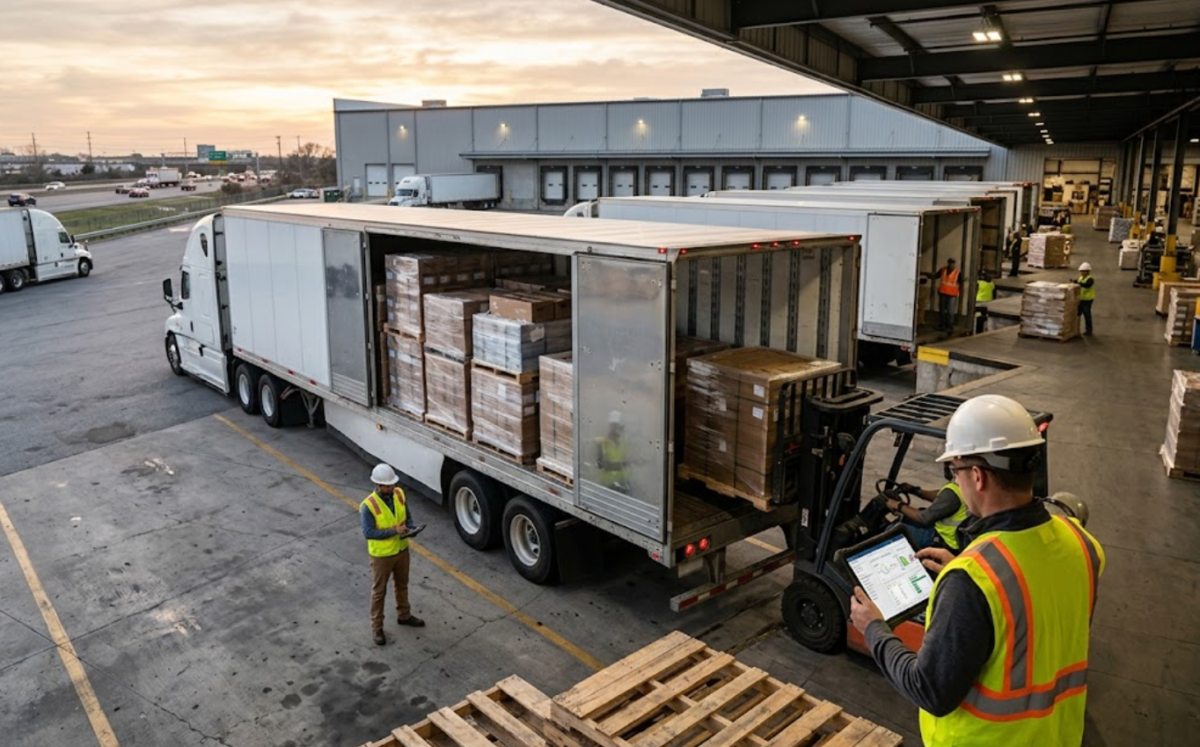
How to Reduce Full Truckload Shipping Costs

Consolidation, flexible scheduling, and route optimization cut full truckload costs most effectively. First Class Trucking, a 22-employee carrier based in Hallandale Beach, Florida, helps shippers control controllable factors like weight distribution and timing to avoid unnecessary surcharges and lower overall FTL freight rates.

Full truckload shipping costs drop when you consolidate freight, negotiate flexible payment terms, and compare carrier pricing before booking. First Class Trucking offers price match. Price beat policies with no down payment required, letting you secure capacity through certified logistics coordinators while avoiding markups tied to rushed, single-shipment bookings.

Key Takeaways

  • Freight shipping costs represent a significant budget portion, but businesses can implement multiple tactics to reduce expenses.
  • Full truckload shipping rates depend on numerous factors beyond weight, including distance, timing, and cargo type considerations.
  • Shippers must balance cost reduction strategies against service quality to protect overall organizational profitability and operations.
  • First Class Trucking’s 22-person team in Hallandale Beach provides localized expertise for optimizing freight logistics expenses.

What Will You Gain By Cutting FTL Costs?

Cutting full truckload spending frees up capital you can redirect toward inventory, warehousing, or growth initiatives. Every dollar trimmed from freight budgets drops straight to your margin. Without a deliberate strategy, procurement teams overspend on routes, capacity, and accessorial fees that a sharper approach would avoid.

Working to lower FTL shipping costs does not mean chasing the cheapest quote on every lane. Rate-shopping alone rarely produces sustainable savings, since it ignores labor, technology, and process costs baked into your total freight spend. A stronger path to reducing truckload freight costs treats savings as a system: carrier selection, load planning, and compliance oversight working together.

Why does a carrier’s location and team size matter for cost control?

First Class Trucking operates from Hallandale Beach, Florida, giving shippers a single base for nationwide FTL planning and compliance oversight. A focused 22-employee team keeps decision-making close to the shipper. Cost-reduction requests move through fewer hands and get resolved faster.

Applying practical FTL cost saving tips delivers measurable gains beyond the invoice total:

  • Predictable budgeting — consistent compliance oversight reduces surprise accessorial charges.
  • Faster issue resolution — a lean, direct team shortens response time on rate or routing questions.
  • Stronger carrier accountability — nationwide oversight from one base keeps service standards consistent across lanes.
  • Long-term savings — moving away from lowest-quote chasing protects margins over multiple shipping cycles.

Shippers who prioritize this balanced approach protect both budget and delivery reliability at once.

How Do You Consolidate And Plan FTL Loads?

Consolidation turns scattered small shipments into fewer, fuller truckloads and cuts the number of moves your business pays for. Smart planning around those consolidated loads forms the foundation of every strategy to lower FTL shipping costs without slowing delivery. Follow the steps below to build a consolidation process that protects both your budget and your schedule.

  1. Audit your outbound shipments first. Identify which smaller loads share destinations, delivery windows, or routes before booking anything.
  2. Group compatible shipments into one truckload. Combining multiple small orders into a single full truckload reduces the total shipments you pay for and trims per-unit freight expense.
  3. Hand off planning to certified logistics coordinators. First Class Trucking’s coordinators manage booking and warehouse logistics through final delivery, which removes scheduling overhead from your team and helps you reduce truckload freight costs without adding headcount.
  4. Lock in pricing before you commit. Use price match and price beat policies, along with flexible payment options and no down payment requirement, to control upfront costs on consolidated loads.
  5. Settle invoices through PayCargo’s Ship & Pay platform. One-time payments through this platform release cargo in hours instead of days, keeping consolidated freight moving without payment delays.

What Makes Consolidation One Of The Best FTL Cost Saving Tips?

Fewer shipments mean fewer transactions, less handling, and reduced exposure to per-load fees. Among all FTL cost saving tips, load consolidation delivers savings without requiring you to change carriers or renegotiate contracts.

Does Faster Payment Processing Affect FTL Costs?

Yes — delayed cargo release ties up warehouse space and extends transit timelines. Paying through a same-day platform keeps consolidated loads flowing and avoids storage penalties tied to slow payment cycles.
How Do You Optimize Timing And Capacity?

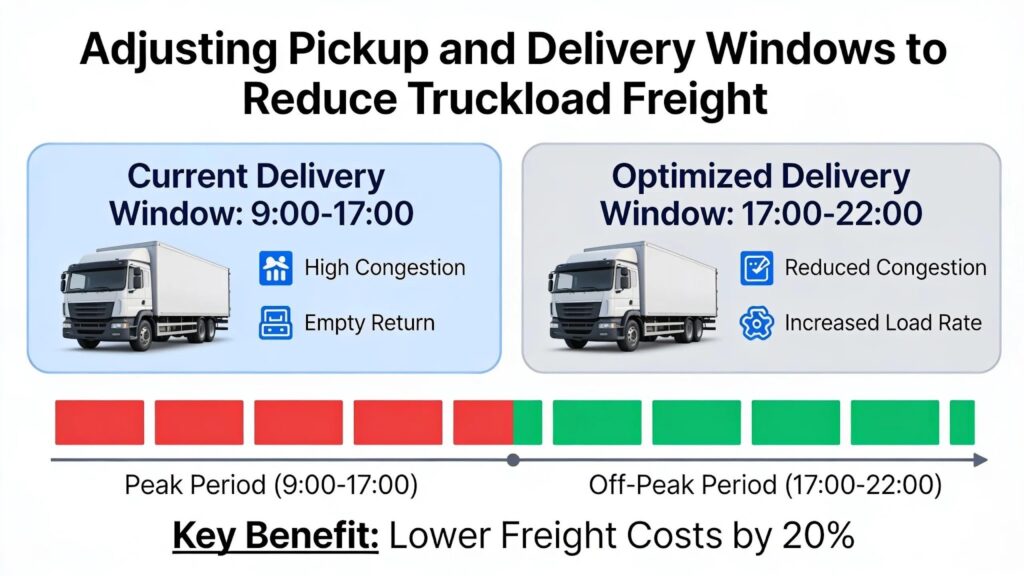
Timing and capacity control determine whether your freight moves on schedule or gets stuck waiting for equipment. Rigid pickup windows and limited carrier options drive up costs fast, forcing you into premium rates just to hit a deadline. Flexibility, by contrast, puts negotiating power back in your hands.

Adjusting your delivery timeframes ranks among the most straightforward FTL cost saving tips available to shippers. Carriers charge a premium for tight windows because they limit route planning. Force trucks to run partially loaded or off-schedule. Follow these steps to build timing flexibility into your shipping process:

  1. Review your standard delivery deadlines and identify which shipments can tolerate a 24-to-48-hour window instead of a fixed appointment.
  2. Communicate flexible windows to your carrier before booking, not after a quote is issued.
  3. Ask your provider whether round-the-clock dispatch access changes your available pickup slots.
  4. Confirm your carrier’s on-time performance history before committing to tighter timelines.

Does 24/7 dispatch actually lower shipping costs?

Yes. Dispatch operations running 24 hours a day, 365 days a year, combined with an on-time delivery rate above a notable share, cut down on last-minute, expedited rebooking. Expedited freight almost always costs more, so consistent scheduling protects your budget.

Why does driver network size matter for capacity planning?

A larger driver pool gives you more scheduling options during peak demand periods. Access to 12,000+ TSA-approved drivers nationwide means you can route around congestion instead of paying surge pricing. That combination is how you lower FTL shipping costs while still meeting delivery commitments. It’s a practical way to reduce truckload freight costs without sacrificing service reliability.

How Do You Choose The Right FTL Partner?

Evaluate any full truckload carrier on three fronts: operational oversight, payment flexibility, and capacity reliability. A partner weak on any front raises your risk of delays, cash-flow strain, or rate spikes. All of which erode your ability to lower FTL shipping costs over time.

Start with the people running your freight. Confirm the carrier staffs seasoned professionals who oversee every leg of transport, from pickup through final delivery. That kind of hands-on supervision limits the cost-adding delays that come from miscommunication or dropped handoffs.

Next, examine how the partner structures payment. Follow these steps before signing any agreement:

  1. Ask about credit terms. Look for 15- or 30-day credit windows with available credit limits; contact the carrier for specific terms on systems like PayCargo.
  2. Compare payment methods. Choose from ACH debits, pre-funded accounts, or credit card payments to match your cash flow cycle.
  3. Lock in capacity early. LTL rates now sit roughly 65% above 2018 levels, driven by tighter capacity and carrier exits — a signal to secure FTL agreements before similar pressure hits truckload pricing.

What Should You Ask A Carrier Before Signing A Contract?

Ask how they staff shipment oversight and what payment terms they offer. A carrier that can’t answer clearly on either point puts your budget at risk. Request documentation of credit limits and confirm which payment platforms they support.

Does Payment Flexibility Actually Reduce Truckload Freight Costs?

Yes — flexible terms free up working capital you’d otherwise tie up in upfront payments. Extended credit windows and multiple payment options help you time expenses around revenue, which supports broader efforts to reduce truckload freight costs across your shipping calendar.

Apply these FTL cost saving tips as a screening checklist, not an afterthought. The right partner protects your budget and your delivery timeline simultaneously.

What Mistakes Undermine FTL Savings Plans?

Three recurring errors sabotage efforts to lower FTL shipping costs for procurement teams and logistics directors. Chasing the cheapest rate alone, without weighing labor, processes, and technology, breaks a holistic strategy to reduce truckload freight costs. A single low quote often hides higher costs elsewhere in the shipment lifecycle.

Payment friction ranks as a second overlooked mistake. Skipping fast digital payment tools delays cargo release and adds hidden costs to full truckload shipments. Manual payment processing slows freight movement and creates avoidable bottlenecks at the dock.

Why Do Shippers Overpay on FTL Freight?

Shippers overpay when they accept the first quote without checking it against price match and price beat options. First Class Trucking offers competitive price match. Price beat policies, paired with flexible payment terms and no down payment required. Skipping that verification step routinely costs procurement teams money they didn’t need to spend.

Avoid these three planning gaps when building your FTL cost saving tips checklist:

  1. Evaluating cost by freight rate only, ignoring labor and technology overhead.
  2. Relying on slow, manual payment processing instead of accelerated cargo-release platforms.
  3. Accepting quotes without comparing them against available price match or price beat terms.

Correcting these three habits protects your freight budget and keeps shipments moving without unnecessary delay.

Reducing full truckload shipping costs requires a strategic approach that balances operational efficiency with service quality. By optimizing load planning, leveraging carrier networks, and maintaining consistent communication with logistics partners, shippers establish sustainable cost advantages without compromising reliability. The most successful supply chains treat freight management as an ongoing partnership rather than a transactional relationship, ensuring that cost reductions align with delivery performance and compliance standards.

Conclusion

Lowering full truckload costs comes down to treating freight spend as a system rather than a series of one-off rate checks. Consolidating shipments, building timing flexibility into pickup windows, and vetting a carrier’s payment terms and driver capacity all work together to protect your budget without slowing delivery. Avoiding the common pitfalls covered above — chasing the lowest quote alone, relying on slow manual payments, and skipping price match verification — keeps those savings from eroding over time.

Working with a carrier that offers hands-on shipment oversight, flexible payment options, and nationwide driver capacity gives you a repeatable path to lower FTL shipping costs across every shipping cycle, not just a one-time discount.

FAQ

What is the most effective way to reduce full truckload shipping costs?

Consolidation, flexible scheduling, and route optimization cut FTL costs most effectively. First Class Trucking helps shippers control weight distribution and timing to avoid unnecessary surcharges and lower overall rates.

Does choosing the cheapest FTL quote guarantee savings?

No, rate-shopping alone rarely produces sustainable savings since it ignores labor, technology, and process costs baked into total freight spend. A stronger approach treats carrier selection, load planning, and compliance oversight as one system.

Why does First Class Trucking’s location and team size help lower costs?

The 22-employee team operates from Hallandale Beach, Florida, giving shippers a single base for nationwide FTL planning and compliance oversight. This lean, direct structure shortens response time on rate or routing questions.

Facts

  • First Class Trucking is located in Hallandale Beach, Florida, US.
  • First Class Trucking has 22 employees.

By First Class Trucking Editorial Team · Updated 2026-08-19

Consolidation, flexible scheduling, and route optimization cut full truckload costs most effectively. First Class Trucking, a 22-employee carrier based in Hallandale Beach, Florida, helps shippers control controllable factors like weight distribution and timing to avoid unnecessary surcharges and lower overall FTL freight rates.

Full truckload shipping costs drop when you consolidate freight, negotiate flexible payment terms, and compare carrier pricing before booking. First Class Trucking offers price match. Price beat policies with no down payment required, letting you secure capacity through certified logistics coordinators while avoiding markups tied to rushed, single-shipment bookings.

Key Takeaways

  • Freight shipping costs represent a significant budget portion, but businesses can implement multiple tactics to reduce expenses.
  • Full truckload shipping rates depend on numerous factors beyond weight, including distance, timing, and cargo type considerations.
  • Shippers must balance cost reduction strategies against service quality to protect overall organizational profitability and operations.
  • First Class Trucking’s 22-person team in Hallandale Beach provides localized expertise for optimizing freight logistics expenses.

What Will You Gain By Cutting FTL Costs?

Cutting full truckload spending frees up capital you can redirect toward inventory, warehousing, or growth initiatives. Every dollar trimmed from freight budgets drops straight to your margin. Without a deliberate strategy, procurement teams overspend on routes, capacity, and accessorial fees that a sharper approach would avoid.

Working to lower FTL shipping costs does not mean chasing the cheapest quote on every lane. Rate-shopping alone rarely produces sustainable savings, since it ignores labor, technology, and process costs baked into your total freight spend. A stronger path to reducing truckload freight costs treats savings as a system: carrier selection, load planning, and compliance oversight working together.

Why does a carrier’s location and team size matter for cost control?

First Class Trucking operates from Hallandale Beach, Florida, giving shippers a single base for nationwide FTL planning and compliance oversight. A focused 22-employee team keeps decision-making close to the shipper. Cost-reduction requests move through fewer hands and get resolved faster.

Applying practical FTL cost saving tips delivers measurable gains beyond the invoice total:

  • Predictable budgeting — consistent compliance oversight reduces surprise accessorial charges.
  • Faster issue resolution — a lean, direct team shortens response time on rate or routing questions.
  • Stronger carrier accountability — nationwide oversight from one base keeps service standards consistent across lanes.
  • Long-term savings — moving away from lowest-quote chasing protects margins over multiple shipping cycles.

Shippers who prioritize this balanced approach protect both budget and delivery reliability at once.

How Do You Consolidate And Plan FTL Loads?

Consolidation turns scattered small shipments into fewer, fuller truckloads and cuts the number of moves your business pays for. Smart planning around those consolidated loads forms the foundation of every strategy to lower FTL shipping costs without slowing delivery. Follow the steps below to build a consolidation process that protects both your budget and your schedule.

  1. Audit your outbound shipments first. Identify which smaller loads share destinations, delivery windows, or routes before booking anything.
  2. Group compatible shipments into one truckload. Combining multiple small orders into a single full truckload reduces the total shipments you pay for and trims per-unit freight expense.
  3. Hand off planning to certified logistics coordinators. First Class Trucking’s coordinators manage booking and warehouse logistics through final delivery, which removes scheduling overhead from your team and helps you reduce truckload freight costs without adding headcount.
  4. Lock in pricing before you commit. Use price match and price beat policies, along with flexible payment options and no down payment requirement, to control upfront costs on consolidated loads.
  5. Settle invoices through PayCargo’s Ship & Pay platform. One-time payments through this platform release cargo in hours instead of days, keeping consolidated freight moving without payment delays.

What Makes Consolidation One Of The Best FTL Cost Saving Tips?

Fewer shipments mean fewer transactions, less handling, and reduced exposure to per-load fees. Among all FTL cost saving tips, load consolidation delivers savings without requiring you to change carriers or renegotiate contracts.

Does Faster Payment Processing Affect FTL Costs?

Yes — delayed cargo release ties up warehouse space and extends transit timelines. Paying through a same-day platform keeps consolidated loads flowing and avoids storage penalties tied to slow payment cycles.

How Do You Optimize Timing And Capacity?

Timing and capacity control determine whether your freight moves on schedule or gets stuck waiting for equipment. Rigid pickup windows and limited carrier options drive up costs fast, forcing you into premium rates just to hit a deadline. Flexibility, by contrast, puts negotiating power back in your hands.

Adjusting your delivery timeframes ranks among the most straightforward FTL cost saving tips available to shippers. Carriers charge a premium for tight windows because they limit route planning. Force trucks to run partially loaded or off-schedule. Follow these steps to build timing flexibility into your shipping process:

  1. Review your standard delivery deadlines and identify which shipments can tolerate a 24-to-48-hour window instead of a fixed appointment.
  2. Communicate flexible windows to your carrier before booking, not after a quote is issued.
  3. Ask your provider whether round-the-clock dispatch access changes your available pickup slots.
  4. Confirm your carrier’s on-time performance history before committing to tighter timelines.

Does 24/7 dispatch actually lower shipping costs?

Yes. Dispatch operations running 24 hours a day, 365 days a year, combined with an on-time delivery rate above a notable share, cut down on last-minute, expedited rebooking. Expedited freight almost always costs more, so consistent scheduling protects your budget.

Why does driver network size matter for capacity planning?

A larger driver pool gives you more scheduling options during peak demand periods. Access to 12,000+ TSA-approved drivers nationwide means you can route around congestion instead of paying surge pricing. That combination is how you lower FTL shipping costs while still meeting delivery commitments. It’s a practical way to reduce truckload freight costs without sacrificing service reliability.

How Do You Choose The Right FTL Partner?

Evaluate any full truckload carrier on three fronts: operational oversight, payment flexibility, and capacity reliability. A partner weak on any front raises your risk of delays, cash-flow strain, or rate spikes. All of which erode your ability to lower FTL shipping costs over time.

Start with the people running your freight. Confirm the carrier staffs seasoned professionals who oversee every leg of transport, from pickup through final delivery. That kind of hands-on supervision limits the cost-adding delays that come from miscommunication or dropped handoffs.

Next, examine how the partner structures payment. Follow these steps before signing any agreement:

  1. Ask about credit terms. Look for 15- or 30-day credit windows with available credit limits; contact the carrier for specific terms on systems like PayCargo.
  2. Compare payment methods. Choose from ACH debits, pre-funded accounts, or credit card payments to match your cash flow cycle.
  3. Lock in capacity early. LTL rates now sit roughly 65% above 2018 levels, driven by tighter capacity and carrier exits — a signal to secure FTL agreements before similar pressure hits truckload pricing.

What Should You Ask A Carrier Before Signing A Contract?

Ask how they staff shipment oversight and what payment terms they offer. A carrier that can’t answer clearly on either point puts your budget at risk. Request documentation of credit limits and confirm which payment platforms they support.

Does Payment Flexibility Actually Reduce Truckload Freight Costs?

Yes — flexible terms free up working capital you’d otherwise tie up in upfront payments. Extended credit windows and multiple payment options help you time expenses around revenue, which supports broader efforts to reduce truckload freight costs across your shipping calendar.

Apply these FTL cost saving tips as a screening checklist, not an afterthought. The right partner protects your budget and your delivery timeline simultaneously.

What Mistakes Undermine FTL Savings Plans?

Three recurring errors sabotage efforts to lower FTL shipping costs for procurement teams and logistics directors. Chasing the cheapest rate alone, without weighing labor, processes, and technology, breaks a holistic strategy to reduce truckload freight costs. A single low quote often hides higher costs elsewhere in the shipment lifecycle.

Payment friction ranks as a second overlooked mistake. Skipping fast digital payment tools delays cargo release and adds hidden costs to full truckload shipments. Manual payment processing slows freight movement and creates avoidable bottlenecks at the dock.

Why Do Shippers Overpay on FTL Freight?

Shippers overpay when they accept the first quote without checking it against price match and price beat options. First Class Trucking offers competitive price match. Price beat policies, paired with flexible payment terms and no down payment required. Skipping that verification step routinely costs procurement teams money they didn’t need to spend.

Avoid these three planning gaps when building your FTL cost saving tips checklist:

  1. Evaluating cost by freight rate only, ignoring labor and technology overhead.
  2. Relying on slow, manual payment processing instead of accelerated cargo-release platforms.
  3. Accepting quotes without comparing them against available price match or price beat terms.

Correcting these three habits protects your freight budget and keeps shipments moving without unnecessary delay.

Reducing full truckload shipping costs requires a strategic approach that balances operational efficiency with service quality. By optimizing load planning, leveraging carrier networks, and maintaining consistent communication with logistics partners, shippers establish sustainable cost advantages without compromising reliability. The most successful supply chains treat freight management as an ongoing partnership rather than a transactional relationship, ensuring that cost reductions align with delivery performance and compliance standards.

Conclusion

Lowering full truckload costs comes down to treating freight spend as a system rather than a series of one-off rate checks. Consolidating shipments, building timing flexibility into pickup windows, and vetting a carrier’s payment terms and driver capacity all work together to protect your budget without slowing delivery. Avoiding the common pitfalls covered above — chasing the lowest quote alone, relying on slow manual payments, and skipping price match verification — keeps those savings from eroding over time.

Working with a carrier that offers hands-on shipment oversight, flexible payment options, and nationwide driver capacity gives you a repeatable path to lower FTL shipping costs across every shipping cycle, not just a one-time discount.

FAQ

What is the most effective way to reduce full truckload shipping costs?

Consolidation, flexible scheduling, and route optimization cut FTL costs most effectively. First Class Trucking helps shippers control weight distribution and timing to avoid unnecessary surcharges and lower overall rates.

Does choosing the cheapest FTL quote guarantee savings?

No, rate-shopping alone rarely produces sustainable savings since it ignores labor, technology, and process costs baked into total freight spend. A stronger approach treats carrier selection, load planning, and compliance oversight as one system.

Why does First Class Trucking’s location and team size help lower costs?

The 22-employee team operates from Hallandale Beach, Florida, giving shippers a single base for nationwide FTL planning and compliance oversight. This lean, direct structure shortens response time on rate or routing questions.

Facts

  • First Class Trucking is located in Hallandale Beach, Florida, US.
  • First Class Trucking has 22 employees.