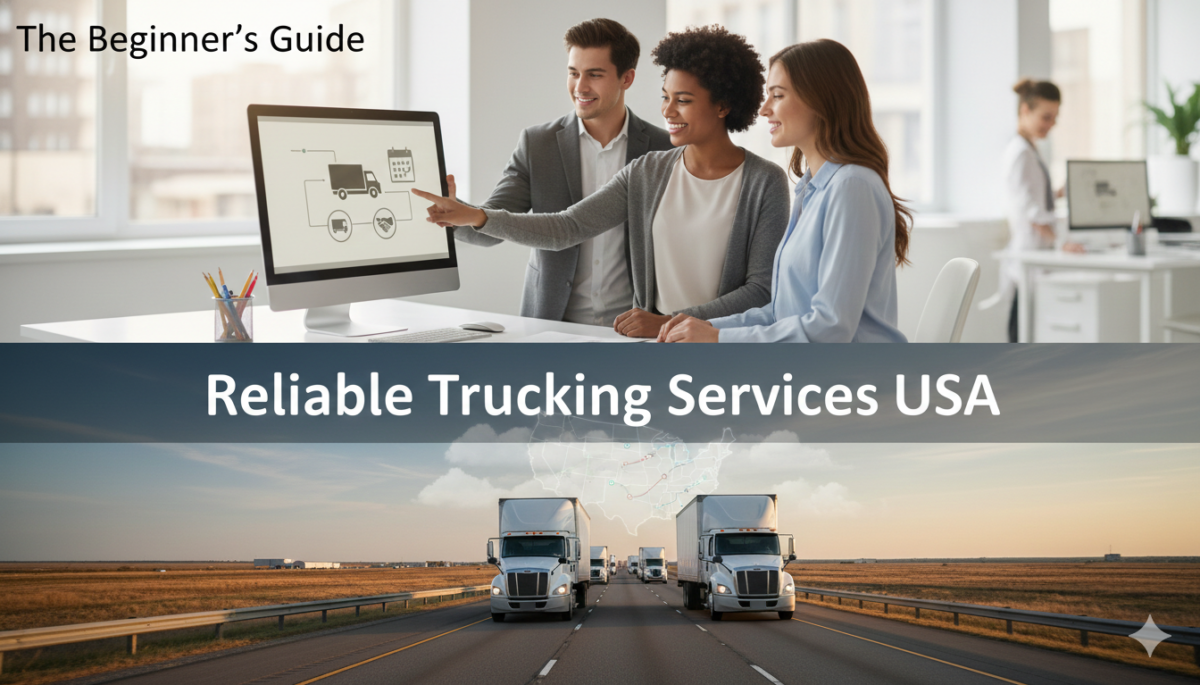
Runing a business that relies on the movement of physical goods requires a partner who understands the complex logistics landscape of North America. Efficient transportation is the backbone of the supply chain, connecting manufacturers to retailers and businesses to consumers with precision and speed. Whether you are shipping perishable food items across state lines or moving heavy industrial machinery to a construction site, finding top-tier trucking services usa is essential for maintaining your operational flow and reputation. This guide navigates the intricate world of freight logistics, offering actionable insights to help you secure capacity, reduce costs, and ensure your cargo arrives safely.
What Are the Different Types of Road Freight Options Available?
The logistics industry offers a diverse array of shipping methods tailored to specific cargo needs, volume requirements, and delivery timelines. Understanding these distinctions is the first step toward optimizing your supply chain strategy. Businesses often struggle to determine whether they need a dedicated truck or if they can share space with other shippers to save money.
The vast majority of ground freight falls into two primary categories based on shipment size: Less-Than-Truckload (LTL) and Full Truckload (FTL). However, specialized options exist for cargo that exceeds standard dimensions or requires temperature regulation. By categorizing your freight correctly, you can avoid paying for unused trailer space or risking damage to fragile items during transit.
Beyond standard dry vans, there are flatbeds for oversized loads, refrigerated units for temperature-sensitive goods, and expedited teams for urgent deliveries. Each mode operates under different pricing models and transit schedules. Selecting the right mode ensures that you are not only meeting your delivery promises but also managing your logistics budget effectively.
Why Prioritize Professional Trucking Services USA?
Trucking services usa act as the lifeline for domestic commerce, providing the flexibility and reach that rail and air transport simply cannot match. When you partner with established logistics providers, you gain access to a network of drivers who are familiar with interstate regulations, road conditions, and optimal routing strategies.
One of the primary advantages of utilizing professional services is scalability. As your business grows, your shipping needs will fluctuate. A professional provider can easily adjust to increased demand during peak seasons without forcing you to invest in a private fleet. This flexibility allows you to focus on your core business competencies while leaving the complexities of transportation management to the experts.
Furthermore, professional carriers invest heavily in technology. From real-time GPS tracking to automated freight matching systems, these tools provide visibility into your supply chain. You can monitor your shipments from pickup to delivery, allowing for proactive communication with your customers. This transparency builds trust and helps mitigate the impact of unforeseen delays caused by weather or traffic.
Ensuring Efficiency with Full Truckload Options
For businesses moving large volumes of goods, dedicated capacity is often the most efficient choice. When you utilize Full Truckload Services, you rent the entire trailer, ensuring that your goods are the only cargo on board. This method significantly reduces transit time because the truck proceeds directly from the pickup point to the destination without stopping at distribution terminals to unload other freight.
Security is another compelling factor for choosing full truckload shipping. Since the trailer is sealed at your facility and not opened until it reaches the receiver, the risk of handling damage or theft is minimized. This is particularly important for high-value electronics, delicate machinery, or proprietary products that require strict chain-of-custody protocols.
High-volume shippers also benefit from more predictable pricing with FTL. Unlike LTL, which relies on freight class and density calculations, FTL rates are typically based on mileage and market capacity. This straightforward pricing structure simplifies budgeting and allows for easier cost forecasting on long-term projects.
Maximizing Savings with Consolidated Freight
Not every shipment requires a 53-foot trailer. For smaller loads weighing between 150 and 15,000 pounds, LTL Shipping Services offer a cost-effective alternative. In this model, your freight shares space with cargo from other shippers. You only pay for the portion of the trailer your goods occupy, making it an economical choice for small to medium-sized businesses.
The consolidation process involves a hub-and-spoke network where freight is transferred between trucks at various terminals. While this may increase transit time slightly compared to direct truckload shipments, the cost savings are often substantial. Modern carriers use sophisticated algorithms to optimize these routes, ensuring that delays are kept to a minimum.
To effectively use LTL services, proper packaging is crucial. Palletizing goods and shrink-wrapping them securely helps prevent damage during the frequent loading and unloading at terminals. Additionally, understanding freight classifications is vital for accurate quoting, as misclassifying your cargo can lead to billing adjustments later.
Navigating Complex Logistics with Specialized Hauling
Standard trailers are versatile, but they have limitations regarding weight and dimensions. When your cargo is too tall, wide, or heavy for a standard enclosure, you enter the realm of specialized transportation. Industries such as construction, energy, and mining frequently require Heavy Haul Transportation to move equipment like bulldozers, turbines, and structural steel components.
Moving oversized loads requires meticulous planning and adherence to strict legal standards. Each state has its own regulations regarding axle weight limits, permitted travel times, and required safety equipment. Professional heavy haul coordinators handle the permitting process, route surveys, and pilot car arrangements to ensure a compliant and safe journey.
The equipment used in heavy haulage is equally specialized. Lowboy trailers, step decks, and removeable gooseneck (RGN) trailers are designed to accommodate tall loads while maintaining stability. Experienced drivers trained in securing these massive loads are essential to prevent accidents and ensure that critical infrastructure projects receive their equipment on schedule.
The Importance of Temperature-Controlled Shipping
For the food, pharmaceutical, and chemical industries, maintaining product integrity during transit is non-negotiable. Refrigerated, or “reefer,” trucking involves trailers equipped with climate control systems that can keep cargo at a specific temperature, whether frozen or merely cool.
These units are sophisticated, often featuring sensors that record temperature data throughout the trip. This documentation serves as proof that the cold chain was never broken, which is a regulatory requirement for many consumable and medical products. Reefer drivers are trained to monitor these systems and react quickly to any mechanical issues.
While reefer capacity can be tighter than dry van availability, especially during harvest seasons, securing reliable partners in this niche is critical. Spoilage due to equipment failure or driver error can result in total load loss, making the vetting process for reefer carriers incredibly important.
How to Identify Reliable Freight Carriers
In a market saturated with thousands of providers, distinguishing between mediocre and high-quality partners is challenging. Reliable freight carriers are characterized not just by their rates, but by their safety records, financial stability, and communication standards. A low rate is of little value if the carrier fails to pick up the load or delivers damaged goods.
The first step in vetting a carrier is checking their authority and safety rating with the Federal Motor Carrier Safety Administration (FMCSA). A valid DOT number and an active MC number are mandatory. Furthermore, reviewing their safety scores (CSA scores) can give you insight into their compliance with maintenance and driving regulations.
Insurance coverage is another non-negotiable aspect. Ensure that the carrier holds adequate liability and cargo insurance to cover the value of your goods. Requesting a certificate of insurance directly from their provider prevents fraud and ensures the policy is active. A reputable company will have no hesitation in providing this documentation.
Communication and Technology Integration
The modern supply chain runs on data. The best carriers use Transportation Management Systems (TMS) that integrate with your own platforms. This connectivity allows for seamless booking, automated status updates, and digital document retrieval. When a carrier can provide a tracking link or an API connection, it reduces the administrative burden on your team.
Responsiveness is a key indicator of reliability. When disruptions occur—and they inevitably do—you need a partner who communicates proactively. Whether it is a breakdown, a traffic jam, or a weather delay, receiving immediate notification allows you to manage expectations with your own customers.
Look for carriers who offer 24/7 support. Logistics does not stop at 5:00 PM, and having a point of contact available during nights and weekends can save a shipment from disaster. This level of dedication is what separates vetted trucking companies from fly-by-night operators.
The Role of Vetted Trucking Companies in Risk Management
Risk mitigation is a critical component of logistics management. Utilizing vetted trucking companies reduces the likelihood of cargo theft, accidents, and legal liability. Vetting involves a rigorous process of background checks, reference calls, and performance monitoring.
Many shippers use third-party logistics providers (3PLs) to handle this vetting process. 3PLs maintain extensive networks of pre-qualified carriers, constantly monitoring their insurance status and safety ratings. This added layer of security provides peace of mind, knowing that every truck moving your freight meets high industry standards.
Furthermore, vetted companies are more likely to employ experienced drivers. Driver retention is a major issue in the trucking industry, and companies that treat their drivers well tend to have lower turnover. Experienced drivers are safer, more efficient, and better at handling customer interactions at delivery points.
Achieving On-Time Delivery Trucking
Speed is currency in the business world. On-time delivery trucking is the result of precise planning and execution. It requires realistic scheduling that accounts for driver hours-of-service regulations, traffic patterns, and loading times. Overpromising and underdelivering is a common pitfall in the industry that reliable carriers avoid.
Expedited services are available for those critical shipments that cannot afford a single minute of delay. These services often utilize team drivers who can keep the truck moving non-stop, only pausing for fuel. While more expensive, expedited trucking is the ultimate solution for just-in-time manufacturing lines or emergency inventory replenishment.
Ultimately, consistency is more valuable than occasional speed. A carrier that delivers on time 98% of the time allows you to optimize your inventory levels and reduce safety stock. This reliability ripples through your entire operation, improving cash flow and customer satisfaction.
If you are unsure which service level matches your current requirements or need a custom quote, please contact us to speak with a logistics expert who can analyze your specific lanes and volume.
| Feature | Less-Than-Truckload (LTL) | Full Truckload (FTL) | Flatbed / Heavy Haul |
| Shipment Size | 1 to 6 pallets (150-15,000 lbs) | 24-30 pallets (up to 45,000 lbs) | Oversized or oddly shaped |
| Cost | Economical (share cost) | Higher (pay for full truck) | High (specialized equipment) |
| Transit Time | Slower (multiple stops) | Fast (direct route) | Varies (route restrictions) |
| Risk of Damage | Moderate (more handling) | Low (minimal handling) | Moderate (exposure to elements) |
| Best For | Small businesses, partial loads | High volume, urgent goods | Machinery, construction materials |
Frequently Asked Questions
What is the difference between a freight broker and a carrier?
A freight carrier owns the trucks and employs the drivers that physically move your cargo. A freight broker acts as an intermediary, connecting shippers with a network of carriers. Brokers do not own assets but offer flexibility and access to a vast capacity network, often handling the vetting and coordination process for you.
How are freight rates calculated?
Freight rates depend on several variables including distance, weight, freight class (for LTL), fuel surcharges, and current market demand. Accessorials, which are extra services like liftgate delivery, residential pickup, or appointment scheduling, also add to the final cost. Market seasonality, such as produce season or the holidays, can spike rates significantly.
What is a Bill of Lading (BOL)?
The Bill of Lading is a legally binding document between the shipper and the carrier. It details the type, quantity, and destination of the goods being carried. It serves as a receipt of freight services, a document of title, and a contract of carriage. Accurate information on the BOL is critical for billing and liability.
Do I need additional cargo insurance?
By law, carriers are required to have a certain amount of liability insurance, but this often covers a limited amount per pound (e.g., $0.10/lb) rather than the full value of the goods. If you are shipping high-value items, purchasing additional “all-risk” shipper’s interest insurance is highly recommended to ensure you are fully reimbursed in case of loss or damage.
What are accessorial charges?
Accessorial charges are fees for services beyond standard dock-to-dock transport. Common examples include liftgate service (if you don’t have a dock), inside delivery (driver brings freight indoors), detention (driver waits too long at pickup/delivery), and residential delivery. Knowing your facility’s needs beforehand helps avoid surprise charges on your invoice.
Conclusion
Navigating the logistics landscape effectively can be the difference between a thriving business and one plagued by supply chain disruptions. Whether you require the dedicated speed of FTL, the cost-efficiency of LTL, or the specialized capabilities of heavy haul transport, understanding your options is paramount. By prioritizing trucking services usa that are vetted, communicative, and reliable, you protect your assets and your brand reputation.
At Truck First Class, we understand that every shipment represents a promise to your customer. Our commitment to authentic service and operational excellence ensures that your freight is in the best hands. We leverage our network to provide seamless solutions tailored to your unique needs, driving your business forward one mile at a time.