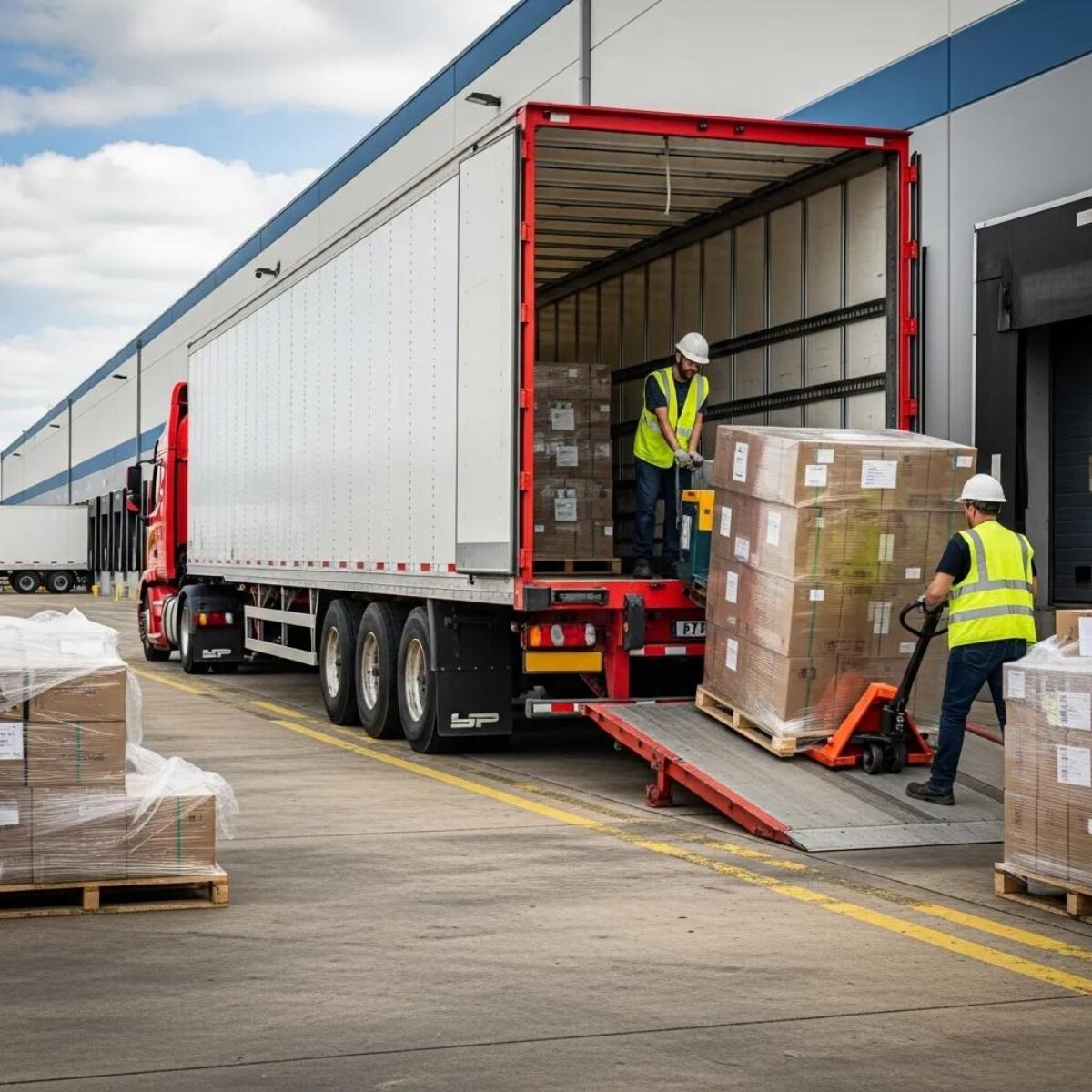
Trucking company services cover the movement and handling of freight across the supply chain. Carriers provide tailored options that balance cost, speed, cargo characteristics and regulatory compliance. This guide walks through the main service types—Full Truckload (FTL), Less Than Truckload (LTL), flatbed and oversized hauling, refrigerated (reefer) transport, warehousing, and cross-border operations—so logistics leaders can match freight needs to the right solution. You’ll learn how each service works, the equipment and permits commonly required, and the practical trade-offs between price, transit time and risk. We’ll also highlight how modern capabilities—real-time freight tracking, certified logistics coordinators and specialized equipment—shape service selection. First we define FTL and LTL mechanics, then cover flatbed and refrigerated specialties, review warehousing and inventory workflows, and close with geographic and cross-border considerations that affect routing and compliance. Target keywords like cargo transportation, logistics solutions, full truckload freight, less than truckload, flatbed trucking heavy haul, refrigerated trucking, and warehousing solutions are woven into the guide to help you compare options and choose the best path for your shipment.
What Are Full Truckload Shipping Services?
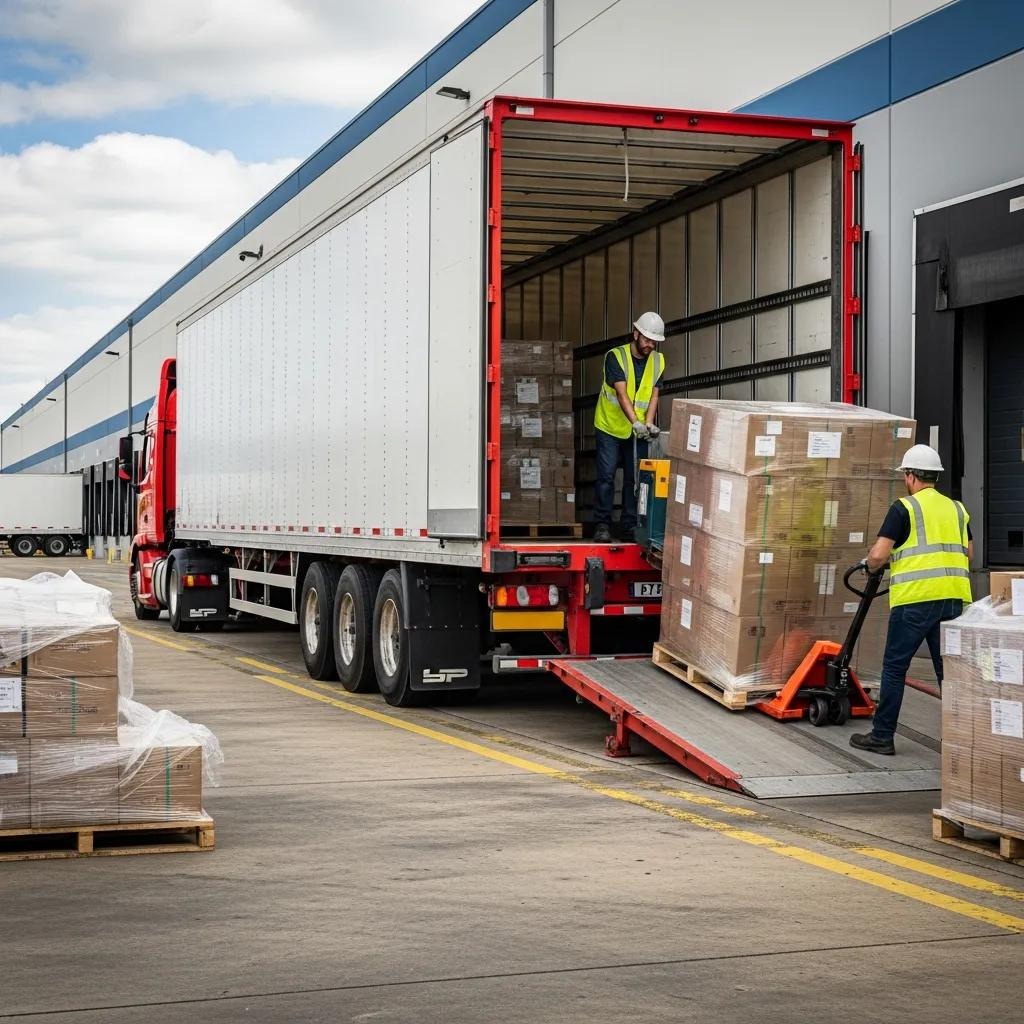
Full Truckload (FTL) shipping assigns a dedicated trailer to a single shipper for an origin-to-destination move, reducing handling and often shortening transit time. Because one customer’s freight fills the trailer, FTL limits touchpoints, gives better pickup and delivery control, and lowers damage risk for large or time-sensitive loads. Common FTL equipment includes dry vans, reefers and flatbeds, chosen to match cargo size, weight and environmental needs. FTL is usually the right choice when your shipment fills most of a trailer, when speed or security matters, or when fragile or high‑value cargo needs minimal handling. The table below clarifies how FTL subtypes differ by payload, typical cargo and pricing drivers to help you select the right mode.
| Subtype | Characteristic | Typical Value |
| Dry Van FTL | Enclosed, general-purpose cargo carriage | Up to 45,000 lbs; general merchandise and palletized retail goods |
| Reefer FTL | Active temperature control and monitoring | Up to 44,000 lbs; perishable foods and pharmaceuticals; temperature setpoint and energy use influence price |
| Flatbed FTL | Open-deck handling for oversized or heavy items | High dimensional cargo; construction materials and machinery; permitting and escorts raise cost |
This comparison shows that equipment and operational needs drive FTL pricing and transit planning, and it leads into the operational benefits FTL delivers for large shipments.
How Does Full Truckload Shipping Benefit Large Freight Shipments?
FTL helps large shipments by delivering faster door-to-door transit, fewer handling events and more predictable schedules compared with consolidated services. Fewer touches reduce damage risk—important for fragile machinery, high-value retail loads or time-sensitive production materials. Shippers also get tighter control over pickup and delivery windows, which supports synchronized production and distribution. For example, a plant shipping a single large equipment module will typically see steadier transit times and simpler claims handling with FTL, lowering downstream inventory and scheduling risk. Those operational advantages point to the cargo types that best suit FTL.
What Types of Cargo Are Transported via FTL?
FTL commonly moves high-volume retail shipments, bulk raw materials, single-customer large loads and freight that’s impractical or risky to split. Sectors like automotive, heavy manufacturing and big-box retail rely on dry van or specialized FTL to move palletized goods, production inputs or full machine components. Perishables and pharmaceuticals travel in reefer FTL where temperature control and telemetry protect product integrity. Oversized loads and heavy machinery use flatbed FTL with proper tie‑downs, permits and route planning. Understanding these cargo categories helps determine whether you need a dedicated trailer, specialized equipment or extra permits and escorts.
As a market example, First Class Trucking Corp. offers FTL across multiple equipment types and combines certified logistics coordinators with real-time cargo tracking to support dedicated shipments. When a load requires a dedicated trailer, those capabilities simplify scheduling and keep visibility high while minimizing handling risk.
How Do Less Than Truckload Freight Services Work?
Less Than Truckload (LTL) consolidates several shippers’ partial loads into one trailer to optimize cost per shipment while accepting longer transit and more handling. LTL uses a hub-and-spoke model: carriers pick up small shipments, move them to consolidation terminals, then assemble multi-stop linehaul loads for regional or long-haul moves. LTL pricing depends on freight class, weight, density, dimensions, distance and any accessorial services, with carriers quoting tariffs or negotiated rates based on those factors. LTL is usually the most economical option when a shipment won’t fill a trailer and the shipper can tolerate extra handling and slightly longer lead times. The table below summarizes LTL attributes to show when consolidation offers savings.
| Attribute | Description | Typical Impact |
| Shipment Size | Pallet count and cubic feet | Smaller pallets favor LTL to avoid paying for unused trailer space |
| Pricing Factors | Class, weight, density, distance | Higher density or lower class lowers LTL rates; distance affects linehaul cost |
| Transit Time | Terminal stops and sorting | Slower than FTL; suited for non-urgent partial loads |
Knowing how consolidation works helps shippers judge whether LTL’s cost savings outweigh the trade-offs in transit time and handling exposure, and it leads into LTL’s practical benefits for partial shipments.
What Are the Advantages of LTL for Partial Shipments?
LTL delivers cost efficiency for partial loads by allocating trailer space among multiple shippers so each pays only for the space they use. That reduces inventory carrying costs for businesses with intermittent or variable demand, letting smaller manufacturers and e-commerce sellers maintain frequent deliveries without the expense of a full truck. LTL also provides flexible routing and access to regional delivery networks without a dedicated fleet. The trade-offs are increased handling points and potentially longer transit times, so businesses must weigh savings against product fragility and delivery timelines. These benefits set up a direct comparison between LTL and FTL when choosing a freight mode.
How Does LTL Compare to Full Truckload Shipping?
The LTL vs. FTL decision comes down to cost versus speed and handling risk: LTL is generally cheaper for smaller shipments but involves more touchpoints; FTL is faster and lowers damage risk by carrying a single shipper’s freight. Key criteria include shipment volume (full-trailer threshold), delivery urgency, product value and packaging strength. For time‑critical or fragile goods, FTL often makes sense despite higher cost. Other factors—lane density and shipment frequency—can justify contract FTL or hybrid solutions to balance cost and service. Evaluating these elements helps shippers pick the service that matches their operational priorities.
For companies comparing options, First Class Trucking Corp. provides LTL consolidation with competitive pricing and terminal coordination, showing how consolidated networks and certified logistics coordinators can improve rates and routing for partial loads.
What Specialized Services Do Flatbed Transportation Companies Offer?
Flatbed transportation handles open-deck hauling for oversized, overweight and irregular freight that won’t fit inside enclosed trailers. These services pair specialized trailers—standard flatbeds, step decks and double-drop units—with securement systems like winches, chains and edge protection. Oversized moves often require permits, pilot cars or escorts and detailed route surveys to avoid low bridges or weight-restricted roads, adding planning and cost versus standard van services. Safety and compliance for flatbed work include FMCSA-aligned securement standards, routine load inspections, driver training in heavy‑haul procedures and documented permitting workflows—practices that reduce claims and regulatory risk.
- Construction Materials: Structural steel, lumber and prefabricated panels that exceed enclosed trailer dimensions.
- Heavy Machinery: Excavators, presses and equipment needing open-deck loading and specialized tie‑downs.
- Modular Components: Prefabricated building modules and plant sections requiring oversized handling.
Those cargo categories show why specialized equipment and permitting are essential and lead into the specific oversized freight that typically requires flatbed transport.
Which Oversized and Heavy Cargo Require Flatbed Transport?
Typical oversized and heavy cargo needing flatbed transport includes construction machines, large steel coils, long pipe sections and prefabricated modules that exceed standard trailer height, width or length. Thresholds vary by jurisdiction, but freight that extends beyond trailer dimensions or weighs more than typical van payloads usually needs flatbed or heavy‑haul equipment and route permits. Examples include an 80‑foot pipe section or a 25‑ton excavator—both require specialized lifting gear, securement plans and careful center‑of‑gravity checks. Identifying these thresholds early reduces delays and permit errors; the next section explains how flatbed providers manage safety and compliance in transit.
How Do Flatbed Services Ensure Safety and Compliance?
Flatbed carriers manage safety through strict load securement methods, targeted driver training and proactive permitting and route planning that meet federal and state rules. Securement follows industry-standard tie‑down calculations, edge protection and periodic inspections during the trip to prevent shifting. Carriers also handle permit acquisition, determine pilot car needs and file route plans to avoid restricted roads; pre‑trip briefings and documentation are standard. Asking for securement plans, driver qualifications and permit copies helps shippers verify a provider’s capabilities and reduces the risk of fines or delays, which leads into the refrigerated transport section.
For heavy‑haul needs, First Class Trucking Corp. lists specialized flatbed capabilities and compliance processes as part of its offerings, showing how diversified fleets and certified logistics coordinators support complex oversized transports while meeting safety requirements.
What Are Refrigerated Trucking Solutions and Their Benefits?
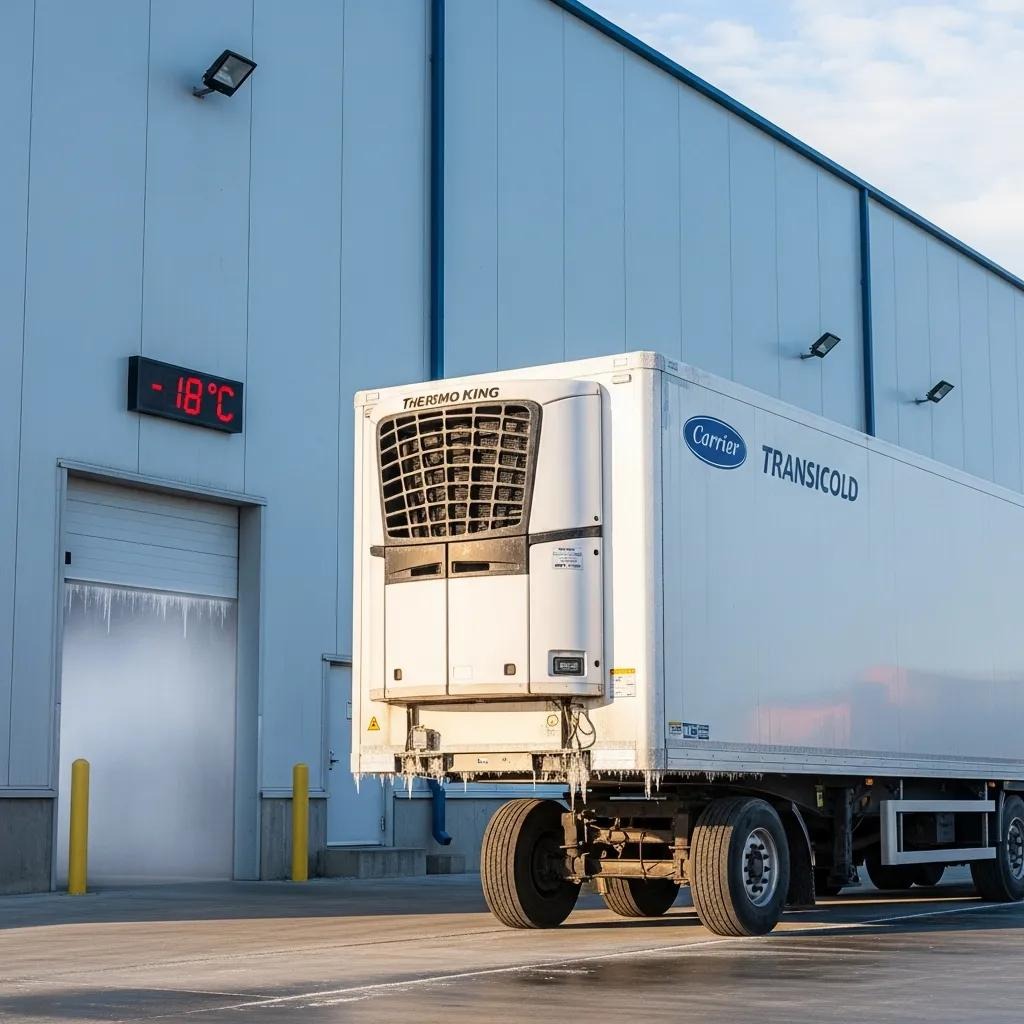
Refrigerated trucking (reefer transport) keeps trailers at controlled temperatures to protect perishable and temperature‑sensitive products in transit. Insulated trailers with active refrigeration units and monitoring systems maintain target setpoints for cargo such as fresh produce, frozen foods or pharmaceuticals, and telemetry/data logging creates records for quality assurance and regulatory compliance. The main benefits are reduced spoilage, extended shelf life and adherence to cold‑chain standards—critical for food safety and pharmaceutical integrity. Packaging and staging—pallet configuration, pre‑cooling and airflow management—also affect thermal performance. The table below outlines typical reefer temperature ranges, monitoring methods, industries served and basic packaging recommendations.
| Temperature Range | Monitoring Method | Industries Served | Packaging Recommendation |
| Frozen (-18°C to -23°C) | Continuous telemetry and data logging | Frozen foods, ice cream | Insulated pallets; dry ice where permitted |
| Chilled (0°C to 4°C) | Real-time remote monitoring and alarms | Fresh produce, dairy | Evenly spaced pallets to manage airflow |
| Controlled ambient (2°C to 8°C) | Event logging and exception reports | Pharmaceuticals, certain chemicals | Temperature-stable packaging and pre-cooling |
That comparison clarifies how temperature bands align with industry needs and monitoring practices, leading into operational methods for managing temperature-controlled freight.
How Is Temperature-Controlled Freight Managed?
Managing temperature‑sensitive freight requires coordination: pre‑cool trailers to target setpoints, stage goods in temperature‑stable areas and use active telemetry to monitor conditions en route. Shippers should precondition cargo and trailers, verify setpoints before departure and plan contingencies for refrigeration failure or power loss—such as re‑routing to nearby cold storage. Continuous data logging with exception alerts enables proactive responses to excursions and supports claims handling. Clear temperature logs and chain‑of‑custody records also help with regulatory audits and quality control, which is why these practices matter to the industries that rely on them.
Which Industries Rely on Refrigerated Trucking?
Refrigerated trucking serves food and beverage producers, cold‑chain pharmaceutical distributors, biotech firms and manufacturers of temperature‑sensitive chemicals. Fresh produce and dairy require narrow chilled bands to prevent spoilage and preserve texture; frozen foods depend on steady sub‑zero temperatures to avoid thaw‑refreeze cycles. Pharmaceuticals and certain biologics need precise control and validated monitoring to meet health regulations and preserve efficacy. The variety of needs underlines why certified logistics coordinators and real‑time freight tracking are essential for reefer shipments.
How Do Warehousing and Logistics Services Support Freight Transportation?
Warehousing and logistics services extend trucking by providing storage, inventory management, cross‑docking, pick‑and‑pack and value‑added services that keep goods flowing through the supply chain. Warehouses can serve as consolidation hubs for LTL, staging points for FTL departures or temperature‑controlled nodes for reefer freight—supporting just‑in‑time deliveries and cutting lead times. Inventory visibility through warehouse management systems and real‑time tracking supports demand forecasting, SKU‑level control and faster exception resolution. Strategic warehousing also provides security, heavy‑lift equipment like cranes for oversized loads and specialized handling for multimodal operations. Common warehousing services and when to use them are listed below.
- Short- and long-term secure storage: For seasonal stock or overflow inventory requiring protection and security.
- Cross-docking and consolidation: For fast-turn items that bypass long-term storage to minimize handling time.
- Pick, pack, and fulfillment services: For e-commerce and distribution operations needing order-level processing.
- Specialized handling and heavy-lift services: For oversized cargo requiring cranes, rigging and staging.
These warehousing functions reduce shipment complexity and improve responsiveness; the next section examines secure storage options in more detail.
| Service Type | Key Features | Typical Use Case |
| Secure Storage | Gated access, surveillance, inventory control | High-value goods and long-term storage |
| Cold Storage | Temperature control, alarmed zones | Perishables and pharmaceuticals |
| Heavy-Lift Services | Cranes, rigging, reinforced bays | Oversized machinery and heavy modules |
These warehousing capabilities support multimodal logistics and tie directly into how visibility and tracking improve operational performance.
What Warehousing Solutions Are Available for Secure Storage?
Secure warehousing options include surveillance and access controls, climate‑controlled areas for sensitive goods and designated zones for hazardous or high‑value inventory—designed to protect assets and meet regulatory needs. Heavy‑lift and rigging services let warehouses stage oversized shipments before onward trucking, while bonded or controlled environments support customs or temperature‑sensitive requirements. Choosing a warehouse depends on SKU characteristics, expected dwell time and handling complexity; matching warehouse features to cargo needs reduces damage risk and speeds fulfillment. Integrated tracking and a logistics coordinator further improve coordination between storage and transport functions, setting up the next discussion on real‑time tracking benefits.
How Does Real-Time Tracking Enhance Logistics Efficiency?
Real‑time freight tracking gives continuous visibility into location, temperature and status, enabling proactive exception management and more accurate ETAs for customers and operations teams. Visibility shortens delays by flagging deviations early so logistics coordinators can reroute or adjust plans before issues grow. Tracking data also powers performance metrics—on‑time rate, dwell time and claims frequency—and informs route optimization and carrier selection. When warehousing and trucking share continuous monitoring, shippers gain tighter control over inventory flow and clearer customer communication, which is especially valuable for cross‑border and multimodal shipments discussed next.
For businesses needing combined transportation and warehousing, First Class Trucking Corp. lists strategically located facilities with secure storage and heavy‑lift crane services, paired with real‑time cargo tracking and certified logistics coordinators to streamline multimodal logistics and reduce handling risk.
Which Geographic Areas Do Trucking Companies Typically Serve?
Trucking companies work across domestic lanes, regional networks and international corridors. Cross‑border services into Canada and Mexico introduce extra documentation, carrier authorizations and customs procedures. Domestic operations often focus on regional density and daily or next‑day deliveries; cross‑border lanes add customs declarations, permits and possible clearance delays. Carriers must navigate differing regulations, insurance and liability rules and administrative variations that affect routing and transit time. Understanding these geographic differences helps shippers plan lead times, choose carriers with cross‑border experience and prepare accurate paperwork to minimize disruptions.
- Customs Documentation: Commercial invoice, bill of lading and customs declarations that meet destination country rules.
- Carrier Qualifications: Proof of authority, adequate insurance and compliance with cross‑border licensing requirements.
- Routing and Permits: Pre‑cleared routes or oversized permits, plus contingency routes for border congestion.
These items capture the main administrative needs and lead into operational workflows for cross‑border shipments.
How Do Trucking Services Operate Across USA, Canada, and Mexico?
Cross‑border trucking follows coordinated steps: pre‑shipment documentation, vetting carriers for cross‑border authority, customs pre‑clearance where available, and route selection to limit border wait times. Carriers often use bonded facilities, freight forwarders or customs brokers to manage declarations and ensure import/export compliance. Transit times depend on inspection frequency, lane congestion and seasonal demand, so shippers should add buffer time for clearance. Consolidated planning and real‑time tracking help mitigate delays by alerting teams to border hold‑ups and enabling updated delivery estimates.
What Are the Challenges of Cross-Border Freight Transportation?
Typical challenges include customs clearance delays, paperwork mistakes, differing regulations and variability in inspections that can add time and cost. Language and time‑zone differences, coordinating carriers across jurisdictions and the need for specialized insurance or permits complicate operations and demand experienced coordinators. Mitigation strategies include pre‑validating documentation, using carriers with proven cross‑border experience, leveraging telemetry for visibility and keeping contingency routes ready. Advanced tracking and certified logistics coordinators reduce risk by providing transparent status, enabling quick exception responses and aligning stakeholders across borders.
First Class Trucking Corp.’s logistics coordinators and real‑time tracking capabilities demonstrate how experienced carriers manage cross‑border complexities and improve predictability for shippers on international lanes.
Frequently Asked Questions
What factors should I consider when choosing between FTL and LTL services?
Consider shipment size, delivery urgency and budget. FTL suits large shipments that fill a trailer—offering faster transit and fewer handling points. LTL is more cost‑effective for smaller loads but typically has longer transit times and more touches. Assess cargo fragility, required delivery windows and whether you can accept potential delays to pick the right option.
How do trucking companies ensure compliance with safety regulations?
Carriers maintain compliance through structured training, regular vehicle and load inspections, and strict adherence to federal and state rules. Drivers receive securement and safety training, vehicles are checked routinely, and companies keep records of permits, securement plans and driver qualifications to support audits. These practices reduce risk and help ensure safe operations for drivers and cargo.
What role does technology play in modern trucking services?
Technology improves efficiency, visibility and communication. Real‑time tracking lets shippers monitor location and condition, enhancing transparency and customer service. Logistics software optimizes routes and load planning to cut costs and transit times, while automated documentation reduces errors and delays. Together, these tools support smarter decision‑making and smoother operations.
What are the environmental impacts of trucking, and how are companies addressing them?
Trucking contributes to greenhouse gas emissions, fuel use and road wear. Companies respond by investing in fuel‑efficient vehicles, route optimization, and alternative fuels like electric or hybrid trucks. Driver training promotes eco‑friendly driving, and many firms participate in sustainability programs or carbon offset initiatives to lessen their environmental footprint.
How can I prepare my cargo for transportation to minimize damage?
Use proper packaging matched to your goods: sturdy boxes, pallets and protective materials to prevent movement and absorb shocks. Label packages clearly with handling instructions and destination details. For fragile items, use specialized cushioning like foam inserts. Share any special handling requirements with your carrier so loaders take the right precautions.
What are the benefits of using a logistics coordinator in trucking?
A logistics coordinator improves efficiency, communication and problem resolution. Coordinators handle scheduling, tracking and delivery details and act as a single point of contact for shippers. They quickly address transit issues—like delays or route changes—minimizing disruptions and keeping shipments on track.
Conclusion
Knowing the range of trucking services helps shippers choose solutions that fit their logistics needs. From Full Truckload (FTL) and Less Than Truckload (LTL) to specialized flatbed, refrigerated and warehousing options, each service brings distinct benefits for different cargo and delivery requirements. Use these insights to optimize your supply chain, lower costs and improve reliability. Explore our full suite of trucking and logistics solutions to find the right fit for your shipments.