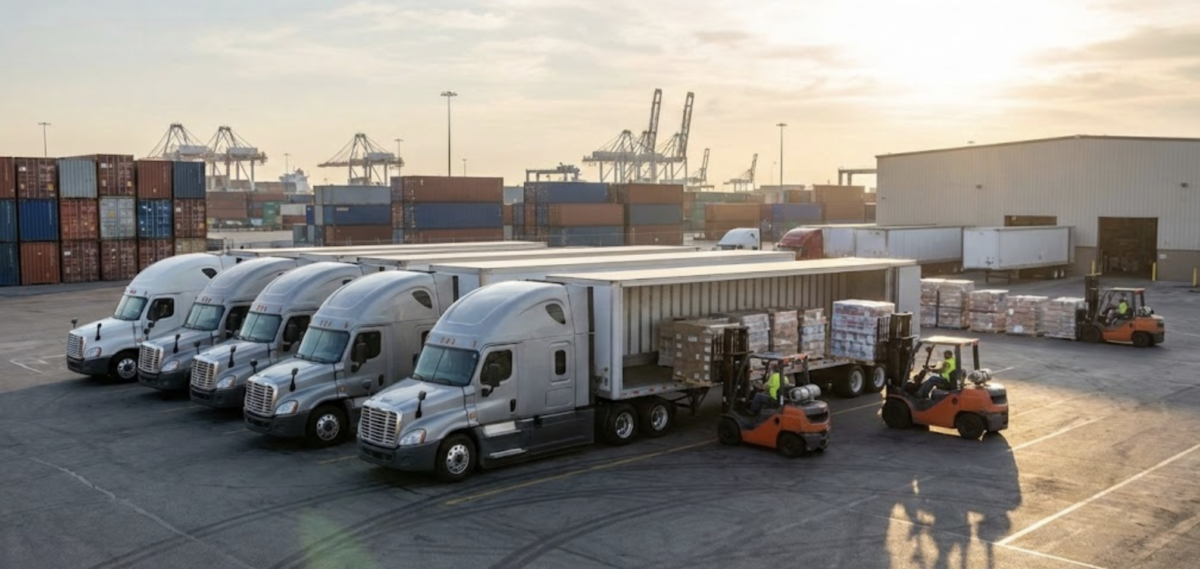
Retailers face immense pressure to keep shelves stocked and inventory moving efficiently from ports to distribution centers. When imported goods arrive, the journey is far from over, and the method of transport chosen for the final legs of the supply chain makes a significant difference in profitability and timing. Dry van shipping stands out as the most reliable and common method for moving non-perishable retail goods due to its security and versatility. Utilizing professional Trucking Services ensures that these high-volume shipments traverse the domestic landscape safely, arriving at warehouses or retail outlets without damage or delay.
Navigating the complexities of import freight requires a deep understanding of logistics, equipment, and route optimization. Retail imports, ranging from electronics and clothing to household goods, require protection from the elements and theft, which open-deck trailers simply cannot provide. By leveraging enclosed dry van trailers, businesses secure their supply chain against the unpredictability of the road. This article explores why this specific mode of transport is the backbone of retail logistics and how it supports successful import strategies.
What Are Dry Van Trucking Services and Why Are They Vital for Retail?
Dry van trucking refers to the movement of cargo in fully enclosed semi-trailers, typically 53 feet in length, which protects goods from the outside environment. Unlike flatbeds or refrigerated units, these trailers are designed specifically for dry, non-perishable goods that do not require temperature control. For the retail sector, this is the standard for moving the vast majority of consumer products found in stores today.
The vitality of this service lies in its ubiquity and standardization within the logistics industry. Retail supply chains rely on consistency, and dry van trailers offer a uniform space that is compatible with loading docks at ports, warehouses, and storefronts nationwide. This standardization reduces the time spent loading and unloading, which is critical when handling tight import schedules.
Furthermore, the “box” design of these trailers acts as a mobile warehouse, keeping products safe from rain, snow, wind, and road debris. For retailers importing high-value items like consumer electronics or textiles, this physical barrier is the first line of defense against loss and damage. It allows businesses to move massive quantities of stock in a single trip, maximizing efficiency and lowering the cost per unit of transport.
Optimizing Retail Supply Chains with Professional Trucking Services
Efficiency in retail logistics is not just about speed but about the seamless integration of various transport stages. Professional Trucking Services play a pivotal role in connecting the dots between arrival ports and final destinations. When a container ship docks, the cargo must be swiftly transloaded or moved via drayage to distribution hubs, where dry vans take over for the long-haul or regional delivery.
A seamless transition from port to highway requires a logistics partner who understands the urgency of retail timelines. Delays at the port can lead to stockouts, which directly impact revenue and customer satisfaction. By utilizing dedicated trucking fleets, retailers gain better control over their inventory flow, ensuring that seasonal merchandise reaches the floor before the trend passes or the holiday season ends.
The optimization process also involves strategic route planning and load consolidation. Experienced dispatchers and logistics managers use advanced software to minimize empty miles and reduce fuel consumption. This level of organization is what separates basic freight movement from a truly optimized supply chain strategy that adds value to the retail operation, especially along Major Trucking Routes.
For businesses looking to streamline their domestic distribution, partnering with a provider that specializes in comprehensive Trucking Services is essential. These experts can handle the intricacies of cross-docking and multi-stop deliveries, ensuring that inventory is allocated correctly across a network of stores.
Key Benefits of Dry Van for Import Freight
The primary advantage of dry van shipping for retail imports is the superior protection it offers against environmental factors. When goods travel hundreds or thousands of miles across the country, they encounter varying weather conditions. An enclosed trailer ensures that a storm in the Midwest does not ruin a shipment of clothing destined for the East Coast.
Security is another critical benefit, particularly for retail goods that are often targets for theft. Dry van trailers can be locked and sealed, providing a secure environment for cargo during rest stops and overnight parking. This added layer of security gives importers peace of mind, knowing that their substantial investment is protected from pilferage and tampering throughout the transit process.
Versatility allows these trailers to haul almost any type of packaged freight, from palletized boxes to loose cartons. This flexibility makes it easier for retailers to mix different types of products in a single shipment, optimizing space and reducing shipping costs. Whether moving heavy furniture or light paper products, the dry van can accommodate the load as long as it stays within weight limits.
For companies with substantial inventory needs, leveraging Full Truckload Services maximizes the capacity of these trailers. Filling a dry van completely is generally the most cost-effective way to ship, as it reduces the handling of goods and speeds up transit times by eliminating intermediate stops.
Challenges in Retail Import Logistics
Despite the efficiency of dry van trucking, the retail import sector faces significant challenges, primarily revolving around port congestion. When large volumes of imports arrive simultaneously, it creates bottlenecks that can stall the movement of freight for days or weeks. This congestion often leads to demurrage and detention charges, adding unexpected costs to the bottom line.
Driver shortages continue to impact the capacity of the trucking industry, making it difficult at times to secure transport on short notice. Retailers must plan further ahead than ever before to ensure they have the necessary assets to move their goods once they clear customs. This requires close collaboration between importers and their logistics providers to forecast demand accurately.
Seasonality adds another layer of complexity, with peaks in shipping volume occurring before major holidays. During these times, capacity tightens, and rates can fluctuate wildly. Successful retailers mitigate this risk by maintaining strong relationships with reliable carriers who can guarantee capacity even when the market is squeezed.
Selecting the Right Partner for Your Trucking Services
Choosing the right logistics partner is perhaps the most critical decision a retailer can make to ensure their supply chain runs smoothly. A competent provider offers more than just drivers and trucks; they offer visibility and communication. Modern tracking technology allows retailers to see exactly where their freight is in real-time, enabling proactive communication with store managers and customers.
Experience in handling retail compliance standards is also a must. Many major retailers have strict delivery windows and packaging requirements. A trucking company familiar with these vendor compliance manuals can avoid costly chargebacks and rejected deliveries, ensuring that the relationship between the supplier and the retailer remains positive.
It is crucial to work with a carrier that prioritizes safety and maintenance. Well-maintained equipment breaks down less often, reducing the risk of delays caused by mechanical failure. When you are ready to upgrade your logistics strategy, please Contact us to discuss how we can tailor a transportation solution to your specific import needs.
Comparing Freight Options for Retail
To understand why dry van is often the superior choice for retail imports, it helps to compare it with other common freight methods.
| Feature | Dry Van | Refrigerated (Reefer) | Flatbed |
| Protection | Fully Enclosed (Weather/Theft) | Fully Enclosed (Temp Control) | Open (Exposed to Elements) |
| Cost | Low to Moderate | High | Moderate to High |
| Capacity | Standard Pallets/Boxes | Slightly Less (Insulation walls) | Large/Odd-shaped items |
| Best For | Clothing, Electronics, Home Goods | Perishable Food, Pharma | Lumber, Machinery, Construction |
| Availability | High availability nationwide | Moderate availability | Specialized availability |
Conclusion
Dry van trucking remains the undisputed champion for transporting retail import freight across North America. Its combination of security, cost-effectiveness, and versatility makes it the ideal choice for businesses dealing in non-perishable consumer goods. By understanding the nuances of the supply chain and leveraging professional Trucking Services, retailers can overcome the challenges of import logistics and ensure their products arrive on time and in perfect condition.
Success in this competitive landscape requires a commitment to planning and partnership. Whether you are moving full truckloads of electronics or consolidating shipments of seasonal apparel, the right logistics strategy is the key to maintaining profitability. First Class Trucking Corp is dedicated to providing the reliable, high-quality transport solutions that modern retailers demand to keep their supply chains moving forward.
Frequently Asked Questions
What is the difference between dry van and reefer trucking?
Dry van trucking utilizes non-insulated, enclosed trailers designed for goods that do not require temperature control, such as clothing and electronics. Reefer trucking involves insulated trailers with refrigeration units to transport perishable items like food and pharmaceuticals. Dry vans are generally more cost-effective and have slightly more interior space than reefers.
How much freight can a 53-foot dry van hold?
A standard 53-foot dry van can typically hold up to 45,000 pounds of freight. In terms of volume, it can accommodate roughly 26 standard 48×40-inch pallets if they are single-stacked, or up to 52 pallets if the cargo can be safely double-stacked. The total cubic capacity is approximately 3,800 to 4,000 cubic feet.
Why is dry van shipping preferred for retail goods?
Dry van shipping is preferred for retail goods because it offers a secure, enclosed environment that protects products from theft, weather, and road debris. It is also the most readily available and cost-efficient mode of transport for non-perishable items, making it ideal for the high-volume nature of retail supply chains.
Can dry van trucks handle hazardous materials?
Yes, dry van trucks can transport hazardous materials (HazMat), provided the trucking company and driver possess the necessary certifications and permits. The cargo must be properly packaged, labeled, and secured according to Department of Transportation (DOT) regulations. However, some incompatible hazardous classes cannot be transported together in the same trailer.
How does weather affect dry van shipping?
While dry vans protect cargo from rain and snow, extreme weather can still impact shipping schedules and safety. Heavy snow, ice, or high winds can cause road closures and delays, affecting transit times. However, the cargo inside remains dry and secure, unlike open-deck shipments which are directly exposed to the elements.