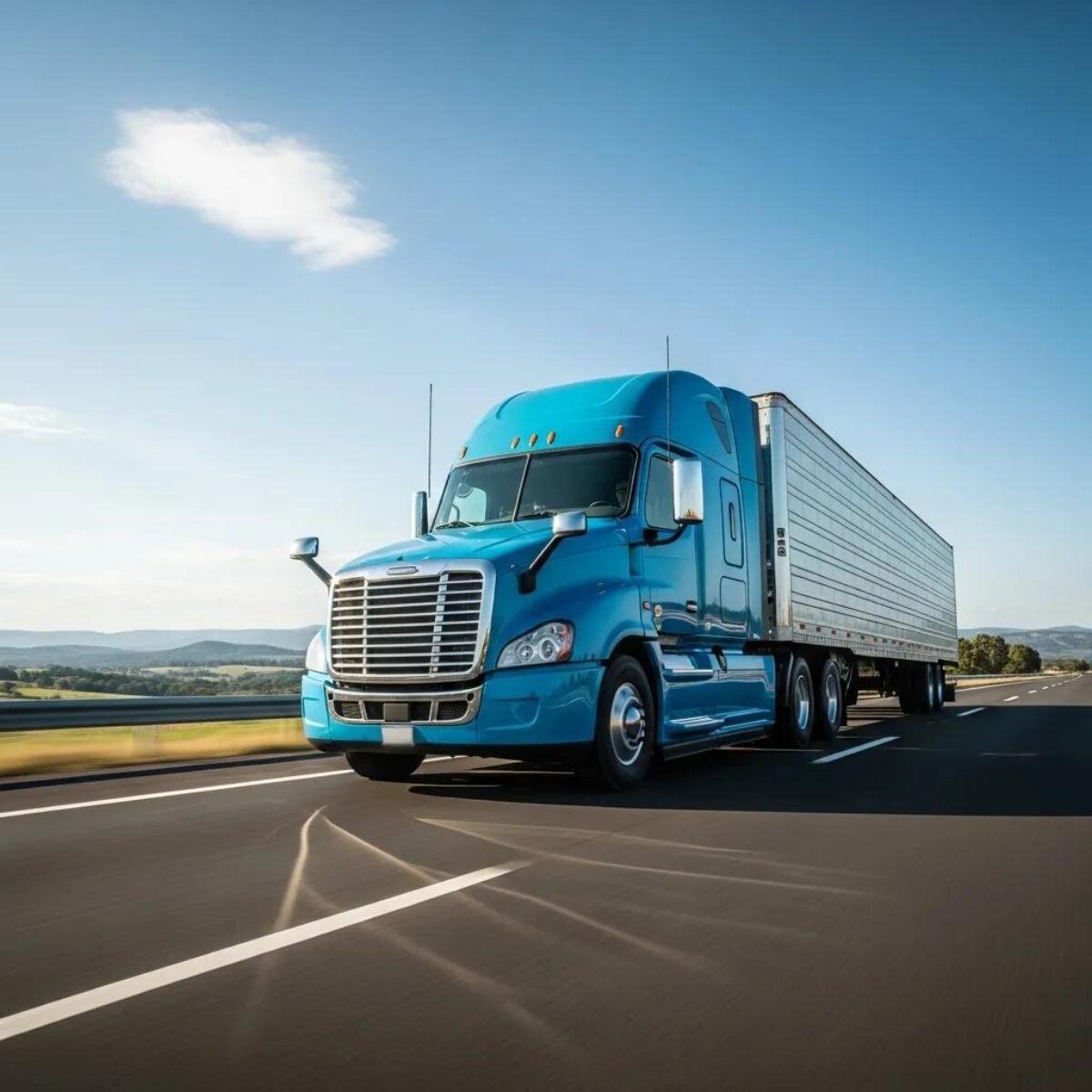
Trucking services move goods overland across local, regional and cross‑border supply chains between the U.S., Canada and Mexico. This guide breaks down commercial trucking and logistics so you can see how carriers keep inventory flowing, how trucking ties into warehousing and real‑time tracking, and when to choose specialized handling. You’ll get a straightforward look at the main service types—less than truckload (LTL), full truckload (FTL) and specialty options like refrigerated and hazmat shipping—plus practical criteria for picking the right mode. We cover equipment, safety and regulatory basics, the role of certified logistics coordinators, and how smart warehousing lowers total transport cost. Finally, we review visibility tools and give a simple checklist for evaluating carriers or 3PLs, with examples of how a provider like First Class Trucking Corp. supports core logistics needs. When you finish, you’ll have clear, actionable criteria for comparing freight options, weighing tradeoffs, and requesting quotes with confidence.
What Types of Trucking Services Does First Class Trucking Corp. Offer?
Trucking covers distinct service types that match shipment size, cargo characteristics and regulatory needs—each balancing cost, transit time and cargo protection. Less Than Truckload (LTL) consolidates multiple shippers’ freight into shared trailers to lower per‑shipment cost for smaller consignments. Full Truckload (FTL) provides a dedicated tractor‑trailer for higher volumes or time‑sensitive moves where reduced handling and faster door‑to‑door transit matter. Specialized offerings include refrigerated (reefer) transport for temperature‑sensitive goods, hazmat‑certified carriage for regulated materials, flatbed and oversized load handling for non‑containerized or heavy items, plus government and other value‑added services. Warehousing and distribution—staging, cross‑docking and fulfillment—work alongside trucking to cut dwell time and improve consolidation. These service options present tradeoffs in price, speed and compliance that shippers weigh when planning moves. First Class Trucking Corp. lists LTL, FTL, flatbed, oversized loads, refrigerated and hazmat transport, government transportation and warehousing among its core services and supports competitive pricing and real‑time tracking for shipment visibility; request a quote to compare solutions.
Different trucking services match different shipment profiles and operational constraints.
| Service Type | Typical Capacity | Ideal Shipment Profile |
| Less Than Truckload (LTL) | Shared trailer space (pallet‑level) | Small to medium consignments that fit palletized loads and benefit from cost sharing |
| Full Truckload (FTL) | Dedicated trailer (single‑shipper) | Large volumes or time‑sensitive freight needing minimal handling |
| Refrigerated Transportation | Temperature‑controlled trailers (reefers) | Perishables, pharmaceuticals and other cold‑chain commodities |
This side‑by‑side shows how capacity and cargo needs drive landed‑cost decisions.
How Does Less Than Truckload Shipping Benefit Small and Medium Shipments?
Less Than Truckload (LTL) lowers per‑unit cost by combining multiple small shipments in a single trailer so linehaul and fuel expenses are shared. Carriers consolidate at terminals and cross‑docks where sorting and pallet building improve trailer utilization, letting businesses move partial loads without paying for unused space. For many small and mid‑sized shippers, LTL reduces inventory carrying costs and supports more frequent replenishment versus waiting for full loads. The tradeoffs include longer transit times and additional handling stages that can affect fragile cargo. When choosing between LTL and other modes, consider shipment size, delivery window and damage risk—if volume or time sensitivity is high, FTL is often the better choice; if cost per pallet is the priority and schedules are flexible, LTL typically wins. Understanding these mechanics helps procurement and operations teams pack, label and plan to reduce claims and delays.
What Are the Advantages of Full Truckload Transportation for Large Freight?
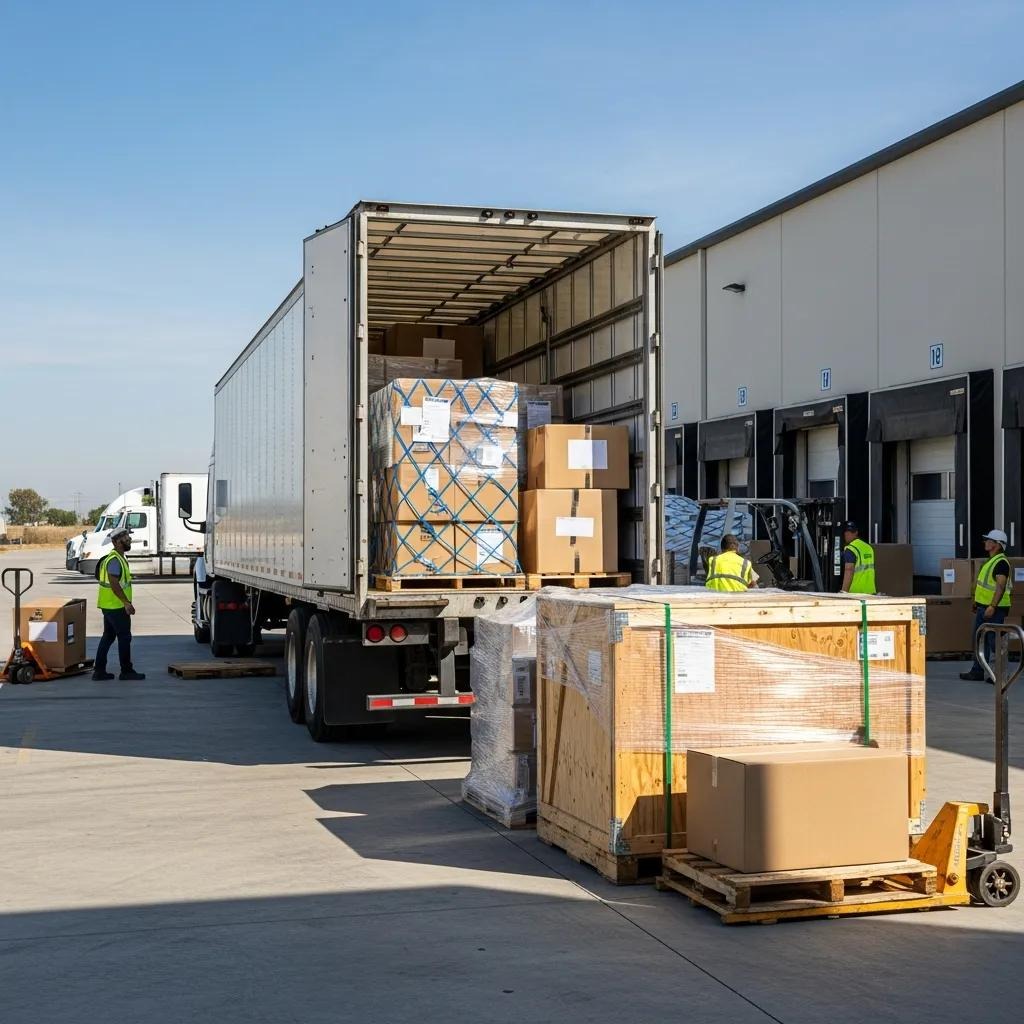
Full Truckload (FTL) assigns a trailer exclusively to one shipper, cutting intermediate transfers and handling, lowering damage exposure and usually reducing transit time because stops are limited. This model serves high‑volume shippers or those moving near‑full trailer loads, and businesses with tight delivery windows that value reliability over the marginal cost savings of consolidation. FTL simplifies routing and paperwork, which can reduce administrative friction and misroute risk common in multi‑leg LTL networks. Typical FTL candidates include heavy manufacturing components, retail replenishment and time‑sensitive consumer goods—whenever fewer touchpoints mean more predictable delivery. When you compare FTL to LTL, weigh total landed cost, handling risk and service‑level agreements to decide whether a dedicated truck or pooled consolidation is more efficient for your operation.
How Are Specialized Trucking Services Tailored for Unique Cargo Needs?
Specialized trucking requires the right equipment, trained personnel and documented procedures to meet the physical and regulatory demands of certain commodities—ensuring cargo integrity and legal compliance. Flatbed and oversized moves use open‑deck trailers, securement systems and route planning with permits and escorts as needed. Refrigerated transport relies on reefers, calibrated sensors and approved loading patterns to protect the cold chain. Hazmat carriage follows DOT and FMCSA rules, placarding and manifests, and drivers need specific endorsements. Each specialty includes technical (equipment) and administrative (paperwork, permits) controls. Operational differences include pre‑trip checks, contingency routing, escort coordination for oversized loads and temperature validation for perishables. These tailored workflows reduce risk and keep high‑value, sensitive or regulated freight moving safely and predictably.
Specialized capabilities highlight practical tradeoffs carriers and shippers manage.
- Flatbed and oversized moves require route surveys and permit coordination to ensure safe delivery.
- Refrigerated transport depends on validated temperature profiles and continuous monitoring to preserve the cold chain.
- Hazmat shipments demand accurate documentation, correct placarding and driver endorsements to meet regulations.
These differences explain why specialized services need specific planning and pricing; the next section looks closer at hazmat compliance.
What Safety and Compliance Measures Are Involved in Hazmat Transportation?
Hazmat transport follows strict DOT classifications, packaging standards, labeling, manifests and placarding to communicate hazards and manage risk throughout transit. Drivers need hazmat endorsements and carriers must maintain appropriate insurance and operating procedures for the regulated classes they carry. Safety steps include certified packaging, leak‑proof containment, route selection to limit exposure where required, emergency response plans and pre‑trip checks focused on securement and placarding. Proper paperwork—shipper’s declaration, emergency contacts and SDS references—helps first responders and carriers act quickly if an incident occurs. Regular audits, training and coordination with regulatory authorities are critical controls that limit liability and keep hazardous shipments moving without interruption.
How Does Refrigerated Transportation Ensure Cold Chain Integrity?
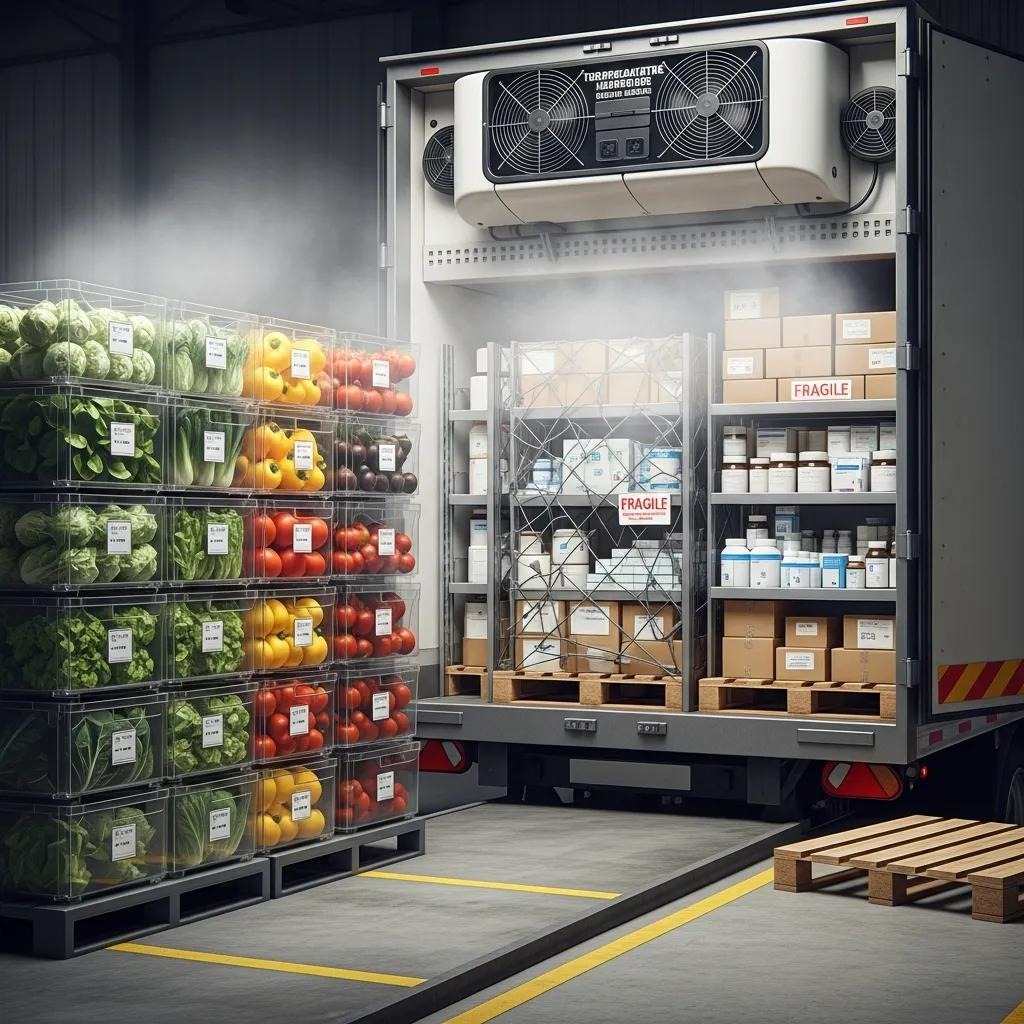
Refrigerated transport preserves cold‑chain integrity with purpose‑built reefers, continuous monitoring, validated loading plans and contingency procedures for perishable and temperature‑sensitive freight. Reefers deliver precise temperature control for chilled or frozen ranges; IoT sensors and telematics stream temperature, humidity and door‑event data so shippers see exceptions in real time. Best practices include pre‑cooling trailers, validating units before loading, using pallet patterns that maintain airflow, and having contingency plans—transfer to another reefer or secure controlled warehousing—if issues occur. For pharmaceuticals and fresh produce, keeping documented temperature logs and following validated profiles is essential for safety and compliance. Equipment, monitoring and disciplined operations make refrigerated transport a dependable cold‑chain solution.
What Role Does Warehousing and Distribution Play in Logistics and Transportation Services?
Warehousing and distribution are core parts of the supply chain, storing inventory and enabling cross‑docking, pick‑and‑pack and staging that streamline trucking and shorten door‑to‑door lead times. Placing warehouses near major corridors or cross‑border points shortens linehaul runs and supports consolidation strategies that lower total transport cost. Cross‑dock operations reduce storage time and speed flows for time‑sensitive products. Distribution centers typically integrate with carrier systems using WMS and TMS to automate inventory allocation, route planning and load tendering—improving pick accuracy and OTIF performance. Sound inventory practices—FIFO, lot tracking and cycle counts—support reliable replenishment and cut the claims that ripple through freight networks. Many carriers pair warehousing with transportation to offer turnkey logistics that simplify vendor management and improve end‑to‑end visibility.
Warehouse options vary by environment and handling capability; the table below outlines common types and typical commodities.
| Warehouse Type | Handling Equipment | Ideal Commodities |
| Ambient storage | Pallet racking, forklifts | Dry goods, boxed consumer products |
| Cold storage | Refrigerated rooms, controlled docks | Perishables, frozen foods, pharmaceuticals |
| Heavy‑haul‑capable | Heavy‑duty floors, lift equipment | Industrial machinery, oversized components |
Choosing the right warehouse type aligns storage conditions with shipment needs to reduce damage and speed distribution. First Class Trucking Corp. offers strategically located warehousing alongside its transportation services and handles tailored requests through Request a Quote or Contact Us to integrate staging and cross‑dock workflows into your freight plan.
How Do Strategic Warehousing Solutions Enhance Freight Shipping Efficiency?
Strategic warehousing trims total transit time and cost by situating inventory near demand centers or main transport arteries, cutting final‑mile distance and speeding replenishment. Cross‑dock and staging operations reduce dwell—moving goods directly from inbound to outbound trailers—fewer touches lower inventory carrying costs for fast‑moving SKUs. Automation and WMS integration boost pick accuracy and throughput, cutting load build errors and freight claims. Metrics like dwell time, pick accuracy and order lead time quantify warehouse impact and guide choices about capacity or inventory pool placement. These strategies improve carrier utilization, reduce expedited shipments and raise on‑time delivery performance.
What Inventory Management Practices Support Commercial Freight Transport?
Inventory practices such as cycle counting, SKU rationalization and WMS‑TMS integration lower shipping mistakes and enable predictable carrier scheduling that maximizes trailer use. Accurate stock data supports precise load planning and consolidation, reducing per‑shipment cost and the need for costly expedited lanes during stockouts. Electronic data exchange—EDI or APIs—between warehouses and carriers automates tendering, manifests and tracking events, improving OTIF and lowering detention and dwell charges. KPIs tied to inventory—inventory accuracy, fill rate and OTIF—directly influence transportation efficiency and sourcing decisions. Prioritizing these controls smooths handoffs between warehousing and trucking and reduces friction across the supply chain.
How Does Real-Time Freight Tracking Improve Commercial Freight Transport?
Real‑time freight tracking gives continuous visibility across the transport lifecycle, improving ETA accuracy, speeding exception response and delivering measurable gains in customer service and cost control. Tracking tech captures location, condition and event data that feed dispatch and customer portals, cutting uncertainty and enabling proactive moves like rerouting, reconsigning or staging resources at delivery points. Visibility shortens delay resolution, reduces detention and demurrage through better appointment coordination, and supports accurate end‑customer communications that lower churn. It also preserves event logs and temperature records for regulated shipments. The next sections explain enabling technologies and how certified coordinators turn data into action.
| Technology | Data Points Tracked | Client Visibility Options |
| GPS / Telematics | Location, speed, route | Web portal, ETA dashboards |
| IoT sensors | Temperature, humidity, shock | Email alerts, sensor dashboards |
| Cloud dashboards | Aggregated events, analytics | Web portals, API integration |
Layering these tracking solutions gives complementary data sets that increase freight reliability and improve operational decisions.
What Technologies Enable 24/7 Cargo Visibility and Shipment Monitoring?
GPS telematics, IoT condition sensors, ELD integration and cloud dashboards together enable around‑the‑clock visibility and proactive monitoring. GPS and telematics deliver continuous location and routing data for ETA estimates and route optimization. IoT sensors watch temperature, humidity and shock for condition‑sensitive loads and trigger alerts on threshold breaches. ELD and telematics integration reconcile driver hours‑of‑service with routing to prevent compliance lapses, while cloud dashboards combine feeds into user‑friendly views accessible via web portals or automated alerts. This data fabric lets certified logistics coordinators detect exceptions earlier and coordinate timely mitigation.
How Do Certified Logistics Coordinators Manage Supply Chain Efficiency?
Certified logistics coordinators are the operational hub between shippers, carriers and warehouses—booking lanes, monitoring progress, resolving exceptions and ensuring correct documentation and routing. Using tracking feeds and WMS/TMS interfaces, coordinators select carriers, schedule pickups, consolidate loads and communicate ETA changes, cutting idle time and rework. They validate hazmat paperwork, arrange permits or escorts for oversize moves and trigger contingency plans for cold‑chain breaches or delays. By centralizing decisions and acting on real‑time data, coordinators raise on‑time delivery rates, lower claims and provide a clear single point of contact that simplifies complex multi‑leg shipments. They turn telemetry into dependable execution and customer‑facing status updates.
What Should Businesses Consider When Choosing a Trucking and Logistics Partner?
Picking a trucking and logistics partner means comparing price, geographic coverage, service mix, tracking capabilities, compliance history and payment terms to match your operational goals and cash‑flow needs. Use a checklist approach to evaluate total landed cost—not just base linehaul rates—and factor in accessorials, detention policies and insurance limits. Visibility and transparency are key—real‑time tracking and certified logistics coordinators both reduce risk and improve responsiveness—and regulatory competence for hazmat or cross‑border moves is essential where applicable. Flexible payment options, such as no down payment or price match/price beat policies, can be decisive for seasonal or project‑based buyers. The checklist below summarizes primary decision factors to guide vendor selection and negotiation.
- Price and Total Landed Cost: Compare base rates, fuel surcharges and likely accessorials to determine true cost.
- Coverage and Transit Network: Confirm the carrier services your required domestic and cross‑border lanes.
- Visibility and Technology: Verify real‑time tracking, alerting and portal/API access for shipment monitoring.
After reviewing the checklist, prioritize providers that meet core operational needs and offer transparent quotes and SLA terms. First Class Trucking Corp.’s value propositions—competitive pricing with price match/price beat options, flexible payment choices including no down payment, 24/7 real‑time cargo tracking via web or email and certified logistics coordinators—align with these decision factors and serve as negotiation points when requesting a quote.
Why Is Competitive Pricing and Flexible Payment Important in Freight Shipping Solutions?
Competitive pricing and flexible payment terms influence procurement strategy and working capital by lowering upfront spend and smoothing cash flow for businesses with seasonal demand or large projects. Pricing structures differ—LTL typically uses class‑ and density‑based tariffs while FTL may be priced by route—so clear quotes and policies like price match or price beat reduce the risk of unexpected charges. Payment flexibility (deferred billing or no down payment) can make a carrier a better fit for companies that need to align freight costs with receivables. When choosing between cost and service, evaluate the impact of transit time, claims frequency and tracking responsiveness on customer satisfaction and total cost of ownership.
How Does First Class Trucking Corp. Ensure Reliable and Secure Transportation Services?
First Class Trucking Corp. focuses on reliability through certified logistics coordinators, 24/7 real‑time cargo tracking (web or email) and strategically located warehousing for staging and cross‑dock efficiency. The company’s published advantages—competitive pricing with price match/price beat options, flexible payment terms including no down payment, and certified hazmat transport—are measurable attributes that reduce procurement friction and build confidence for shippers with specialized or cross‑border needs. These capabilities deliver predictable execution: coordinators manage exceptions and documentation, tracking enables proactive intervention, and warehousing smooths transit variability. If you’re ready to compare proposals, prepare shipment profiles (dimensions, weight, commodity, pickup/delivery windows) and request a quote to see how these capabilities align with your priorities.
Frequently Asked Questions
What factors should I consider when selecting a trucking service?
Compare price, service area and the freight types a carrier handles. Check their compliance record for specialized cargo like hazardous materials. Evaluate tracking capabilities and customer service responsiveness, and review payment terms and reputation. A side‑by‑side comparison of these elements helps you pick a partner that fits your operational needs and budget.
How can I ensure my cargo is safe during transportation?
Choose a carrier with a strong safety and compliance record, and verify they use proper packaging and securement for your cargo. Look for providers with real‑time tracking and monitoring so you get alerts if issues arise. Maintain regular communication with your logistics coordinator to address concerns quickly and keep cargo secure throughout transit.
What are the benefits of using a logistics coordinator?
A logistics coordinator streamlines communication between shippers, carriers and warehouses, handling bookings, paperwork and exceptions so shipments move smoothly. Coordinators improve on‑time delivery, reduce errors and claims, and act as a single point of contact—freeing your team to focus on core operations while the coordinator manages day‑to‑day execution.
How does technology improve freight shipping efficiency?
Technology boosts efficiency with real‑time tracking, automated inventory flows and analytics. GPS and IoT sensors give visibility into location and condition, while TMS and WMS automate load planning and routing. These tools lower delays, increase accuracy and reduce costs, making the supply chain more responsive.
What are the key differences between LTL and FTL shipping?
LTL consolidates multiple small shipments into one trailer, making it cost‑effective for smaller loads but often slower and with more handling. FTL dedicates a trailer to one shipper, minimizing handling and transit time—best for large volumes or time‑sensitive deliveries. Choose based on shipment size, urgency and budget.
What role does warehousing play in logistics?
Warehousing stores inventory and enables order fulfillment, cross‑docking and staging that streamline distribution. Strategically placed warehouses reduce transportation costs and lead times, and offer value‑added services like inventory management that improve overall supply‑chain responsiveness.
How can I track my shipment in real-time?
Work with a carrier that offers GPS telematics and IoT sensors and provides access via a web portal or mobile app. These systems deliver continuous updates on location, ETA and condition, plus alerts for delays. Staying in touch with your logistics coordinator also keeps you informed throughout transit.
Conclusion
Knowing your trucking options—LTL, FTL and specialty services—helps you optimize freight strategy for cost, speed and compliance. Each mode has clear benefits depending on your shipment profile and priorities. By clarifying your needs and working with experienced providers like First Class Trucking Corp., you can make informed decisions that improve reliability and lower total cost. Start by assessing shipment details and requesting tailored quotes to elevate your supply‑chain performance.