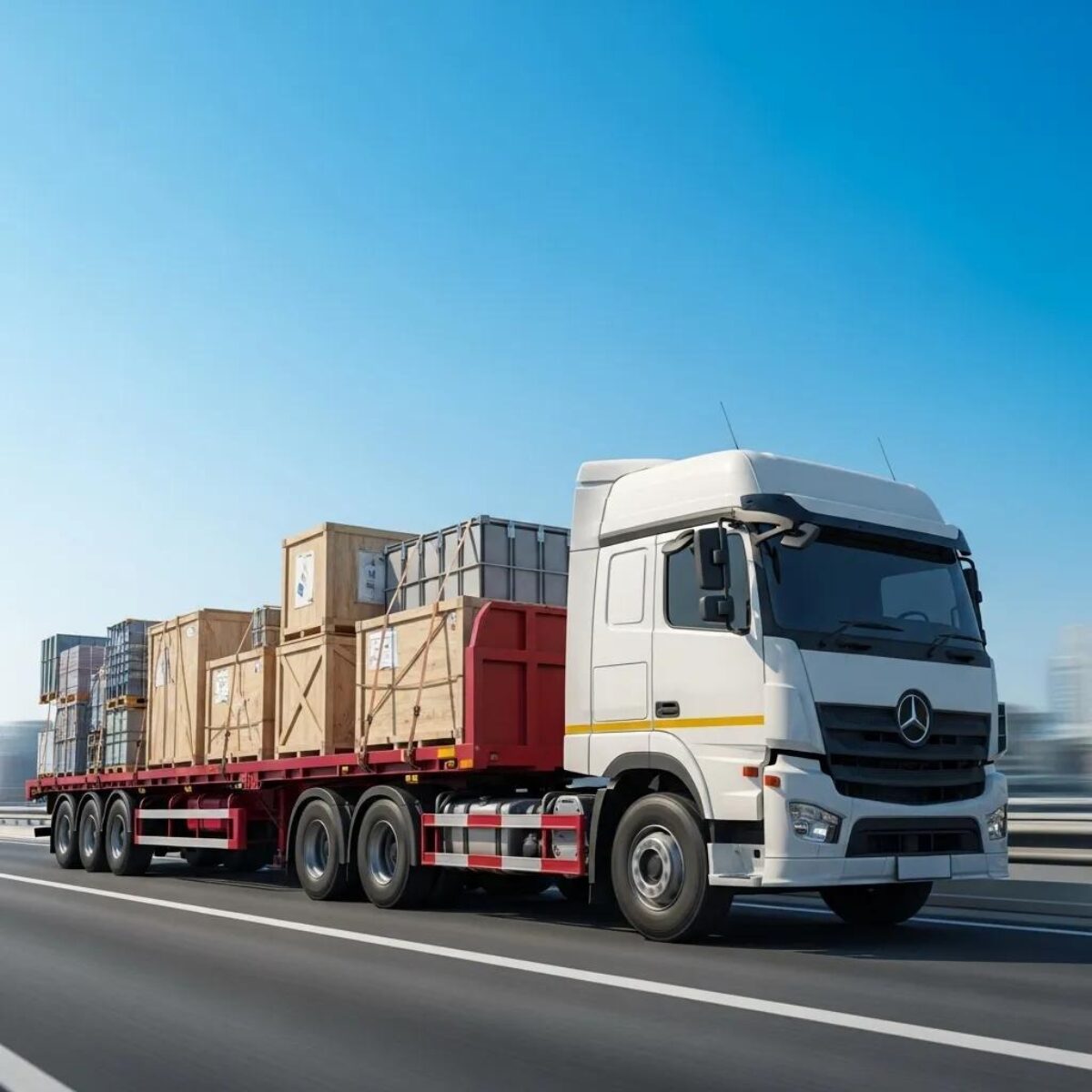
Trucking moves goods, materials, and equipment overland using specialized vehicles and logistics know‑how. It’s the backbone of modern supply chains. This guide explains who relies on professional trucking services, why companies outsource freight, and how industry needs—manufacturing, retail, healthcare, food, construction, and government—drive specific freight choices. You’ll get clear differences between LTL and FTL, why temperature control and hazmat handling matter, and what to check when vetting a logistics partner. We map common cargo to recommended services, compare options, and share a buyer checklist that helps teams request accurate quotes. If you manage shipments, inventory, or vendor logistics, this guide helps you match business needs to practical freight strategies and reliable provider capabilities.
Why Do Businesses Rely on Professional Trucking Services?
Companies turn to professional trucking because carriers bring capacity, compliance, and technology that are costly to replicate in‑house. Outsourcing cuts fleet capital expenses, lets you scale quickly for seasonal demand, and gives access to specialized gear—reefers, flatbeds, heavy‑haul rigs—when a standard van won’t do. The payoff is better visibility, more predictable deliveries, and lower regulatory risk, which together support inventory efficiency and customer satisfaction. For manufacturers, retailers, and logistics teams focused on on‑time performance and cost control, trucking providers are strategic partners—not just vendors.
Trucking services deliver several practical advantages buyers count on:
- Cost efficiency: Reduce fixed costs versus running your own fleet.
- Scalability: Add capacity quickly during peaks and promotions.
- Specialized equipment: Access reefers, flatbeds and heavy‑haul rigs when you need them.
- Compliance & risk management: Trained drivers and proper documentation reduce exposure.
These benefits explain why many firms carry less inventory and rely on third‑party freight providers to hit KPIs and control working capital.
What Are the Key Benefits of Outsourcing Freight Transportation?
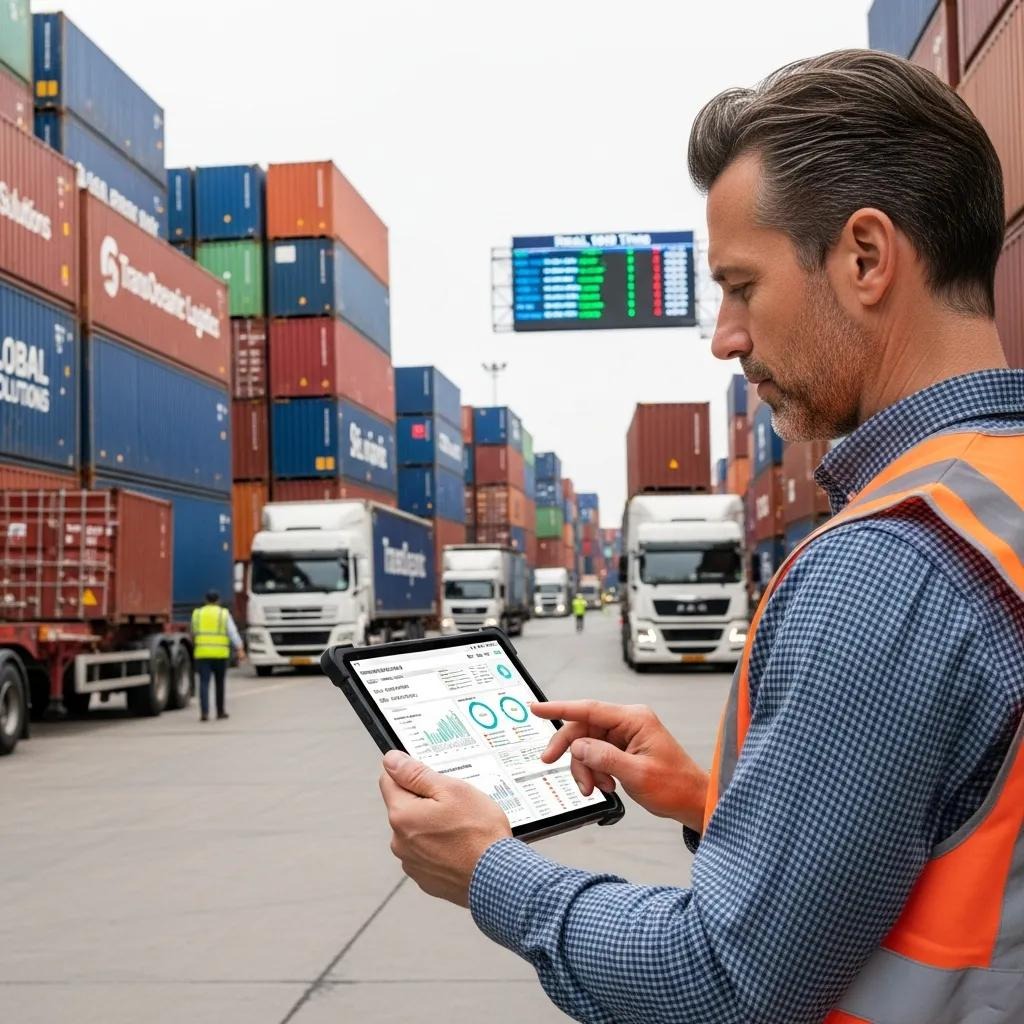
Outsourcing gives you scale, specialist expertise and operational safety without buying assets. Third‑party carriers lower capital and labor overhead and offer flexible pricing tied to shipment volumes. They bring trained drivers, insurance programs, and claims processes that shorten recovery time after incidents. For example: manufacturers depend on reliable carriers for JIT components to keep lines running; retailers rely on LTL consolidation to reduce per‑unit transport costs during sales. Outsourcing lets companies concentrate on core work while carriers handle the execution and day‑to‑day logistics details.
How Does Real‑Time Tracking Enhance Supply Chain Efficiency?
Real‑time tracking links trucks, cargo and operations systems to deliver continuous visibility and faster exception handling. When a carrier reports location and temperature, shippers can update ETAs, reduce customer calls, and reroute or expedite loads before delays worsen. Better visibility shows up in KPIs—higher on‑time delivery (OTD), less dock dwell time, and lower safety stock. Supply chain teams use tracking to adjust downstream labor and staging in real time, shortening replenishment lead times and improving fill rates. That proactive rhythm—track, act, resolve—is a central reason companies stick with professional trucking partners.
When evaluating carriers, the ability to push tracking updates into your systems is a clear signal of logistics maturity and often lets you reduce inventory buffers that tie up capital.
Which Industries Require Specialized Trucking Solutions?
Certain sectors need specialized equipment, strict compliance, or precise timing—areas where professional trucking fills essential gaps. Manufacturers require dependable inbound and outbound capacity; retailers and e‑commerce need flexible peak capacity and returns handling; healthcare and pharma demand validated cold chain and chain‑of‑custody processes; food and agriculture depend on tight temperature zones and transit windows; construction and government often require heavy‑haul, permits and secure transport. Each industry maps to services that lower risk, tighten lead times, and ensure regulatory compliance.
Key industries that depend on tailored trucking include:
- Manufacturing: JIT parts and heavy equipment need precise ETAs and often cross‑border capability.
- Retail & e‑commerce: Replenishment, seasonal surges and returns benefit from LTL/FTL mixes and fulfillment‑aware routing.
- Healthcare & pharmaceuticals: Temperature control and strict documentation protect product efficacy and traceability.
- Food & agriculture: Perishables need cold chain management and coordinated harvest‑to‑market timing.
- Construction: Oversize and heavy‑haul shipments require permits, escorts and route planning.
- Government: Secure procurement and audited shipping need vendor vetting and traceable records.
These mappings make it easier to pick the right service types for specific cargo and operational goals, and they lead into a reference table that pairs cargo with recommended trucking solutions.
Different industries need targeted handling; the table below links common cargo to the services that typically move them safely and efficiently.
| Industry | Typical Cargo Types | Recommended Service Types / Key Requirements |
| Manufacturing | Components, assemblies, heavy machinery | FTL for dedicated loads, cross‑border trucking, scheduled JIT pickups |
| Retail / E‑commerce | Pallets, mixed parcels, returns | LTL consolidation, hub‑and‑spoke distribution, seasonal capacity |
| Healthcare / Pharma | Medical devices, biologics, vaccines | Refrigerated/validated reefers, chain‑of‑custody documentation |
| Food & Agriculture | Fresh produce, frozen goods | Cold chain logistics, continuous temperature monitoring, tight transit windows |
| Construction | Steel, oversized equipment, modular units | Flatbed/oversize transport, permits, route surveys, escort services |
| Government | Secure equipment, sensitive cargo | Security vetting, compliance documentation, dedicated agreements |
How Do Manufacturers Optimize Supply Chains with Freight Services?
Manufacturers use trucking partners to support JIT deliveries, dependable outbound lanes, and cross‑border sourcing that keep production running. Carriers help maintain lean inventories by meeting narrow windows and offering scheduled lanes for repeat flows, which improves fill rates and cuts days‑of‑inventory on hand. Heavy components often need flatbeds and permit coordination—tasks professional carriers handle to prevent downtime. Manufacturers measure carriers on lead time consistency, OTD percentage and load utilization, and they favor partners that minimize variability in those KPIs.
This precision focus naturally transitions to the different load‑mix strategies retailers and e‑commerce businesses require.
What Logistics Challenges Do Retailers and E‑commerce Businesses Face?
Retailers and e‑commerce operators face volatile demand, tight delivery expectations and reverse logistics that complicate routing and carrier selection. Seasonal peaks and promotions create short‑term capacity spikes that need flexible LTL/FTL blends and warehousing buffers. Last‑mile demands increase coordination across carriers and raise the need for customer‑facing tracking. Returns add cost and complexity, pushing teams toward consolidated LTL lanes and efficient cross‑docking. Retail success is measured by lead time to shelf, return turnaround and cost‑per‑order delivered.
For many retailers, a blended strategy—LTL for routine orders, FTL for time‑sensitive or bulk moves—strikes the best balance between cost and service.
What Are the Freight Needs of Healthcare, Pharmaceuticals, and Food Industries?
Healthcare, pharmaceuticals and food all require tight temperature control, traceability and records to protect safety and meet regulations. Temperature‑sensitive shipments need validated refrigeration, continuous monitoring and contingency plans to preserve integrity. Pharmaceuticals add chain‑of‑custody and strict documentation; food shipments demand zoning and narrow transit windows to avoid spoilage. Because of these overlaps, carrier capability checks—equipment validation, telemetry, incident response—are essential during procurement.
These shared requirements form the technical baseline for carrier evaluation and service specifications.
Why Is Temperature‑Controlled Transportation Critical for Medical Supplies?
Maintaining temperature preserves the potency and safety of medications, biologics and diagnostics. Medical shipments often require validated reefers or refrigerated containers with alarmed telemetry, detailed temperature logs and predefined corrective actions for excursions. A temperature failure can endanger patients and trigger regulatory action or costly returns. That’s why shippers mandate carriers with validated equipment, trained handlers and documented incident response to protect chain‑of‑custody and product integrity.
These controls explain why pharmaceutical cold‑chain capability is non‑negotiable in healthcare logistics and segue into food cold‑chain practices.
How Does Cold Chain Logistics Support Food and Agriculture?
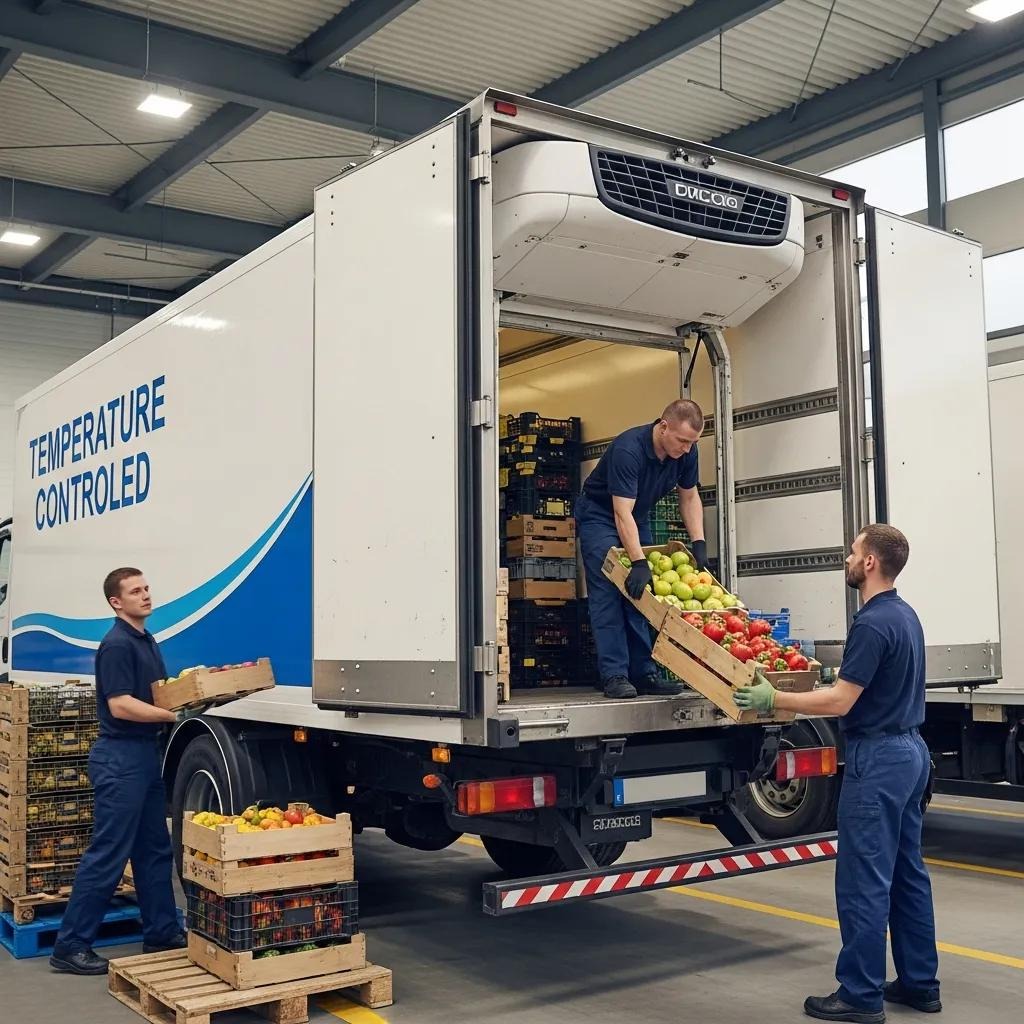
Cold chain logistics prevents spoilage and waste by matching temperature zones to commodity needs and optimizing pickup‑to‑delivery windows. Produce, dairy and frozen goods each need specific temperature ranges and handling—pre‑cooling, refrigerated cross‑docking and timed deliveries to processors or stores. Good cold‑chain practices reduce shrink, extend shelf life, and use telemetry to trigger real‑time corrective action. For growers and distributors, coordinated cold‑chain execution improves margins and limits losses during peak harvests.
These practices underline why carriers must offer validated monitoring, reliable equipment and fast response procedures.
How Do Construction and Government Sectors Benefit from Specialized Trucking?
Construction and government projects rely on carriers that can handle oversized loads, complex permitting and procurement rules that standard freight setups can’t meet. Heavy‑haul services manage route surveys, utility coordination and escort vehicles to move oversized equipment safely and on schedule. Government shipments usually require vendor vetting, strict documentation and procurement compliance to ensure auditability. Project logistics also call for temporary staging near sites and flexible delivery timing to align with milestones and reduce idle labor costs.
These constraints demand carriers experienced with permits, local authority coordination and the administrative bandwidth to support project timelines and contract requirements.
What Are the Requirements for Heavy Haul and Oversized Load Transport?
Heavy‑haul and oversized moves need specialized rigs, careful route planning, permits and often pilot/escort vehicles to meet safety and legal standards. Carriers run route surveys to check bridge clearances, overheads and weight limits, then secure permits and coordinate movement windows with authorities. Permit lead times vary by jurisdiction, so planners must build those timelines into procurement. Best practices include accurate weight/dimension documentation, contingency routes and synchronized delivery windows to minimize on‑site handling.
These steps are the foundation of reliable heavy‑haul execution and lead into the additional compliance layers government transport requires.
How Does Government Transport Ensure Compliance and Security?
Government transport programs require strict documentation, vendor vetting and audit trails to protect public assets and satisfy procurement rules. Providers supporting contracts typically document security protocols, run background checks on drivers and keep detailed shipment logs. Compliance frameworks may call for inspection points, chain‑of‑custody records and minimum insurance levels—requirements carriers must meet before work is awarded. Those controls reduce agency risk and ensure traceability from pickup to delivery, supporting public accountability and project continuity.
This focus on compliance and security shapes how agencies select carriers and which service features they prioritize.
What Diverse Trucking Services Does First Class Trucking Corp. Offer?
First Class Trucking Corp. delivers a broad portfolio that covers industry‑specific freight needs: Less Than Truckload (LTL), Full Truckload (FTL), flatbed and oversized/heavy‑haul, hazmat transport, refrigerated/temperature‑controlled shipping, government transport, plus warehousing and distribution. Capabilities include 24/7 real‑time cargo tracking, certified logistics coordinators, competitive price match/price beat options, flexible payment terms with no down payment, and strategically located warehousing to support national and cross‑border flows across the USA, Canada and Mexico. These features let a single provider meet routing, equipment and compliance needs across manufacturers, retailers, healthcare shippers and construction projects.
Below is a quick comparison of core services and practical use cases to help buyers choose the right fit for their shipments.
| Service | Best Use Cases | Typical Benefits / Example Industries |
| LTL (Less Than Truckload) | Small palletized shipments | Cost‑effective for retailers and e‑commerce; consolidates freight |
| FTL (Full Truckload) | Full‑pallet or dedicated loads | Faster transit and fewer touches—good for manufacturers |
| Refrigerated (Reefer) | Pharma, perishable food | Temperature control and monitoring for cold‑chain needs |
| Flatbed / Oversized | Construction equipment, steel | Moves heavy/oversized items with permits and escorts |
| Hazmat Transportation | Chemicals, regulated materials | Trained drivers, placarding and full documentation |
| Warehousing & Distribution | Seasonal storage, cross‑dock | Short‑term storage, inventory staging and fulfillment support |
When deciding between LTL and FTL, consider the tradeoffs below to match cost and speed to your shipment profile.
- LTL: Best for smaller shipments that don’t fill a trailer; cost‑efficient through consolidation.
- FTL: Ideal for full‑load shipments or time‑sensitive moves where dedicated capacity reduces handling and transit time.
- Hybrid approach: Combine LTL for routine small orders with FTL for promotions, seasonal inventory moves, or fragile cargo that benefits from fewer touches.
That approach helps logistics teams align shipment characteristics with the right service type and leads into specialized offerings like hazmat handling and warehousing.
How Do LTL and FTL Services Cater to Different Business Needs?
LTL and FTL differ by shipment size, cost model and handling frequency, so each suits different operational profiles. LTL consolidates multiple shippers’ freight in one trailer, spreading cost and working well for smaller, intermittent shipments. FTL gives a dedicated trailer, reducing touchpoints and transit time for bulk or sensitive loads. Shippers evaluate LTL vs FTL on weight, frequency, delivery windows and inventory carrying costs; many find a blended strategy optimizes both cost and service. Your choice also affects warehousing and last‑mile planning.
What Specialized Services Support Hazmat, Flatbed, and Warehousing Solutions?
Hazmat transport, flatbed hauling and warehousing require specific equipment, certified staff and compliance routines. Hazmat needs placarding, material safety data sheets and drivers trained in hazardous goods handling. Flatbed loads need securement methods and route clearances for oversized dimensions. Warehousing adds value through temperature zones, racking and cross‑docking that speed turnaround and support seasonal surges. Carriers that combine these services with monitoring and certified logistics coordinators simplify compliance and reduce handoffs for shippers with complex or regulated cargo.
These specialized services help regulated and oversized shipments meet schedules and legal requirements more reliably.
How to Choose the Right Logistics Partner for Your Business?
Start by defining evaluation criteria that match your operational priorities: reliability, visibility, compliance, capacity and pricing. Use a checklist to compare providers and surface red flags—missing insurance, no telemetry, or unclear escalation procedures. Verify claims through references, audits of tracking systems and review of payment terms. The objective is a partner that raises service levels while fitting your commercial and regulatory constraints, giving you predictable costs and smoother operations across lanes.
Use the decision‑factor table below to guide procurement conversations and shape targeted questions for potential providers.
| Decision Factor | What to Look For | Red Flags / Questions to Ask Providers |
| Reliability | On‑time delivery metrics, repeatable lanes | High variability in OTD; ask for historical on‑time data |
| Tracking & Visibility | 24/7 tracking, ETA updates, telemetry | No real‑time updates; ask how exceptions are handled |
| Compliance | Hazmat certification, cold‑chain validation | Missing documentation; ask about certifications and audit history |
| Capacity & Scalability | Fleet mix, cross‑border reach (USA/Canada/Mexico) | Limited equipment types; ask about surge capacity and backup plans |
| Pricing & Payment | Transparent rates, price match/price beat policies | Hidden fees; ask about fuel surcharges and payment terms |
What Factors Make First Class Trucking the Preferred Freight Provider?
First Class Trucking aligns features to typical buyer priorities: around‑the‑clock cargo tracking for visibility, certified logistics coordinators for compliance and exceptions, competitive price match/price beat options, flexible payment terms with no down payment, and strategically placed warehousing to support national and cross‑border flows across the USA, Canada and Mexico. These operational capabilities address reliability, tracking, capacity and pricing concerns and give procurement teams clear proof points to evaluate during selection.
Referencing these provider features helps you translate requirements into testable criteria and request specific documentation from vendors.
How Can Businesses Request Customized Quotes and Support?
To get an accurate freight quote, provide these shipment details: pickup and delivery locations, dimensions and weight, commodity type, temperature needs, required permits, preferred pickup windows and any cross‑border paperwork. Share historical shipment frequency and desired service level (LTL, FTL, expedited) so carriers can propose lane‑specific rates and capacity plans. Expect carriers to outline lead times, potential surcharges and documentation requirements for regulated loads. Clear, complete info up front shortens negotiation cycles and produces precise proposals that reflect your operational constraints.
This preparation ensures quotes are comparable and actionable, helping procurement teams move quickly once a partner is chosen.
Ready‑to‑ask checklist:
- Provide exact pickup/drop locations and dates.
- Share dimensions, weight, and commodity class.
- State temperature, permit, or hazmat requirements.
Following these steps helps businesses get accurate quotes and speeds onboarding with the selected carrier.
Frequently Asked Questions
What factors should businesses consider when choosing between LTL and FTL services?
Consider shipment size, frequency and urgency. LTL is cost‑efficient for smaller, less frequent loads because multiple shippers share trailer space. FTL is best for full‑truck shipments or time‑critical deliveries that need a dedicated trailer. Also weigh delivery windows, handling needs and total logistics cost. Many teams use a blended approach: LTL for routine orders, FTL for peak seasons or urgent moves.
How can businesses improve their supply chain visibility with trucking services?
Partner with carriers that offer real‑time tracking and automated reporting. GPS, telemetry and ETA updates let you monitor shipments and act on exceptions. Integrating tracking data with your internal systems reduces manual checks, improves customer communication and supports proactive decisions—like rerouting or adjusting warehouse labor—to limit disruption and maintain service levels.
What are the common challenges faced by the food and agriculture industry in trucking?
Perishables demand strict temperature control, tight delivery windows and compliance with food safety rules. Other challenges include coordinating harvest timing and managing returns. To mitigate risk, businesses work with carriers experienced in cold‑chain logistics who provide continuous monitoring and quick incident response.
What are the implications of regulatory compliance for trucking services?
Compliance ensures safe, legal transport. Non‑compliance can cause fines, delays and reputational damage. Carriers must meet standards for hazardous materials, vehicle safety and environmental rules. Work with providers that run regular audits, maintain certifications and invest in driver training—those controls reduce risk and improve operational reliability.
How do trucking services support cross‑border shipping between the USA, Canada, and Mexico?
Experienced cross‑border carriers handle customs rules, documentation and inspections to keep freight moving. They understand trade agreements and tariffs, have relationships with customs authorities and provide trained staff and appropriate equipment for border crossings. That expertise helps minimize delays and improves reliability for international lanes.
What role does customer service play in the trucking industry?
Customer service directly affects satisfaction and retention. Clear communication, fast responses and proactive problem‑solving build trust. Carriers that offer timely status updates, handle issues promptly and offer tailored solutions make the shipping experience smoother and encourage repeat business—an important advantage in a competitive market.
Conclusion
Outsourcing trucking brings measurable savings, flexible scale and access to specialized equipment—benefits that improve overall supply chain performance. By understanding industry‑specific needs, teams can choose logistics partners that deliver compliance, visibility and reliable timing. Explore our range of trucking solutions to find the right match for your freight. Contact us today to see how we can help simplify your logistics and keep your supply chain moving.