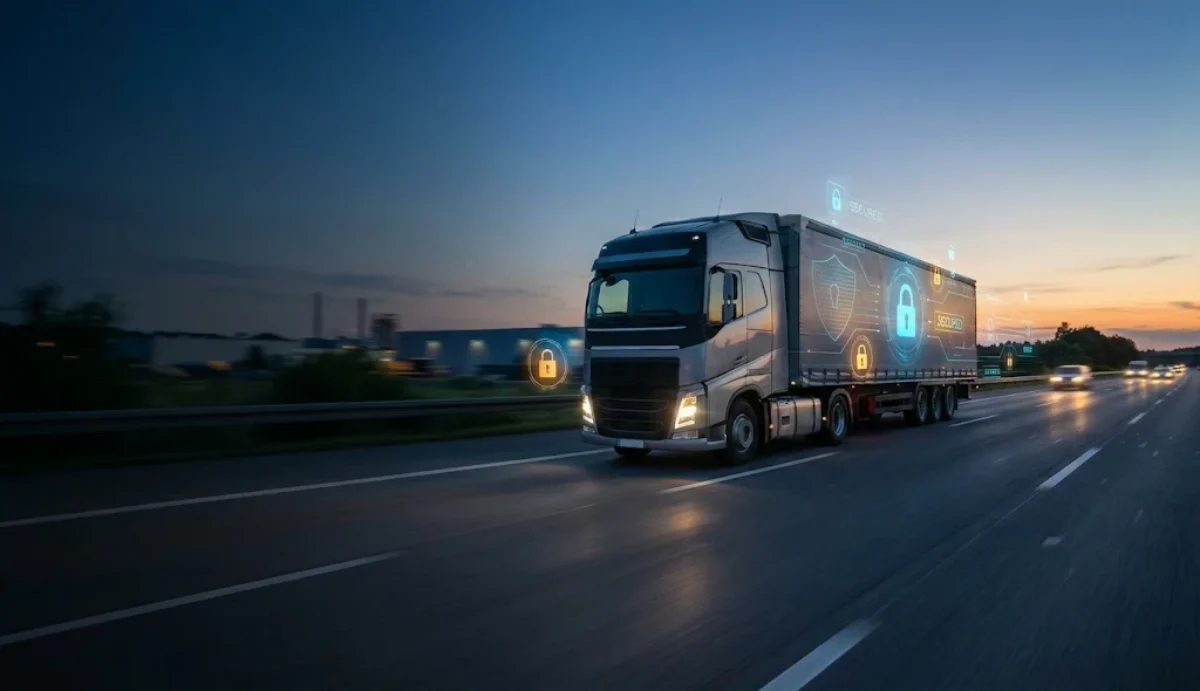
Is Full Truckload Shipping Safer for High-Value Freight?
For handling, yes: full truckload freight loads once, rides sealed, and delivers with one carrier, the fewest touches and tightest custody. For theft, no mode is automatic; a full trailer is a bigger target; security depends on the carrier.
Electronics, pharmaceuticals, machinery, metals, and branded consumer goods share one trait: losing a single trailer hurts more than losing a pallet. High-value freight security is really two different problems, handling damage that accumulates with every touch, and theft that concentrates where value concentrates. Full truckload solves the first problem by design and raises the stakes on the second. First Class Trucking hauls high-value freight under single-driver custody, and this guide separates what the mode gives you from what you still have to verify.
What Makes a Shipment High-Risk
Risk has three inputs: the value riding on the trailer, the number of times the freight is handled, and how visible the custody chain is. A $200,000 load of electronics handled six times through shared terminals faces a different risk profile than the same load sealed in a dedicated trailer with GPS tracking. Mode choice attacks the second and third inputs directly, and it changes the first: consolidation spreads value across many shippers, while truckload concentrates it in one place.
Single-Touch Freight Handling: the Structural Advantage
Full truckload is single-touch freight handling by definition. Your pallets load at your dock, the trailer is sealed, and it opens at the consignee. Full truckload equipment runs dock to dock with no intermediate stops, so there is no terminal where freight is unloaded, sorted, and reloaded alongside other shippers’ cargo.
LTL works the opposite way by design. A typical shipment is loaded at pickup, unloaded at an origin terminal, reloaded onto a line-haul trailer, unloaded at a destination terminal, and loaded onto a delivery truck: four to six handling events, each one a chance for a crushed pallet, a forklift strike, or a pallet that walks away from a mixed trailer. None of this makes LTL unsafe; it makes handling count the variable you are paying to reduce, and truckload reduces it to one.
The Honest Theft Picture
Here is what vendor content rarely says: industry theft reporting consistently shows the highest incidence of cargo theft on the truckload side of the business. Criminals concentrate where the payoff is, and an entire trailer of electronics is worth more than a pallet. Strategic theft methods target truckload specifically: carrier identity fraud, fictitious pickups, and rerouting loads through corrupted contact information.
The same reporting shows the counter-trend: as truckload carriers hardened tracking and vetting, thieves shifted toward softer mixed-freight and pilferage, opening a trailer and removing a pallet or two where custody is shared. The conclusion is not that one mode is safe and the other is not. It is that truckload concentrates risk into one high-stakes custody chain, which makes carrier selection and security practices decisive rather than optional.
Transit length matters too: every extra day on the road is exposure. Our full truckload transit time guide explains the 500-mile-per-day planning math, and direct routing is exactly why high-value loads move truckload instead of waiting through terminal networks.
What Actually Protects High-Value Freight
The mode sets the floor; these practices set the ceiling. Vet the carrier before booking: verify operating authority, safety ratings, and the cargo insurance certificate, and read the per-occurrence limit against your freight’s value rather than accepting a quote at face value.
First Class Trucking runs high-value loads under a standard checklist: sealed trailers with recorded seal numbers verified at each handoff, GPS tracking for the whole trip, no unrequested stops, drivers briefed on the freight profile, and discreet handling of pickup details so route and commodity information does not leak. Team drivers compress long-haul exposure windows, and CTPAT-aligned security practices govern cross-border moves.
On the legal side, a carrier’s liability for lost or damaged freight is the default under the bill of lading, and it can be limited or raised by written agreement under 49 U.S.C. 14706 (Cornell LII), the Carmack Amendment. That works in your favor only if you use it: declare the shipment’s real value in writing so the carrier’s liability matches it, because an undeclared high-value load may settle at a fraction of its worth.
When Loss Happens Anyway
No practice eliminates risk, so the recovery side matters as much as prevention. Document the freight at delivery, note exceptions on the receipt, and file quickly: our cargo insurance and freight claims guide walks through the nine-month claim window, the released-value trap that caps payouts per pound, and why the carrier’s certificate matters more than the broker’s promise.
Cross-Border High-Value Freight
Border crossings add custody handoffs: drayage, customs inspection, and a trailer transfer unless you specify otherwise. For high-value freight moving between Mexico and the US, through-trailer service keeps one sealed trailer from shipper to consignee, and CTPAT-aligned carriers with tracking across both countries are the standard pairing. Our cross-border truckload walkthrough covers each step where custody changes hands.
Mode by Mode: Where High-Value Freight Fits
This table sums up the tradeoff: handling exposure falls as consolidation falls, while theft stakes rise as value concentrates.
| Mode | Handling | Custody | Theft profile | High-value fit |
|---|---|---|---|---|
| Standard LTL | 4 to 6 handling events | Shared, terminal to terminal | Pilferage and handling damage | Only with rugged packaging and declared value |
| Volume LTL | 3 to 5 handling events | Shared through terminals | Pilferage on mixed trailers | Rarely worth it for high value |
| Partial truckload | 1 to 2 touches | One truckload trailer, 1-2 shippers | Concentrated but co-loaded | Acceptable with vetted carrier and seals |
| Full truckload | Single touch | One carrier, sealed, direct | Whole-trailer strategic theft | Best fit, with security practices verified |
Frequently Asked Questions
Is LTL safe for expensive freight?
It can be, with rugged packaging, declared value, and a quality carrier. But four to six handling events mean four to six damage and pilferage exposures that a sealed truckload trailer never has.
What is single-touch freight handling?
Loading freight once at origin and unloading once at destination with no terminal handling between. Full truckload is single-touch by design, which is why it carries the least handling damage risk.
How do I verify a carrier’s cargo insurance?
Ask for the certificate of insurance before booking and read the per-occurrence cargo limit. Compare that number to your load’s value; if the freight is worth more than the limit, require declared value or buy all-risk coverage.
What is strategic cargo theft?
Theft by deception rather than force: stealing a carrier’s identity, posing as a legitimate carrier with falsified authority, or corrupting contact information so a legitimate driver hands the load to thieves. It targets truckload freight.
Should I declare value on high-value freight?
Yes, in writing, every time. Under the Carmack Amendment the carrier’s liability can be set by written declared-value agreement, and an undeclared load may settle at released value, cents per pound, instead of invoice value.
Do trailer seals prevent theft?
They deter and document rather than prevent. A recorded seal number proves whether the trailer was opened in transit, which deters opportunistic access and makes any claim clean. Physical security still comes from routing, tracking, and vetting.
Is cross-border freight riskier for high-value cargo?
It adds handoffs, so yes, unless specified otherwise. Through-trailer service keeps one sealed trailer across the border, and CTPAT-aligned carriers with cross-border tracking close most of the gap.
Ship High-Value Freight With One Accountable Carrier
Tell us what the freight is worth and where it is going, and First Class Trucking will quote it with custody, seals, tracking, and coverage documented up front. High-value freight security should be a checklist you can read, not a promise.
Request a free quote online, or call (954) 228-2441 and we will spec the security plan with you.