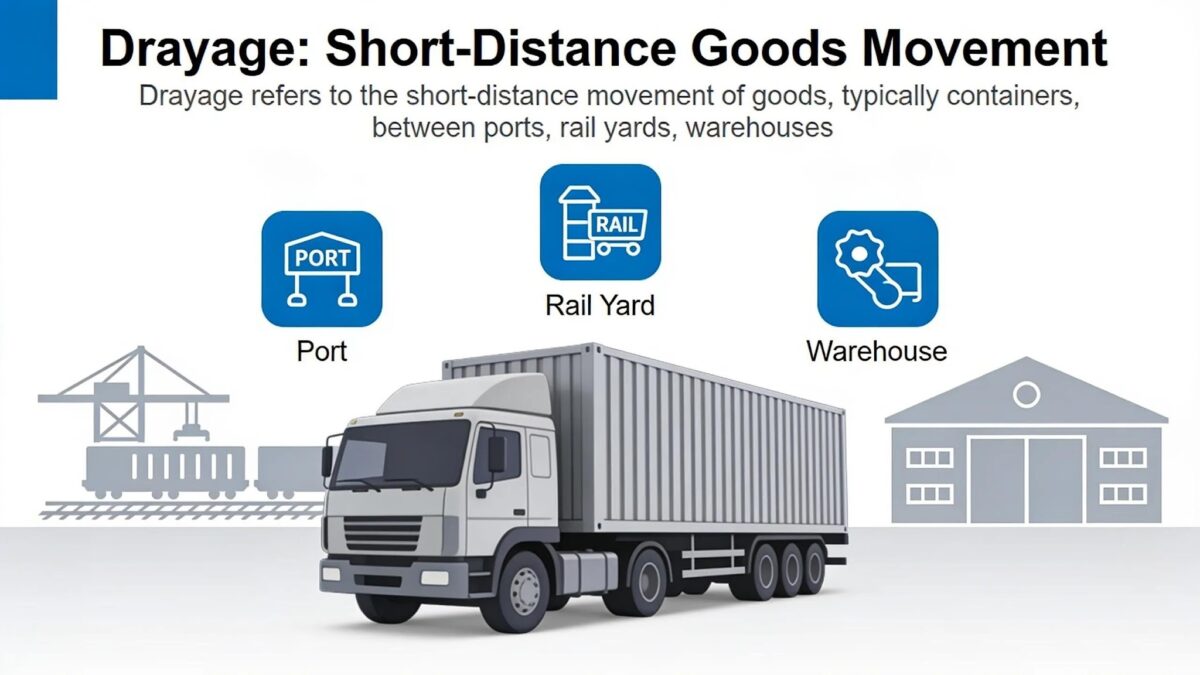
What Is Drayage in Trucking in Dallas/Fort Worth
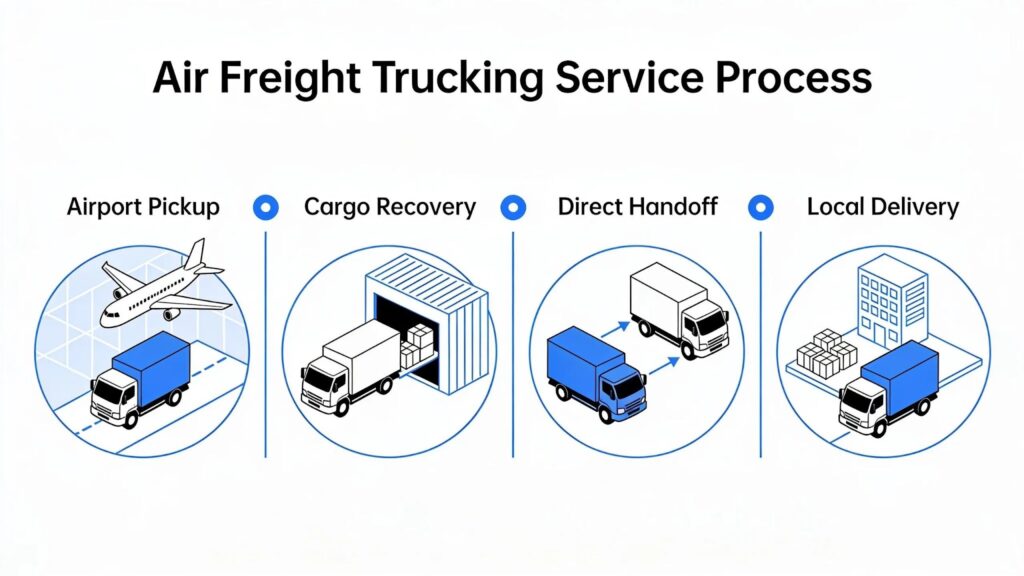
Drayage in air freight at DFW Airport means short-haul trucking of cargo between the airport and nearby warehouses, cross-docks, or distribution centers. First Class Trucking coordinates airport pickup, cargo recovery, direct handoff, and local delivery for time-sensitive freight moving through DFW and surrounding distribution points, applying 24/7 operations and TSA-approved drivers.
Key Takeaways
- Drayage moves freight short distances between airports, ports, rail yards, and distribution centers efficiently.
- First Class Trucking’s 22-person team handles time-sensitive air freight pickup and delivery operations.
- DFW Airport cartage connects long-haul shipments to local facilities for final destination delivery.
- Air freight drayage services link intermodal transportation networks, reducing overall shipping timelines significantly.
What Is Drayage in Trucking, Exactly?
What is drayage in trucking? It means moving containers over short distances between ports, rail yards, warehouses, and distribution centers. For your operation near DFW International Airport, that translates into moving air cargo from the ramp to a nearby warehouse or cross-dock facility within minutes, not hours.
So what does drayage mean in practical terms for a freight forwarder working the DFW corridor? It describes the connective tissue of intermodal transport. Drayage links long-haul air, ocean, or rail shipments to the local facilities where cargo gets staged for the next leg of its journey. A shipment landing at DFW and heading to a Fort Worth distribution hub relies on this exact function.
Does drayage cover long-distance hauls?
No. Drayage service typically stays within the same metropolitan area rather than crossing state lines. A DFW-to-Arlington or DFW-to-Fort Worth move fits the definition; a run to Houston does not.
Here’s what separates drayage from standard trucking around DFW:
- Distance: Short-haul, usually intra-metro
- Purpose: Connects air, rail, or ocean freight to local warehouses
- Speed: Time-sensitive, often scheduled around flight or vessel arrivals
- Function: Prevents bottlenecks at terminals and cargo facilities
What is drayage trucking without proper coordination? A recipe for congestion. Without dedicated drayage capacity, containers pile up at DFW cargo terminals and slow the movement of goods through your entire supply chain. Every delayed pickup pushes freight further behind schedule, and that delay compounds for downstream shippers waiting on connecting trucks. Reliable drayage service keeps your DFW freight moving instead of sitting idle on the tarmac.
What Does Drayage Mean for DFW Air Cargo?
Drayage describes the short-haul transfer of cargo between an airport, rail yard, or terminal and its next destination in the supply chain. For DFW-area logistics managers, understanding what drayage means matters because a container sitting idle at a cargo terminal costs you time and money on every delayed shipment. Air freight moving through Dallas/Fort Worth International Airport depends on this connecting link to reach warehouses, cross-dock facilities, or final delivery points without unnecessary dwell time.
What is drayage trucking, exactly?
Drayage trucking refers to the physical truck movement that executes this short-distance transfer. A dray truck retrieves a container from a port, rail yard, or intermodal terminal and hauls it the remaining miles to its staging point. In DFW, that often means pulling freight directly from airport cargo areas to a distribution center nearby.
How does drayage function within DFW air cargo operations?
Drayage functions as the coordination layer connecting your air shipment to ground movement. First Class Trucking coordinates airport pickup, cargo recovery, direct handoff, and local delivery for time-sensitive freight moving through DFW and surrounding distribution points. You need this service specifically when airport recovery, direct delivery, cross-docking, or temporary warehousing support becomes part of your shipment’s journey.
Reliability at this stage protects your supply chain from costly delays. First Class Trucking applies 24/7 operations. TSA-approved drivers to keep airport-linked freight moves secure and coordinated, giving you consistent visibility from pickup through final delivery. For forwarders managing tight cargo windows at DFW, that coordination determines whether freight clears on schedule or sits accumulating storage fees.
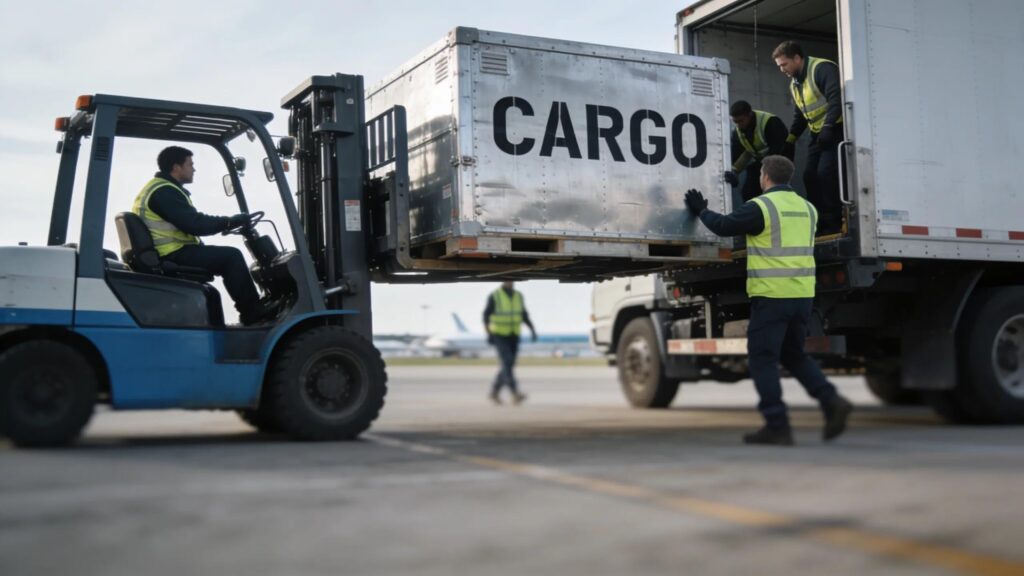
How Is Drayage Trucking Different From Cartage?
Drayage and cartage solve different problems in your DFW freight network, even though both move goods over short distances. What is drayage trucking? It’s the transportation leg that connects your air cargo, rail, or intermodal shipment to its next stop, whether that’s a distribution center near DFW Airport or a Fort Worth warehouse. Cartage, by contrast, typically covers general local delivery without that direct tie to a longer-haul transfer point.
Commercial shipping in the Dallas/Fort Worth corridor relies on both of these short-haul methods to keep freight moving. You need to know which one applies to your shipment, because the differences carry real operational weight.
Drayage bridges the gap between longer transportation legs, like an inbound air cargo flight into DFW, and the final destination facility your business depends on. Without that bridge, containers and pallets sit idle on the tarmac or at a rail yard instead of reaching your dock. Cartage generally handles more routine, standalone local moves that aren’t linked to a larger multi-leg shipment.
What does drayage mean for your DFW supply chain?
What does drayage mean in practical terms for a logistics manager working around DFW Airport? It means the difference between cargo clearing customs or ground handling and actually arriving at your facility on schedule. Choosing the correct service, drayage versus cartage, directly affects how efficiently your supply chain performs.
| Factor | Drayage | Cartage |
| Connects to longer-haul leg | Yes | No |
| Typical use | Airport, port, rail transfer | General local delivery |
| Role in supply chain | Bridges origin to destination | Standalone short move |
Given the number of options available for moving freight from point A to point B, understanding this terminology helps you choose the right service every time.
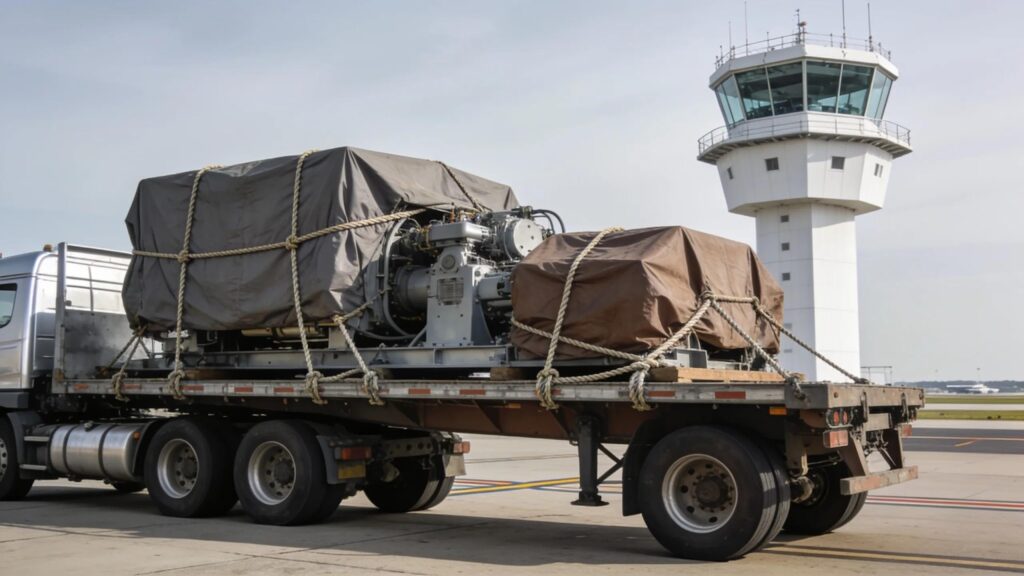
What Equipment Handles Drayage Freight Near DFW?
Four trailer types cover most short-haul moves around Dallas Fort Worth International Airport: flatbeds, step decks, reefers, and dry vans. Understanding what is drayage trucking requires knowing which equipment fits which cargo, since matching trailer type to freight prevents delays at cargo terminals and cross-dock facilities throughout the DFW area.
Flatbed trailers handle large cargo that can withstand weather exposure during the transfer from air cargo terminals to nearby warehouses. These trailers feature a completely open, apartment deck built for securing oversized or irregular loads with straps and chains rather than enclosed walls.
When freight stands too tall for a standard flatbed, a step deck trailer solves the clearance problem. Step decks sit lower to the ground, giving taller cargo the vertical room a flatbed can’t provide on routes between DFW-area facilities.
What trailer works best for temperature-sensitive freight?
Refrigerated trailers, often called reefers, protect freight that needs climate control during the trip between the airport and its final destination. This equipment matters most when a shipment depends on cold chain handling, keeping pharmaceuticals, perishables, or sensitive electronics within a stable temperature range throughout the short-haul leg.
| Equipment Type | Best For |
| Flatbed | Large cargo unaffected by weather |
| Step deck | Oversized or tall freight exceeding flatbed clearance |
| Reefer | Temperature-controlled, cold chain shipments |
Does every DFW drayage move need specialized equipment?
Not every load requires flatbeds or reefers. Standard full truckload trailers still move general cargo efficiently between terminals. Distribution points, reserving specialized equipment for freight with size or climate demands. Certain shipments also require hazmat transport handling when regulated materials move through DFW cargo facilities. Government transport protocols when the freight involves defense or federal contracts.
How Should DFW Shippers Choose a Drayage Partner?
Credentials matter more than pricing when cargo sits inside a security perimeter at DFW International Airport. Look for a partner whose coordinators carry certification and whose drivers pass background screening before they ever touch your freight. Speed matters, but only after security and reliability check out.
Start with what is drayage in trucking and how a provider structures the handoff from airside to warehouse. A certified logistics coordinator should manage the full sequence — booking, warehouse staging, and final delivery — as one continuous process rather than a set of disconnected handoffs. That single point of accountability reduces the chance a shipment stalls between DFW’s cargo terminals. Your Fort Worth or Dallas distribution point.
What credentials should a DFW drayage carrier hold?
TSA certification confirms a carrier has cleared Transportation Security Administration background checks and security reviews. For freight moving through DFW’s cargo facilities, that clearance isn’t optional. It’s the baseline for handling sensitive or high-value loads, similar to the standard First Class Trucking maintains as a trucking company in Los Angeles handling comparable government and defense freight.
Who actually handles my freight once it clears the airport?
Ask whether seasoned transportation staff oversee pickup through delivery, not just dispatch. Experienced crews catch problems before they become delays, guaranteeing safe and timely execution at every stage.
Before signing with any DFW-area partner, confirm these three points:
- Certified coordinators manage booking, warehousing, and delivery as one workflow
- Drivers and staff hold verified TSA clearance for sensitive cargo
- Seasoned professionals supervise each leg from pickup to final drop-off
Skip any of these, and you risk delays that ripple through your entire DFW supply chain. Visit First Class Trucking to review full service capabilities. Contact us to coordinate drayage support for your next DFW air cargo shipment.
FAQ
What is drayage in air freight at DFW Airport?
Drayage means short-haul trucking of cargo between DFW Airport and nearby warehouses, cross-docks, or distribution centers. It covers airport pickup, cargo recovery, direct handoff, and local delivery for time-sensitive freight.
How does drayage differ from standard long-haul trucking?
Drayage stays within the same metropolitan area, moving freight short distances between airports, rail yards, and warehouses. Standard trucking crosses state lines, while a DFW-to-Fort Worth move fits the drayage definition.
Who provides drayage services for DFW air cargo?
First Class Trucking, based in Hallandale Beach, Florida, operates a 22-person team handling airport pickup and delivery for time-sensitive air freight. The company applies 24/7 operations and TSA-approved drivers for DFW cartage.
Conclusion
In closing, drayage represents a critical link in air freight operations at DFW, bridging the gap between airport terminals and distribution networks with precision and speed. Understanding this essential service—from cargo handling to ground transportation—enables shippers. Logistics professionals to optimize their supply chains and maintain competitive advantage in time-sensitive markets. Reliable drayage execution directly impacts your freight’s velocity, compliance posture, and overall operational efficiency throughout the air cargo ecosystem.