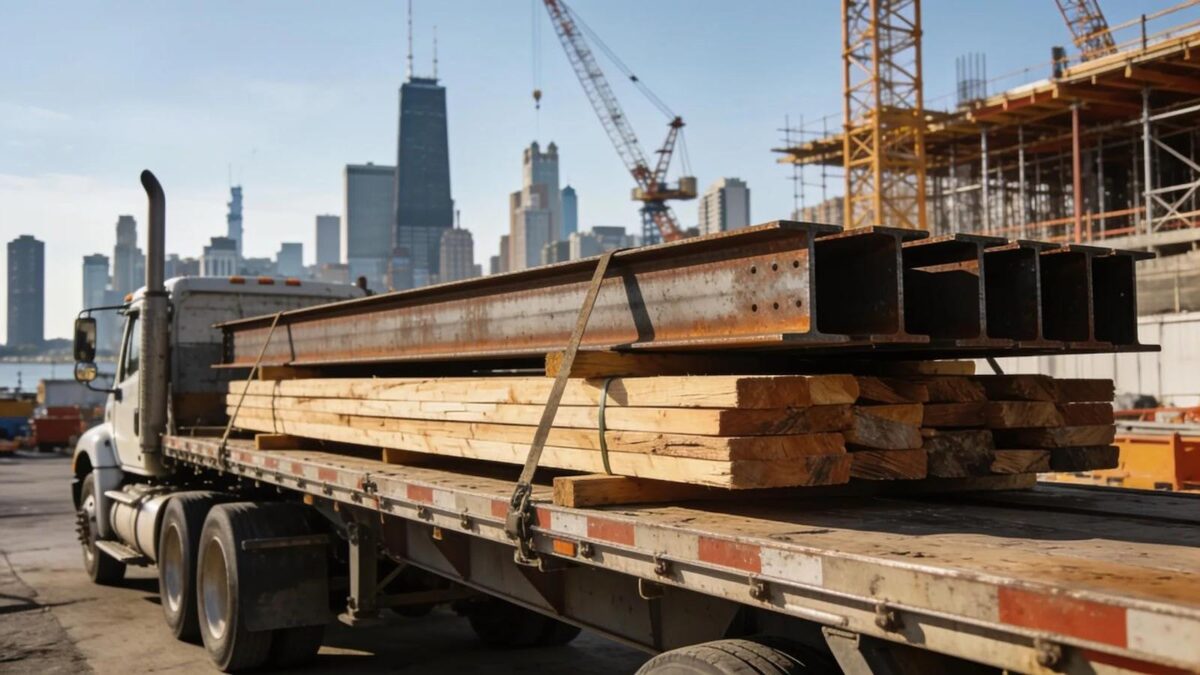
Flatbed Freight Services in Chicago: Reliable Transport of Construction Materials & Heavy Equipment
Flatbed trucking is essential for moving construction materials and heavy equipment across Chicago’s active construction market. These services handle oversized and irregular loads that enclosed trucks cannot accommodate. This page outlines flatbed operations, typical cargo types, and the safety practices used to secure deliveries. It also summarises First Class Trucking’s approach to timely logistics, heavy-equipment transport, compliance, and client success stories.
What Are Flatbed Trucking Services and Their Importance in Chicago?
Flatbed trucking provides specialized transport for large, heavy, or irregular items that enclosed vehicles cannot carry. The open deck permits easier loading and unloading, a necessity on sites with bulky materials and machinery. That efficiency is critical in Chicago’s busy construction sector, where schedules and safety drive decisions. Companies benefit from the flexibility that flatbed services offer, enabling transport of items from steel beams to heavy machinery.
How Do Flatbed Trucks and Trailers Operate?
Flatbed trucks use a simple, effective design. With no walls or roof, cargo can be lifted onto the deck by cranes or forklifts, enabling faster loading. Faster load cycles save time on site and support project schedules. Trailers include multiple tie-down points and securement systems to prevent load shifts and reduce the risk of damage or accidents.
Why Choose Flatbed Freight for Construction and Heavy Equipment?
Selecting flatbed freight for construction and heavy equipment delivers clear benefits. Its loading versatility accommodates varied cargo sizes and shapes. Flatbed operations follow safety and regulatory standards to ensure proper securement. Improved loading and transit efficiency shortens delivery times and supports faster project completion.
Which Construction Materials Are Commonly Hauled Using Flatbed Freight in Chicago?
Flatbed freight commonly hauls these construction materials:
- Steel Beams: Essential for structural frameworks.
- Lumber: Used extensively in framing and construction.
- Concrete Panels: Vital for building facades and structural components.
- Heavy Equipment: Such as cranes, excavators, and bulldozers, which require specialized hauling methods.
These materials often exceed the dimensions of enclosed trucks, making flatbeds the practical choice for safe, efficient transport.
What Safety Standards Govern Construction Material Hauling?
Safety is paramount in hauling construction materials. Regulations require proper securement to prevent shifting and accidents. This includes using approved tie-downs, following securement techniques, and conducting routine inspections of trailers and equipment. Ongoing driver training ensures personnel are competent in handling oversized loads and securement procedures.
How Does First Class Trucking Ensure Timely Delivery of Construction Materials?
First Class Trucking uses logistics technology to support on-time deliveries. Efficient route planning and real-time tracking optimise schedules to meet client requirements. Regular vehicle maintenance keeps flatbed trucks in serviceable condition, reducing mechanical delays. These practices support reliable transport so construction firms can maintain project momentum.
How Is Heavy Equipment Transportation Managed with Flatbed Trucks in Chicago?
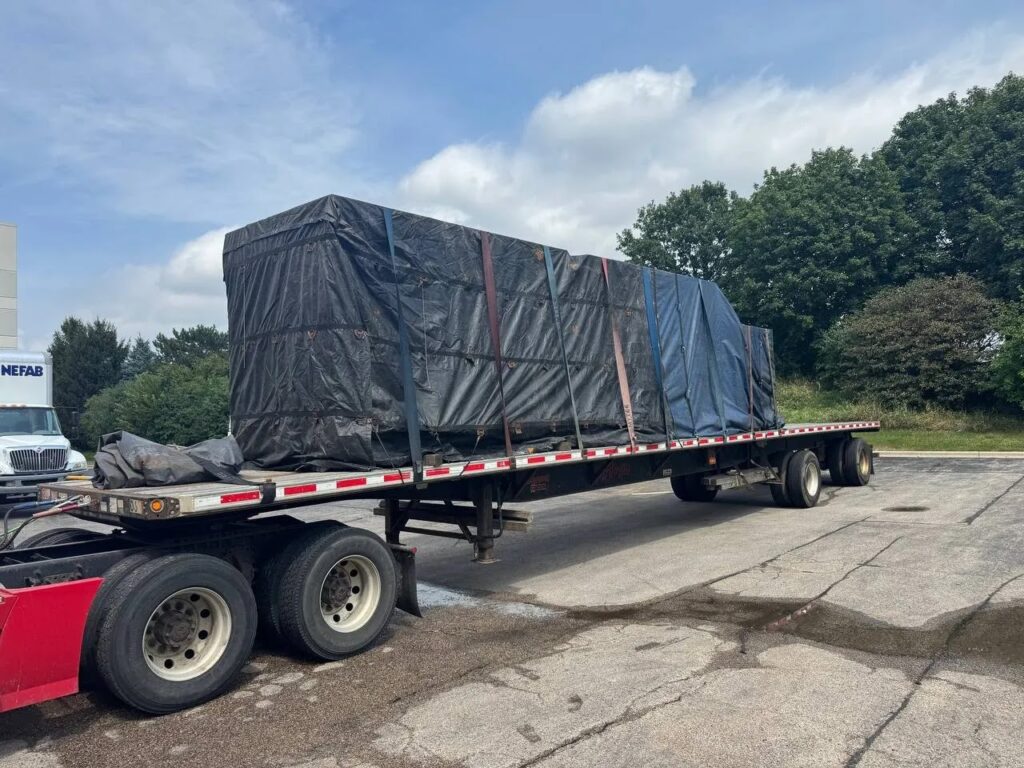
Heavy-equipment transport requires detailed planning and strict adherence to safety protocols. Operators must assess equipment dimensions and weight to select an appropriate flatbed configuration. Trained drivers perform loading and securement to prevent incidents in transit. Using specialized flatbed models capable of oversized machinery is essential for safe, successful moves.
What Types of Heavy Equipment Require Specialized Flatbed Hauling?
Certain heavy equipment demands specialized flatbed hauling because of size and weight. These include:
- Cranes: Often too tall and heavy for standard transport.
- Excavators: Require flatbed transport to handle their weight and dimensions.
- Bulldozers: Their robust construction often necessitates specific securement techniques.
Thorough assessment and preparation are required to transport these machines safely and efficiently.
Which Compliance Guidelines and Permits Affect Heavy Equipment Transport?
Heavy-equipment transport is governed by compliance rules and permit requirements. Operators must secure permits based on cargo weight and dimensions. Route planning is critical to avoid height or weight restrictions. Companies must follow local regulations, which vary by jurisdiction.
What Are Cost Estimations and Quote Processes for Flatbed Trucking in Chicago?
Flatbed trucking costs vary depending on load size, weight, distance, and handling needs. Businesses should supply detailed shipment dimensions and weight to obtain accurate quotes. First Class Trucking provides transparent estimates so clients understand pricing factors upfront.
How Can Businesses Obtain Prompt and Accurate Flatbed Transport Quotes?
To obtain prompt, accurate quotes, provide specific shipment details: material type, dimensions, weight, and required delivery timelines. This transparency aids First Class Trucking in producing precise estimates that reflect each shipment’s logistics.
What Factors Influence Flatbed Freight Costs in the Chicago Region?
Several factors influence flatbed freight costs in Chicago, including:
- Distance: Longer hauls generally incur higher costs due to fuel and labor expenses.
- Load Characteristics: Heavier or oversized loads may necessitate extra labor and equipment, increasing pricing.
- Market Conditions: Fluctuating fuel prices and demand for logistics services can impact overall costs.
Understanding these factors helps businesses manage budgets and optimize logistics planning.
Why Is Safety and Compliance Critical in Chicago Flatbed Transport Services?
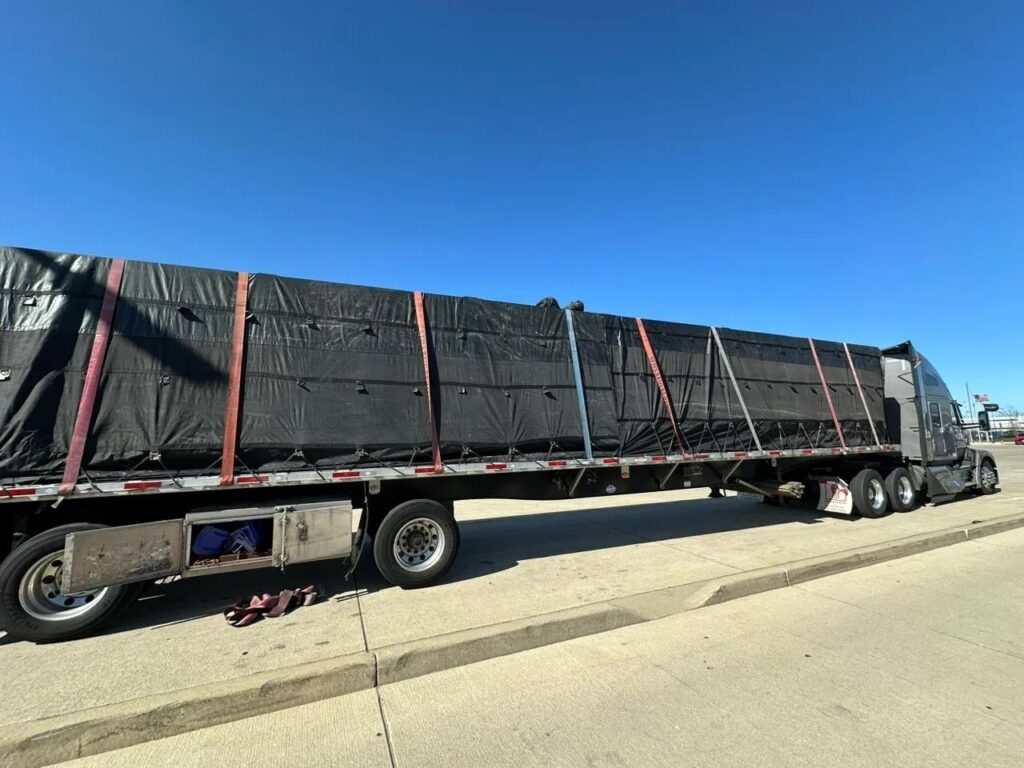
Safety and compliance are core to flatbed transport in Chicago. Consistent adherence to regulations reduces the risk of accidents and cargo damage. Maintaining high safety standards also supports a company’s reputation and client confidence.
Which Safety Protocols Are Followed During Load Securement?
Load securement protocols include several best practices to ensure safety during transport:
- Using Appropriate Tie-Downs: Ensuring that all loads are secured with proper materials to prevent shifting.
- Regular Inspections: Carrying out checks on equipment and load securement arrangements before departure.
- Driver Training: Ensuring drivers are well-trained in safe loading and transportation procedures.
Adherence to these protocols preserves load integrity and supports safe delivery.
How Does Regulatory Compliance Impact Heavy Equipment Hauling?
Regulatory compliance dictates weight limits, equipment standards, and approved routes for heavy-equipment hauling. Noncompliance can cause fines and delays, so operators must track applicable rules. Thorough planning ensures required permits are obtained and the transport process proceeds smoothly.
What Client Success Stories Highlight First Class Trucking’s Expertise in Flatbed Freight?
Numerous Chicago firms have used First Class Trucking’s specialized flatbed hauling to strengthen logistics. Tailored solutions improved inventory control and accelerated project timelines.
How Have Chicago Businesses Benefited from Specialized Flatbed Hauling Services?
Chicago firms have gained measurable benefits from specialized flatbed hauling, including:
- Inventory Management Improvements: Streamlined logistics prevent delays, improving inventory turnover rates.
- Cost Efficiencies: Optimized transport routes and methods reduce overall logistics costs.
- Timeliness of Delivery: Reliable transport ensures materials and equipment arrive on schedule, supporting project timelines.
These outcomes highlight the value of selecting an experienced flatbed provider.
What Do Clients Say About Service Reliability and Professionalism?
Clients regularly praise First Class Trucking for delivery reliability and professionalism. Testimonials emphasise punctual deliveries and consistent communication during transport. This commitment to customer satisfaction strengthens client relationships and the company’s standing in Chicago logistics.
Companies seeking broader freight solutions can explore services such as full truckload to manage larger shipments efficiently.
For transport beyond Chicago, reviewing operations in other regions, for example in Los Angeles, provides insight into national logistics capabilities.
Frequently Asked Questions
What Kind of Insurance is Required for Flatbed Freight Transportation?
Flatbed transport requires specific insurance to cover damage and liability. Carriers typically maintain cargo insurance for goods in transit and general liability for accidents or property damage. Shippers should verify a provider’s insurance limits and policy scope to confirm adequate protection for valuable or heavy shipments.
How Do Flatbed Trucking Services Handle Weather-Related Challenges?
Operators manage weather risks through training, monitoring, and contingency planning. Drivers follow safety protocols and companies may adjust schedules, reroute, or use weather-resistant securement methods. Clear client communication about delays and revised ETAs minimises disruption and preserves cargo integrity.
Are There Specific Training Requirements for Flatbed Truck Drivers?
Yes. Flatbed drivers receive training in load securement, equipment operation, weight and dimension regulations, and emergency procedures. Ongoing education is necessary as rules change. Well-trained drivers are essential to safe, reliable flatbed transport.
What Should Businesses Consider When Choosing a Flatbed Freight Service?
When choosing a flatbed provider, evaluate reputation, industry experience, and service range. Confirm expertise in moving the required material types. Request transparent pricing, tracking capabilities, and responsive customer service to ensure alignment with operational needs and delivery expectations.
How Do Flatbed Freight Services Contribute to Sustainability in the Construction Industry?
Flatbed services can support sustainability by optimizing routes and maximizing load utilisation to reduce fuel use and emissions. Advanced logistics tools and efficient loading practices reduce the need for extra trips. Selecting carriers with eco-friendly operations aligns transport with construction sustainability goals.
Can Flatbed Shipping Be Used for Out-of-State Transport?
Yes. Flatbed shipping is suitable for interstate transport but requires compliance with state-specific permits and regulations. Ensure the carrier understands interstate rules to avoid legal issues. Effective logistics planning ensures timely delivery while meeting regulatory requirements.
Conclusion
Using flatbed freight for construction materials and heavy equipment improves efficiency while maintaining safety and compliance. In Chicago’s competitive construction market, these services support timely project delivery and logistical flexibility for oversized loads. Selecting a reliable partner such as First Class Trucking ensures secure, compliant transport tailored to project requirements. Review our full service offering to identify how flatbed transport can strengthen your logistics.