How JFK Airport Drayage Works: A Complete Guide for Shippers Moving Air Cargo by Truck
Air cargo logistics at major hubs such as JFK present operational and regulatory complexities, particularly for drayage services. This guide explains the key processes, regulatory requirements, and service options relevant to JFK drayage provided by a Trucking Company JFK International Airport. A clear understanding of these elements supports timely, efficient cargo movement and reduces risk to the broader supply chain. The following sections outline container pickup procedures, compliance obligations, available service levels, and operational best practices to help shippers manage JFK air cargo trucking effectively.
What Is Airport Drayage and How Does It Apply at JFK Airport?
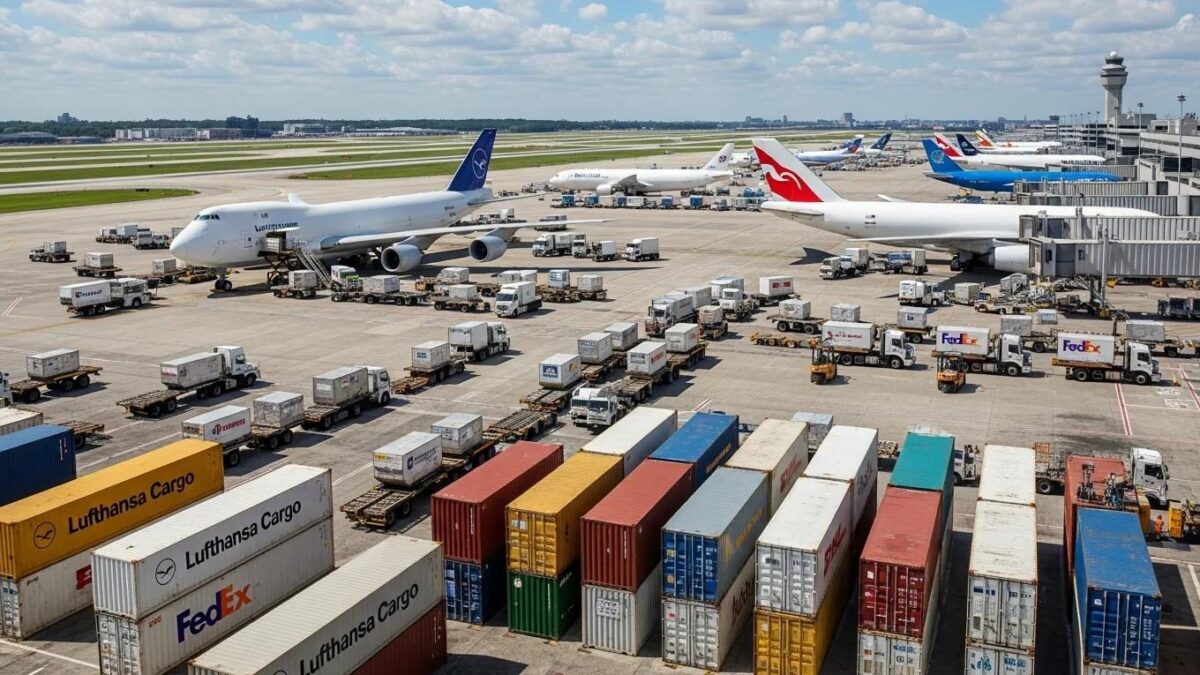
Airport drayage denotes the short-distance transport of cargo between an airport and nearby warehouses or distribution centers. At JFK, drayage is a core function that moves shipments from aircraft to ground transportation while supporting schedule adherence and regulatory compliance. Its performance directly affects throughput and supply chain reliability.
Further research highlights ongoing initiatives to streamline the cargo operational environment and improve truck flow at JFK Airport.
Optimizing JFK Airport Cargo Operations & Truck Flow
This work describes the operational cargo environment and the current state of cargo operations at JFK Airport.
JFK Cargo View: A system to speed Truck Traffic Flow at JFK Airport, 2022
What Is Container Drayage and Its Role in Air Cargo Logistics at JFK?
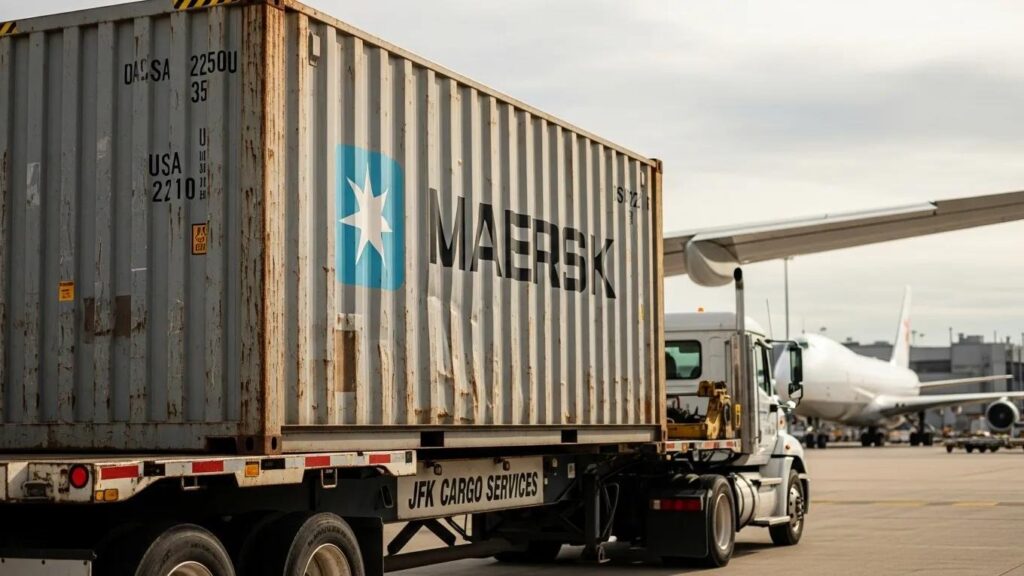
Container drayage covers the transport of shipping containers from the airport to their onward destinations. At JFK, this activity ensures goods are moved promptly and securely from airside facilities to local points of distribution. Effective planning must account for container dimensions, weight, and any cargo-specific handling requirements to reduce transit risk and preserve delivery timelines.
Indeed, improving container drayage efficiency is a key objective for strengthening overall supply chain performance.
Enhancing Container Drayage Efficiency & Supply Chain Services
Challenges to the efficiency of container drayage have been identified and analysed.
Modeling and Optimization of Container Drayage Problem with Empty Container Constraints across Multiple Inland Depots, 2024
What Are the Step-by-Step JFK Cargo Container Pickup Procedures?
Familiarity with the container pickup workflow at JFK is necessary to maintain operational continuity. Typical steps include verifying documentation, coordinating with trucking providers, and meeting airport access and security requirements.
How Do Trucking Companies Coordinate Container Pickup at JFK Airport?
Trucking companies coordinate pickups using logistics software and real-time tracking to confirm cargo availability and schedule movements. Close communication with airport stakeholders provides timely updates on access and handling. These tools and processes enable route and schedule optimization, reducing dwell time and improving drayage reliability.
What Compliance Regulations Must Be Followed During JFK Drayage?
Compliance is central to drayage operations at JFK. Shippers and carriers must meet Transportation Security Administration requirements, including accurate documentation and security screening. Non-compliance can cause operational delays and financial penalties, so stakeholders should monitor regulatory updates and maintain required records.
Which Service Options Are Available for JFK Airport Freight Trucking?
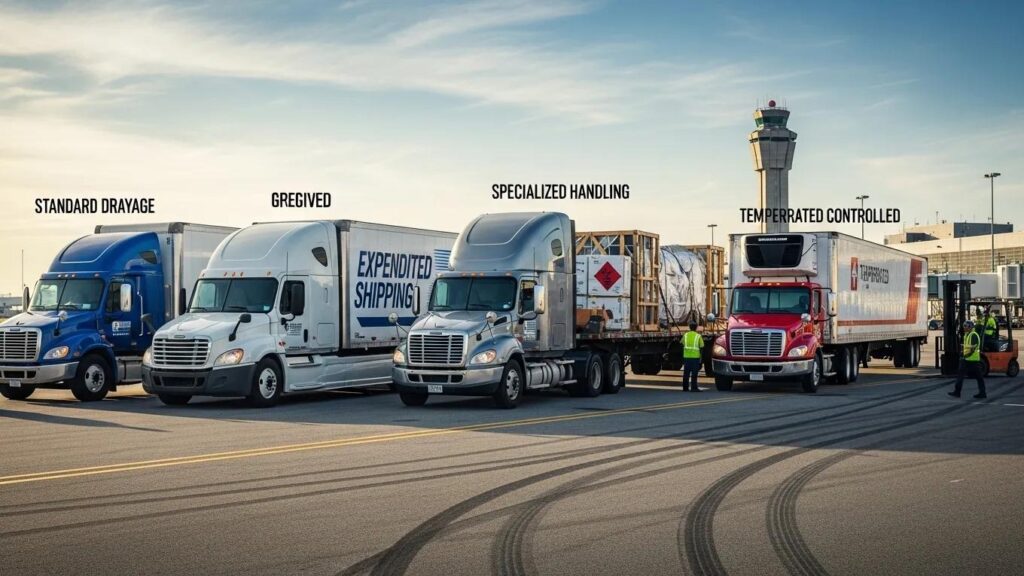
Shippers at JFK can select from service options such as standard drayage, expedited shipping, and specialized handling for sensitive cargo. Assessing these options against shipment requirements enables selection of the most appropriate service level for cost, speed, and handling needs.
| Service Type | Description | Pricing |
| Standard Drayage | Basic transportation of cargo from JFK to local destinations | Varies based on distance and cargo type |
| Expedited Shipping | Fast-tracked service for urgent shipments | Higher rates apply |
| Specialized Handling | Services for fragile or temperature-sensitive cargo | Premium pricing based on requirements |
What Are the Differences Between Full Truckload and Flatbed Services for Air Cargo?
Shippers should distinguish between full truckload (FTL) and flatbed services when specifying freight requirements. FTL dedicates an entire vehicle to a single shipment and suits high-volume consignments. Flatbed transport is appropriate for oversized or heavy items that do not fit in enclosed trailers. The optimal choice depends on cargo dimensions, weight, and handling constraints.
How Does First Class Trucking Tailor Services for JFK Air Cargo Shippers?
First Class Trucking offers tailored solutions for JFK air cargo shippers, combining technology and operational expertise to manage shipments efficiently. Services include real-time tracking, customized logistics planning, and dedicated support to address airport-specific requirements. These capabilities help shippers reduce transit times and enhance supply chain performance.
How Is Pricing Determined and How Can Shippers Request Quotes for JFK Drayage?
JFK drayage pricing reflects factors such as cargo type, distance, and selected service level. To obtain accurate quotes, shippers should provide detailed shipment data — weight, dimensions, commodity, and required delivery window — so carriers can produce precise pricing aligned to operational needs.
What Factors Influence Container Drayage Service Costs at JFK Airport?
Several factors can affect container drayage costs at JFK, including service level selection, the distance to the final destination, and cargo characteristics such as weight and dimensions that may necessitate specialized equipment or handling.
How to Use Online Tools to Obtain Accurate JFK Drayage Quotes?
Online quoting tools allow shippers to enter shipment specifics—weight, dimensions, destination—and receive immediate price estimates from multiple carriers. These comparisons support informed decision-making and help select the solution that balances cost and service requirements.
What Are Common Challenges in JFK Airport Drayage and How Are They Addressed?
Common challenges in JFK drayage include road congestion, compliance complexities, and scheduling conflicts. Effective mitigation requires advance planning, clear communication with carriers, and adaptive operational procedures to reduce disruption.
How Do Trucking Companies Manage Scheduling and Compliance Challenges?
Trucking companies apply several measures to manage scheduling and compliance, including:
- Traffic Monitoring: Utilizing real-time traffic data to adjust routes and avoid delays.
- Certified Logistics Coordinators: Employing trained professionals to ensure compliance with all regulations.
- Advanced Technology: Implementing logistics software to streamline operations and improve communication.
What Are Best Practices for Ensuring Timely and Safe Air Cargo Delivery?
To ensure timely and safe air cargo delivery, shippers should adhere to several best practices:
- Advanced Scheduling: Plan pickups and deliveries well in advance to avoid last-minute issues.
- Utilization of Technology: Leverage tracking systems to monitor shipments in real-time.
- Security Compliance: Ensure all cargo meets TSA regulations to prevent delays.
Where Can Shippers Find Additional Resources and Support for JFK Air Cargo Trucking?
Shippers seeking additional resources and operational support can contact First Class Trucking. The company provides detailed service information, tailored logistics solutions, and guidance for managing JFK air cargo movements.
For inquiries, shippers can contact First Class Trucking at:
- Email: sales@truckfirstclass.com
- Phone: (954) 228-2441
- Address: 1100 Lee Wagener Blvd Ste 338, Fort Lauderdale, FL 33315
What FAQs Address Common Shipper Concerns About JFK Drayage?
Clarifying common concerns helps shippers manage drayage more effectively. The following frequently asked questions address documentation, tracking, and delay response procedures.
- What documentation is required for drayage?Shippers must provide shipping manifests, customs documentation, and any necessary permits.
- How can I track my shipment?Most trucking companies offer tracking services that allow shippers to monitor their cargo in real-time.
- What should I do if my shipment is delayed?Contact your trucking company immediately to understand the cause of the delay and explore alternative solutions.
How Do Industry Regulations and Port Authority Guidelines Impact Drayage Services?
Industry regulations and port authority guidelines significantly influence drayage operations at JFK. Compliance ensures operational continuity and cargo safety; failure to adhere can disrupt schedules and incur penalties. Shippers and carriers should monitor regulatory changes and adjust procedures accordingly.
Frequently Asked Questions
What are the key benefits of using drayage services at JFK Airport?
Drayage services at JFK enable rapid transfer of cargo from airside facilities to local distribution centers, reducing lead times. They support regulatory compliance, lowering the risk of fines and operational interruptions. Additionally, these services offer visibility through tracking and communication, which improves supply chain control and customer service outcomes.
How can shippers prepare for potential delays in drayage services?
Shippers should adopt proactive planning, including scheduling pickups early and building buffer time into delivery timelines. Monitoring traffic conditions and airport operations, and maintaining open lines with carriers, provide timely updates that reduce the operational impact of delays.
What technology is commonly used in JFK drayage operations?
JFK drayage operations commonly use advanced logistics platforms for real-time tracking, route optimization, and schedule management. Mobile applications and integrated systems facilitate communication between shippers, carriers, and drivers, improving transparency and operational responsiveness.
What types of cargo are best suited for drayage services at JFK?
Drayage services at JFK are appropriate for perishable items, time-sensitive shipments, high-value goods requiring secure handling, and specialized cargo such as oversized or fragile items. Carriers can provide the necessary equipment and handling protocols to meet these requirements.
How do seasonal fluctuations affect JFK drayage services?
Seasonal peaks and special events increase cargo volumes and can cause congestion and longer pickup times. Weather can also disrupt schedules. Shippers should plan for these fluctuations by booking earlier and maintaining flexibility in delivery timelines. Flatbed transport services are also an important consideration.
What role do local regulations play in JFK drayage operations?
Local regulations govern safety standards, environmental requirements, vehicle specifications, and permit obligations that affect drayage operations. Compliance is essential to avoid penalties and ensure efficient movement of cargo within the local jurisdiction.
Conclusion
A thorough understanding of JFK drayage processes enables shippers to improve logistics efficiency and maintain on-time delivery. Applying technology, enforcing compliance, and selecting tailored service options reduce risk and enhance operational performance. For additional guidance and operational support, contact First Class Trucking.