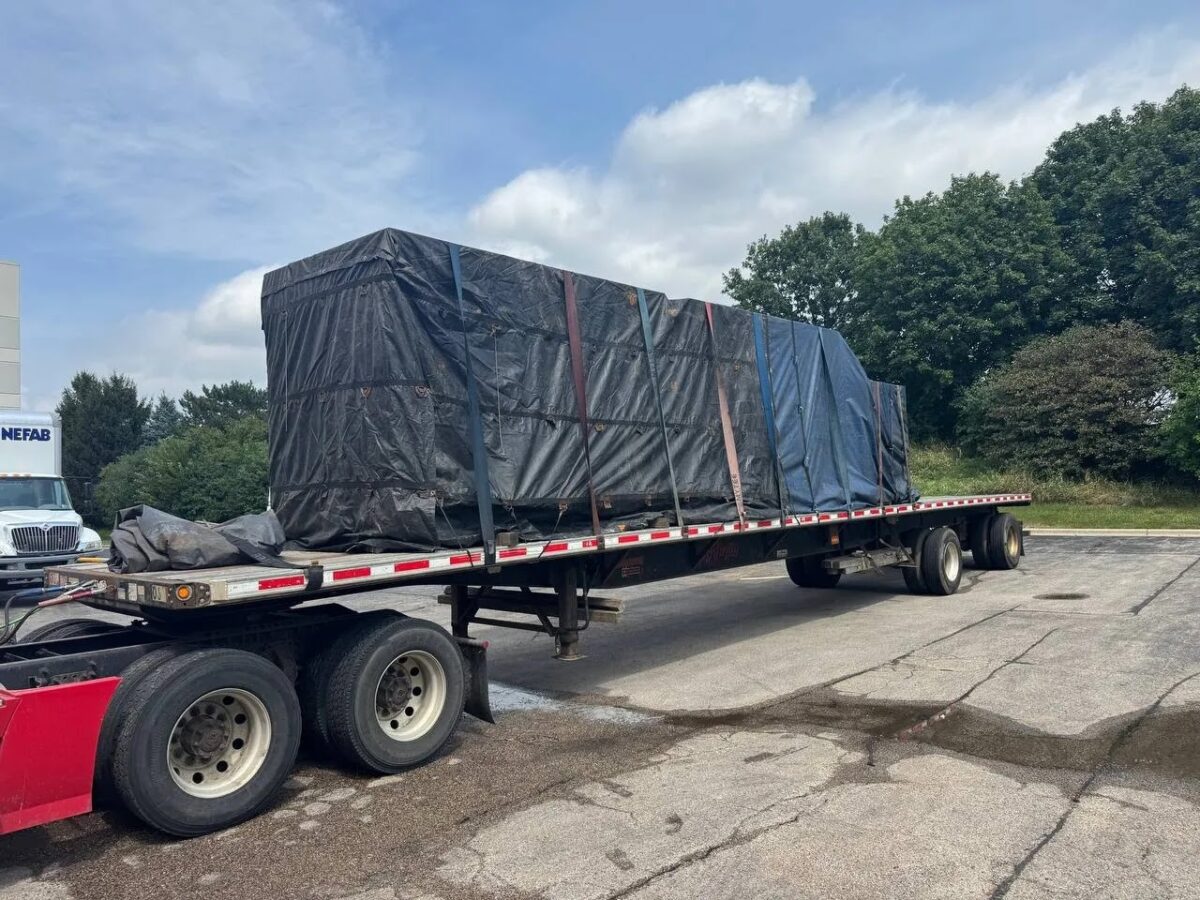
Oversized Load Chicago Trucking Services: Comprehensive Permits, Planning, and Heavy Haul Logistics Guide
Transporting oversized loads in Chicago requires adherence to specific regulations and operational standards. This guide examines oversized load trucking services, essential permits, planning methodologies, and key logistics considerations. It explains the challenges of moving heavy freight—such as large equipment and construction materials that exceed standard dimensions—and the measures businesses must take to avoid delays and fines. Effective management of these operations improves efficiency and strengthens client service outcomes.
The article covers permit requirements, planning tactics, cost drivers, and environmental considerations for heavy haul logistics. It also outlines how a provider such as First Class Trucking can streamline compliance and planning to reduce operational friction.
Understanding Oversized Load Transportation
Oversized load transportation denotes the movement of cargo that exceeds standard road transport limits. Loads are classed as oversized when width, height, or weight surpass regulatory thresholds established by road authorities. Managing these loads is critical to minimise infrastructure damage and reduce on-road safety risks.
Recognising common challenges—route restrictions, specialised equipment needs, and regulatory compliance—improves logistics planning and execution. Each factor is integral to navigating the complexities of heavy haul transport.
Essential Permits
Securing the correct permits for oversized loads in Chicago is a legal requirement. Permit types are determined by the loads dimensions and weight and dictate authorised routes and conditions.
- Oversized Load Permit: This permit is required for any load exceeding the maximum allowable dimensions on public roads.
- Oversize/Overweight Special Permit: Specific for loads that surpass weight limits, necessitating government approval for transport.
- Local Permits: Depending on the city, there may be additional permits required, particularly for navigating local streets and bridges.
The permit process typically requires completed applications, accurate load specifications and, in some cases, proposed route plans for municipal review. Local ordinances may impose further conditions that must be met for compliant transport.
What Are the Essential Oversized Load Permit Requirements in Chicago?
- Providing accurate dimensions and weight of the load.
- Outlining the planned route, especially if it involves high-traffic areas or particular regulations.
- Ensuring that the application is submitted in advance to allow for processing time.
How to Apply for and Secure Oversized Load Permits in Chicago?
- Complete the permit application form, which can often be found on the official city or state transport website.
- Pay applicable fees that are often assessed based on the specific permits required.
- Submit the application along with any required documentation, including proof of insurance and liability coverage.
Timely submission and complete documentation accelerate approvals and reduce operational delays.
Planning Strategies
Effective planning underpins safe and efficient oversized load transport. A detailed route plan prevents encounters with low clearances, narrow corridors and restricted access points.
Key planning strategies include:
- Route Assessment: Analyze the route for any potential obstacles that may hinder transport, such as bridges with height restrictions or roads that are too narrow for oversized vehicles.
- Communication: Keeping open lines with local transportation authorities can mitigate risks and provide clear guidance on ongoing regulations affecting your load.
- Safety Considerations: Implementing safety protocols, such as utilizing escort vehicles for extremely large loads, can enhance safety and compliance with regulations.
Applying these strategies helps planners reduce risk, maintain schedules and remain compliant with legal requirements.
How Does Chicago Logistics Planning Optimize Oversized Freight Transport?
Logistics planning assesses operational variables to maximise efficiency and limit disruption. Tools like GPS tracking and real-time updates improve coordination among drivers, dispatch and local authorities, supporting safer and more reliable deliveries.
What Are the Key Route Planning Strategies for Heavy Haul in Chicago?
- Pre-Trip Surveys: Conducting on-site assessments before transport to identify potential roadblocks.
- Dynamic Scheduling: Adjusting the load’s transportation schedule based on real-time road conditions and traffic information.
- Multi-Modal Transportation: Considering rail or intermodal options for certain segments of the transport if advantageous.
Implementing these route-planning methods optimises transport, reduces costs and improves delivery reliability.
Heavy Haul Logistics
Heavy haul logistics demands technical understanding of specialised equipment and strict safety protocols. It covers movement of large, high-mass items that require purpose-built trucks and trailers to transport safely and compliantly.
What Specialized Equipment and Flatbed Trucking Solutions Support Oversized Loads in Illinois?
Specialised equipment is essential to move oversized loads safely. Typical solutions include flatbed and lowboy trailers, plus multi-axle tractors designed to distribute weight and maintain stability under heavy loads.
- Flatbed Trailers: These are essential for transporting wide loads that cannot be enclosed.
- Lowboy Trailers: Used for exceptionally tall items, offering a low center of gravity for stability.
- Multi-Axle Trucks: These distribute weight more evenly and can carry heavier loads safely.
Selecting equipment that matches cargo dimensions and weight directly affects safety and transport efficiency.
What Flatbed Truck Types and Specifications Are Used for Oversized Load Transport?
Flatbed trucks are available in multiple configurations to meet specific load requirements. Common types include standard flatbeds, step decks and extendable flatbeds to accommodate longer or taller items.
- Standard Flatbed Trailers: Designed for general oversized cargo.
- Step Deck Trailers: Featuring a lower section to accommodate taller freight.
- Extendable Flatbeds: Allow for increased length to transport longer items and can be extended as needed for various loads.
Equipment selection should align with the loads dimensions and applicable transport regulations to ensure compliance and operational effectiveness.
How Do Equipment Features Enhance Safety and Efficiency in Heavy Haul Trucking?
Safety systems integrated into heavy haul equipment are critical. Features such as advanced brakes, stabilisers and secure load restraints reduce the risk of incidents during transit.
- Advanced Braking Systems: Essential for managing the stopping power necessary for heavy loads.
- Stabilizing Systems: Prevent swaying or tipping of the loaded cargo during transport.
- Load Securing Mechanisms: To ensure that the load remains intact and does not shift during transit.
Using certified, well-maintained equipment improves safety outcomes and enhances overall operational efficiency.
Cost Considerations
Cost drivers for oversized load transport affect budgeting and project feasibility. Multiple variables determine final pricing for heavy haul services.
What Factors Influence Pricing for Heavy Haul and Oversized Load Services?
- Distance: The longer the load must travel, the higher the cost.
- Route Complexity: Routes with numerous obstacles or heavy traffic are usually more expensive due to increased planning and required resources.
- Time Sensitivity: Expedited services typically incur additional fees.
How Can Businesses Request Accurate Quotes and Review Successful Case Studies?
- Provide detailed information about the load, including dimensions, weight, and destination.
- Inquire about previous case studies or testimonials from the trucking company to gauge their effectiveness in handling similar shipments.
- Discuss pricing models, including flat rates versus hourly rates, to understand which would best suit their needs.
Gathering detailed load data and case references enables informed vendor selection. For complex logistics, engaging a specialised provider can deliver measurable operational benefits.
Environmental Considerations
Environmental impacts are increasingly relevant in heavy haul operations. Compliance with emissions standards and adoption of fuel-efficient practices help reduce regulatory risk and environmental footprint.
How Do Safety Regulations Affect Oversized Load Transportation Routes?
Safety regulations determine permissible routes for oversized loads to protect public safety and infrastructure. Restrictions may apply during severe weather or peak traffic; following these rules maintains compliance and public confidence in heavy haul services.
Businesses that partner with experienced providers such as First Class Trucking benefit from expertise in permit acquisition, route planning and regulatory compliance, which streamlines operations.
For specialised requirements or operations in other major hubs like Los Angeles, coordinating with a regional partner ensures services are tailored to local conditions and regulations.
Frequently Asked Questions
What are the typical dimensions that classify a load as oversized in Chicago?
In Chicago, a load is typically classified as oversized if it exceeds 8.5 feet in width, 13.5 feet in height, or 80,000 pounds in weight without special permits. These limits are set by the Department of Transportation to ensure safety on public roads. When planning transport, its critical to measure your cargo accurately and consult local regulations to avoid fines and disruptions.
How does weather impact oversized load transportation in Chicago?
Weather affects route safety and timing. Heavy rain, snow or high winds can delay shipments, force reroutes or require extra safety measures such as escorts. Operators should monitor forecasts and build contingency time into schedules.
What are the potential penalties for not adhering to oversized load regulations?
Non-compliance can lead to fines, vehicle impoundment and higher insurance premiums. If negligence causes damage or accidents, businesses may face liability claims and reputational harm. Adhering to regulations reduces these legal and financial risks.
Is there a specific time when oversized loads are prohibited from traveling on Chicago roads?
Yes. Chicago restricts oversized load travel during peak traffic and certain high-traffic periods. Typical prohibitions include rush hours (7 AM – 9 AM and 4 PM – 6 PM) and select busy routes. Always verify current local restrictions before scheduling transport.
How can technology improve the efficiency of oversized load transport?
Technology enhances efficiency through real-time GPS tracking, advanced route-planning software and improved communication tools. These systems enable proactive decision-making and better coordination between drivers, dispatch and authorities.
What are the options for insurance coverage for transporting oversized loads?
Insurance for oversized load transport usually requires specialised policies beyond standard liability. Coverage can include cargo protection, third-party property damage and excess liability for accidents. Consult an insurance specialist familiar with heavy haul operations to secure appropriate protection.
Conclusion
Effective management of oversized load transport in Chicago reduces regulatory risk and protects infrastructure and public safety. Businesses that plan carefully and secure required permits improve operational efficiency and lower the chance of penalties. Engaging a specialised provider like First Class Trucking offers practical expertise in permits, planning and execution to simplify heavy haul logistics and deliver dependable results.