
Should Houston Shippers Hire an Asset-Based Trucking Company or a Freight Broker?
Houston shippers moving time-sensitive, high-value, or specialized freight should hire an asset-based trucking company, because the carrier owns its trucks and controls your load from pickup to delivery. A freight broker suits occasional, flexible spot shipments. The Question Every Houston Shipper Asks Eventually If you move...
Explore More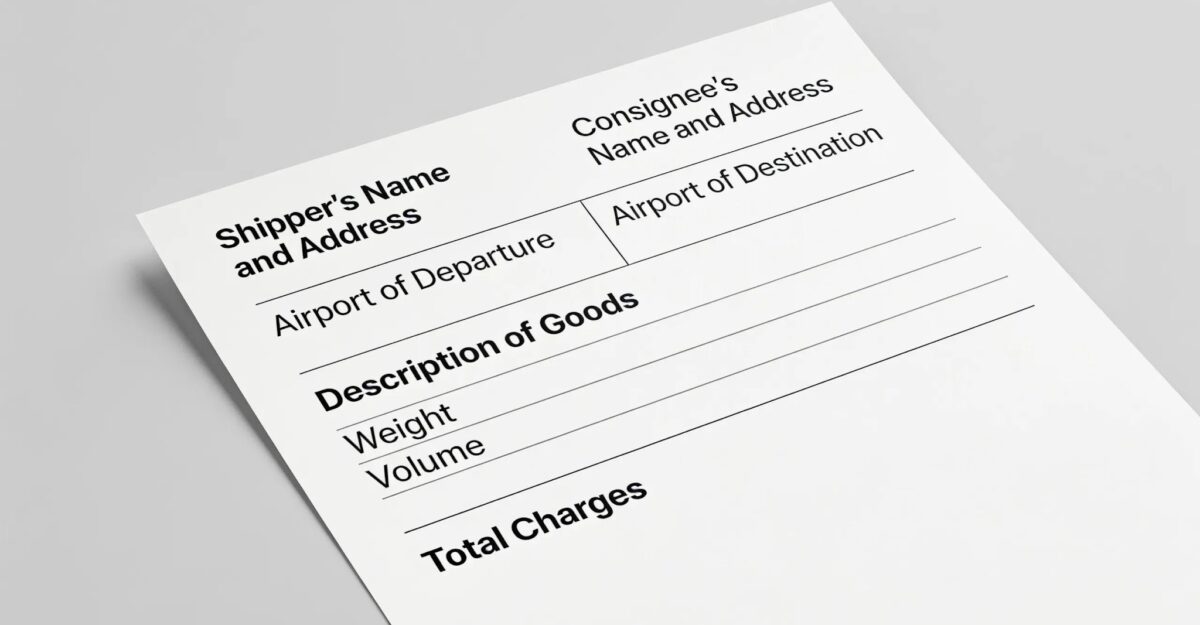
What Is an Air Waybill? How AWB Numbers Control Cargo Release
An air waybill (AWB) is a non-negotiable contract of carriage between you. The carrier, issued for every air freight shipment. Its unique AWB number tracks your cargo from origin airport to destination and confirms shipment details for customs. Cargo release requires matching that number, verifying consignee identity, and...
Explore More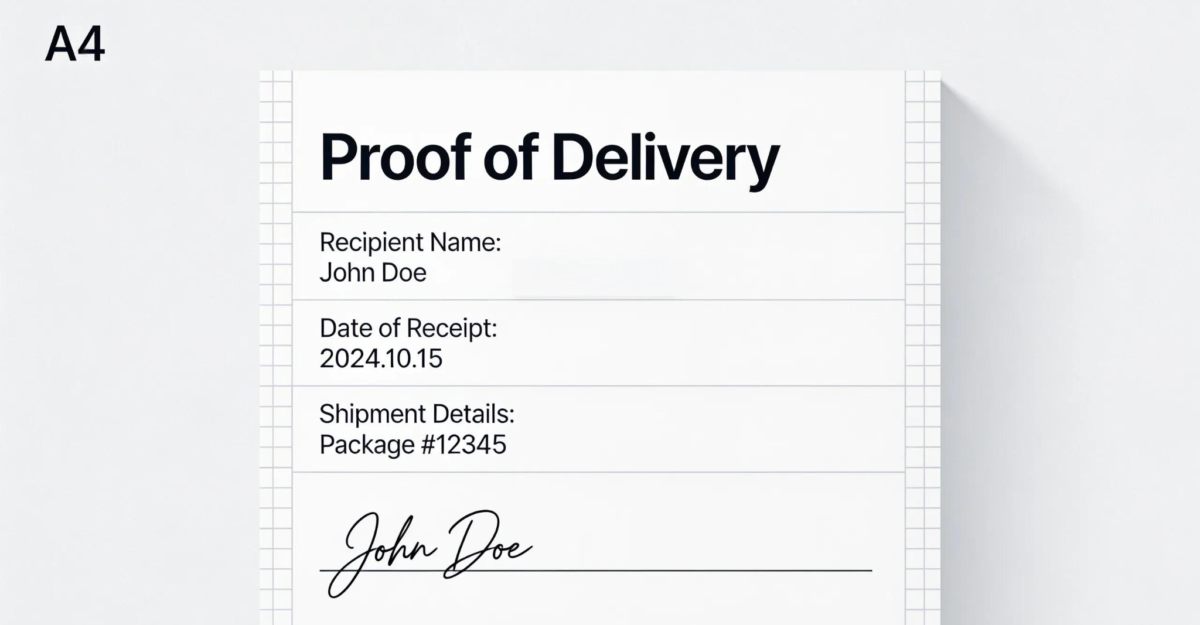
Full Truckload Shipping Documentation: Bill of Lading and Proof of Delivery Explained
Full truckload shipments require two core documents: the Bill of Lading (BOL) and Proof of Delivery (POD), both filled out, executed, and countersigned for every load. First Class Trucking’s certified logistics coordinators manage this documentation from booking through final delivery, protecting your shipment records...
Explore More
How to Reduce Full Truckload Shipping Costs
Consolidation, flexible scheduling, and route optimization cut full truckload costs most effectively. First Class Trucking, a 22-employee carrier based in Hallandale Beach, Florida, helps shippers control controllable factors like weight distribution and timing to avoid unnecessary surcharges and lower overall FTL freight...
Explore More
Dedicated Fleet vs. Spot Market Full Truckload: What’s the Difference?
Dedicated truckload capacity locks in guaranteed trucks at a fixed contract rate, shielding your budget from volatility. Spot market full truckload buys capacity load-by-load at prevailing prices, with marginal trucking costs averaging $2.27 per mile in 2023. Your freight predictability determines which model protects your...
Explore More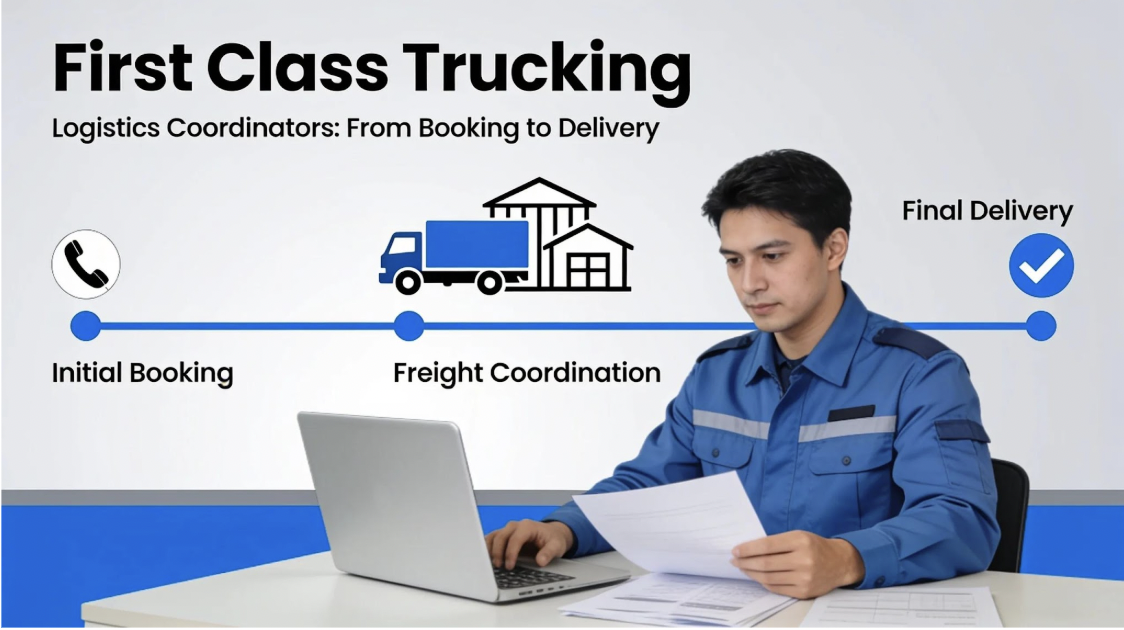
Full Truckload vs. Intermodal Shipping: Which Is Better for Your Freight?
Full truckload moves your freight in one dedicated trailer, door to door, with no transfers. Intermodal combines truck and rail in one container, trading speed for a lower line-haul rate on long, flexible lanes. Choose FTL for urgency and control; choose intermodal for cost on distance. Introduction Every shipper eventually...
Explore More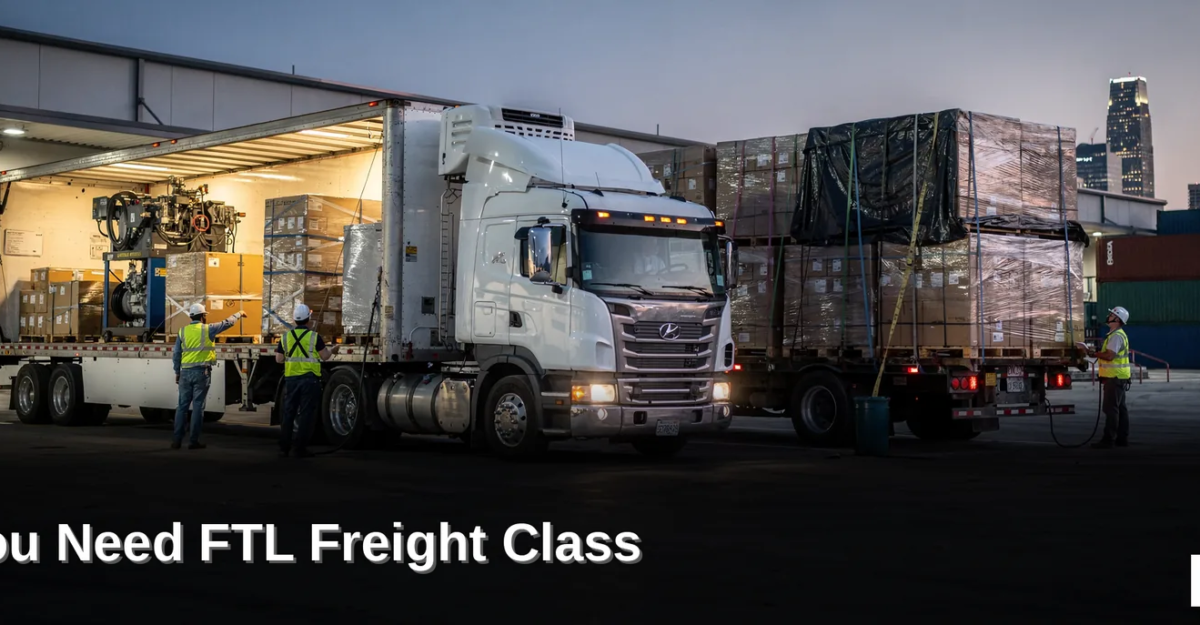
Do You Need a Freight Class for Full Truckload Shipping?
Full truckload shipments require no NMFC freight class, unlike less-than-truckload (LTL) freight, which relies on National Motor Freight Classification codes to set pricing. Full truckload pricing depends on distance, weight, and equipment type instead. Skip classification paperwork and dispatch your bulk shipment through...
Explore More
How to Budget for Full Trucking Services in the USA: A Rate Breakdown
Budgeting for full trucking services in the USA means planning for a linehaul rate per mile, a floating fuel surcharge tied to the weekly diesel index, accessorial fees like detention and tarping, and market swings driven by lane balance and seasonality. A safe planning buffer sits 10 to 15 percent above the quoted rate. Key...
Explore More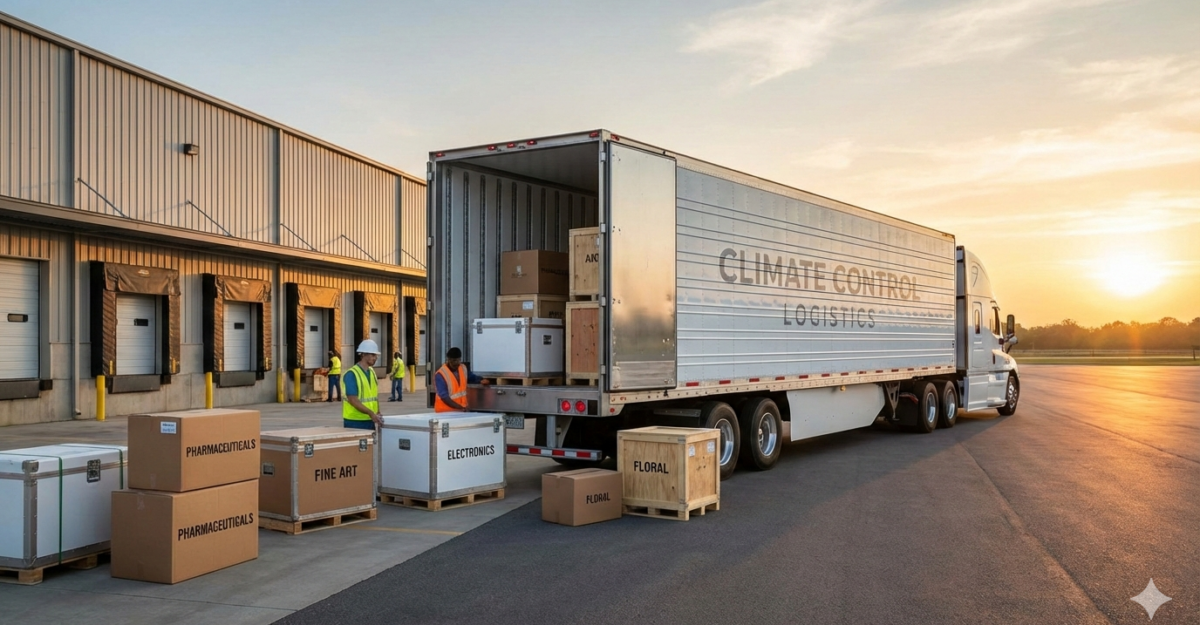
Understanding Temperature-Controlled Trucking Services USA (Beyond Food)
Temperature-controlled logistics, often referred to as “reefer” transport, is far more than simply moving chilled produce or frozen dinners across state lines; it is the fundamental infrastructure that upholds the integrity of America’s most sensitive, high-value, and critical goods. The core purpose of these specialized...
Explore More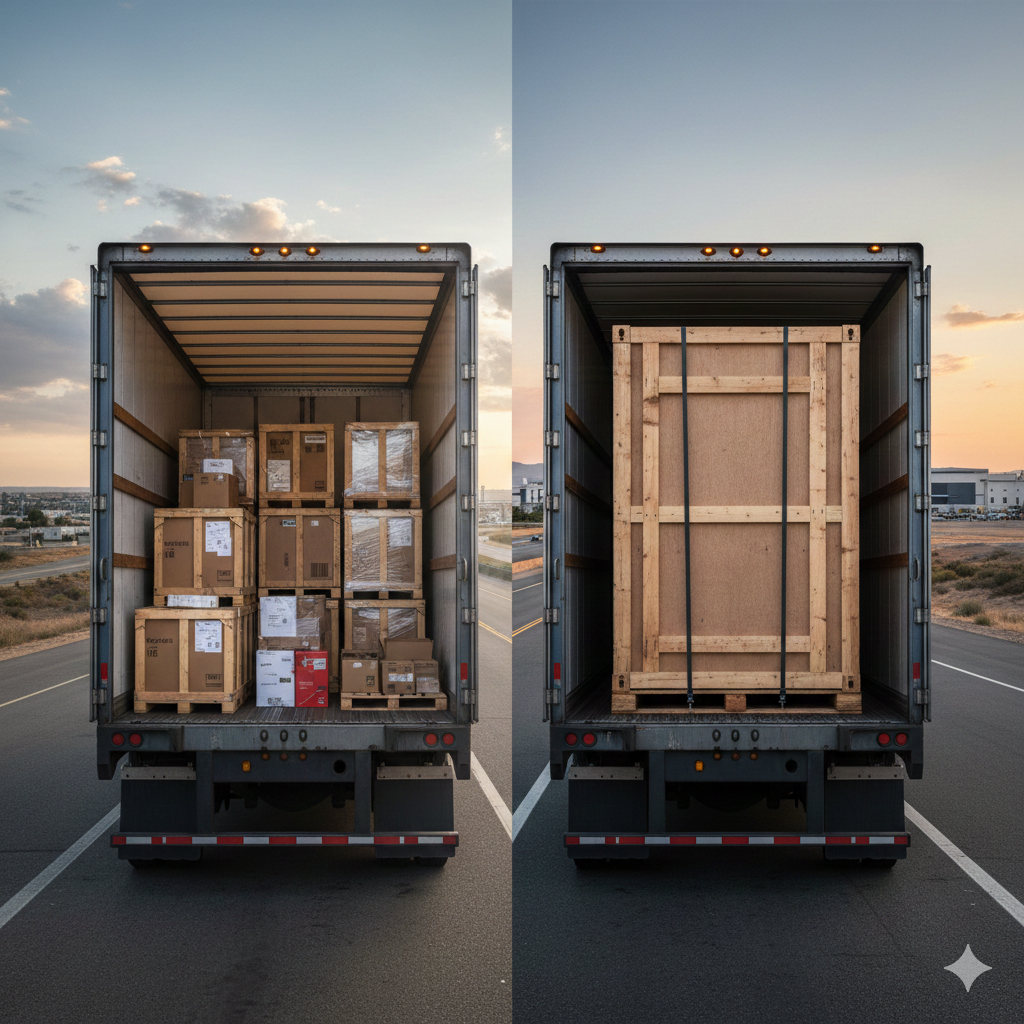
LTL vs FTL: Choosing the Best Trucking Services USA for Your Cargo
Logistics managers and business owners often face a critical decision when transporting goods across the country, as the choice between shipping methods directly impacts the bottom line and delivery speed. Selecting the right logistics strategy requires understanding the specific needs of your cargo rather than just looking...
Explore More