
What Are Accessorial Charges, and How Do You Avoid Them on Houston Deliveries?
Accessorial charges are extra fees carriers add for work beyond standard dock-to-dock transport, like liftgate delivery, detention, residential pickup, and inside delivery. Houston shippers avoid them by disclosing facility details up front and getting an all-in quote. The Invoice Surprise Every Houston Shipper Knows You...
Explore More
What Is Power-Only Trucking, and When Does It Make Sense for Houston Shippers?
Power-only trucking means the carrier supplies only the tractor and driver, while you provide the trailer. It makes sense for Houston shippers who own or lease trailers, run drop trailer programs, or need extra capacity without buying more trucks. The Setup: Your Trailer, Our Truck Houston has no shortage of trailers sitting...
Explore More
When Should You Transload Port Houston Containers Into 53-Foot Trailers?
Transload Port Houston containers into 53-foot trailers when your freight is moving inland beyond the Gulf Coast, when you want to return ocean containers quickly to avoid per-diem fees, or when three containers can consolidate into two cheaper domestic trailers. The Question That Comes Up at the Port Gates Your container...
Explore More
Should Houston Shippers Hire an Asset-Based Trucking Company or a Freight Broker?
Houston shippers moving time-sensitive, high-value, or specialized freight should hire an asset-based trucking company, because the carrier owns its trucks and controls your load from pickup to delivery. A freight broker suits occasional, flexible spot shipments. The Question Every Houston Shipper Asks Eventually If you move...
Explore More
DFW Airport Cargo Terminal Guide: Gates and Hours in Dallas/Fort Worth
DFW Airport cargo terminals span multiple gate zones, each carrier operating dedicated freight bays outside standard passenger hours. Recovery windows depend on the airline’s cargo desk, so confirming hours before dispatch prevents driver delays. First Class Trucking coordinates airport-to-airport transfers through a...
Explore More
TSA Known Shipper, IAC and CCSF: Which Certification You Need
Cargo shippers need Known Shipper status through TSA, freight forwarders require IAC (Indirect Air Carrier) certification, and airports need CCSF (Certified Cargo Screening Facility) designation. First Class Trucking, based in Hallandale Beach, Florida, operates within these TSA-regulated supply chain requirements, with each...
Explore More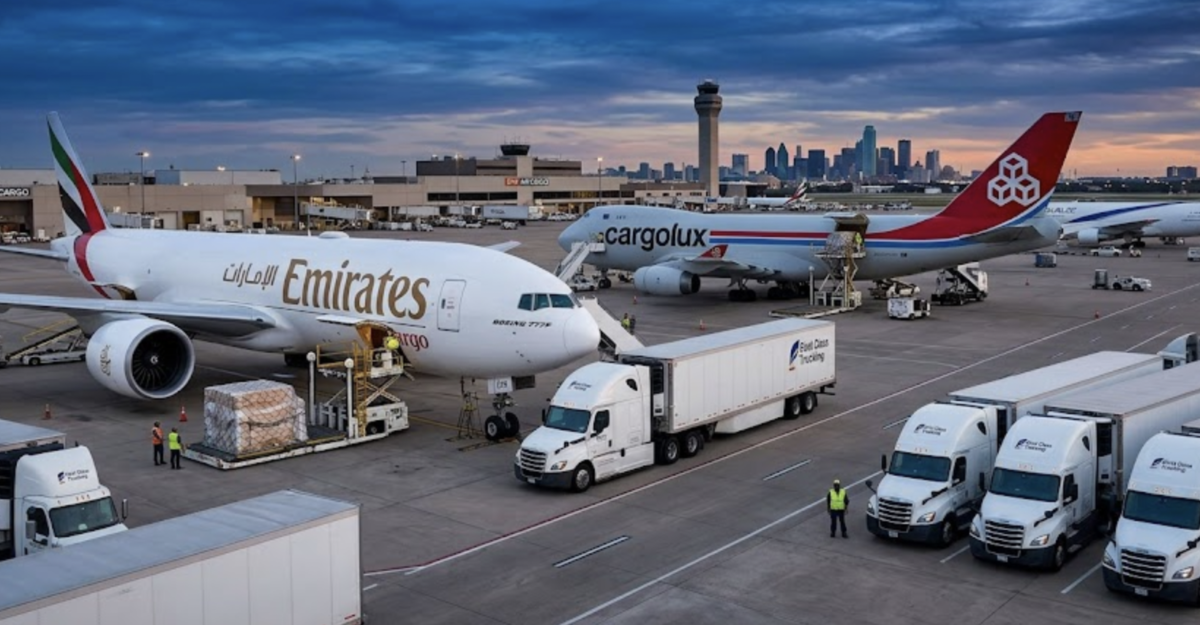
Airline Cargo Trucking: Emirates, CARGOLUX & EL AL
Airport-to-airport road feeder service connects your freight seamlessly with carriers like Emirates SkyCargo, Cargolux, and El Al, using TSA-approved drivers from a 12,000-plus network. First Class Trucking coordinates ground transfers between terminals, warehouses, and gateways, maintaining chain-of-custody compliance and...
Explore More
What Is a Bonded Carrier? In-Bond Freight Requirements
A bonded carrier moves in-bond freight past the port of entry without immediate customs release, operating under a financial security bond of pricing varies to $25,000 posted with agencies like the Canada Border Services Agency. Your shipment reaches an authorized location before duties clear, so bonded status keeps...
Explore More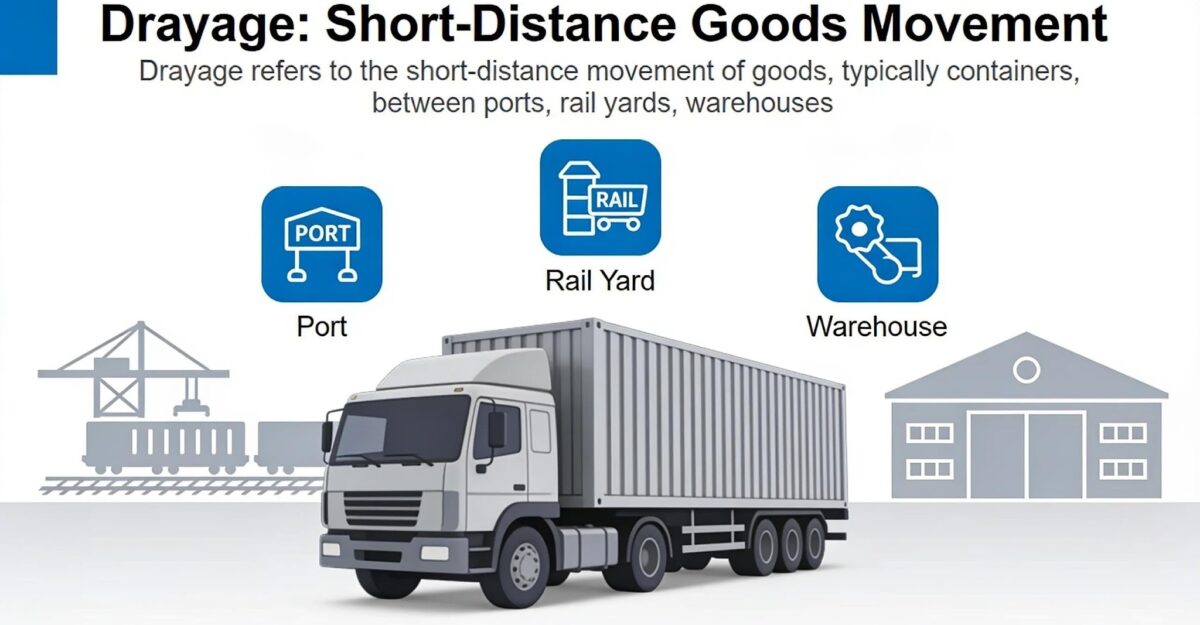
What Is Drayage in Trucking in Dallas/Fort Worth
Drayage in air freight at DFW Airport means short-haul trucking of cargo between the airport and nearby warehouses, cross-docks, or distribution centers. First Class Trucking coordinates airport pickup, cargo recovery, direct handoff, and local delivery for time-sensitive freight moving through DFW and surrounding...
Explore More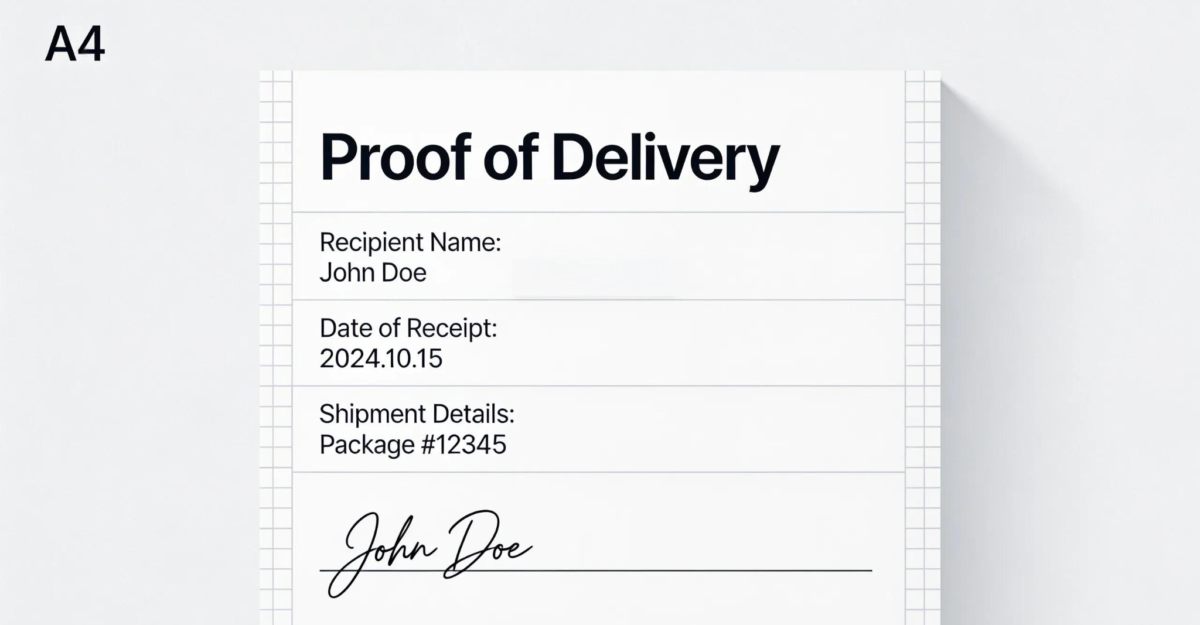
Full Truckload Shipping Documentation: Bill of Lading and Proof of Delivery Explained
Full truckload shipments require two core documents: the Bill of Lading (BOL) and Proof of Delivery (POD), both filled out, executed, and countersigned for every load. First Class Trucking’s certified logistics coordinators manage this documentation from booking through final delivery, protecting your shipment records...
Explore More